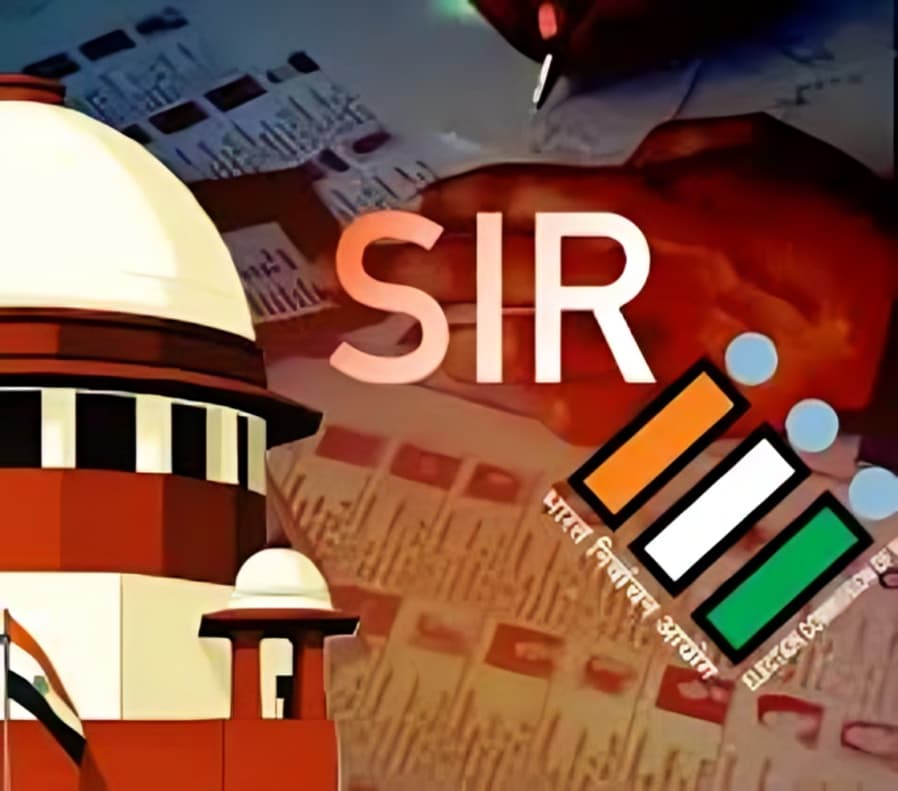
Supreme Court Refuses to Extend SIR Deadline in Kerala
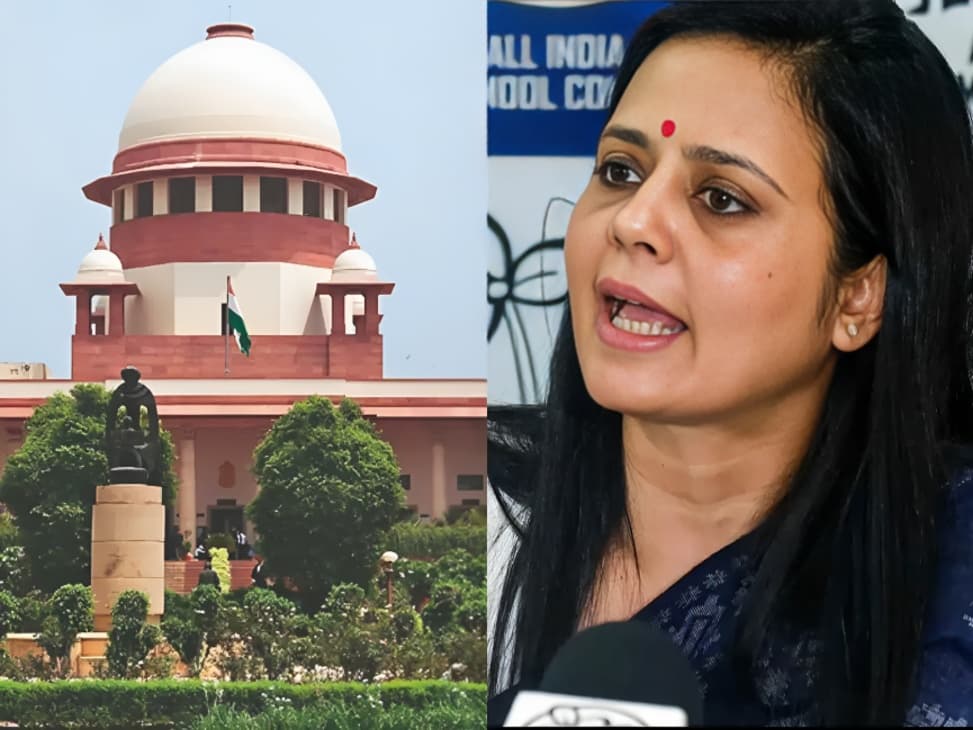
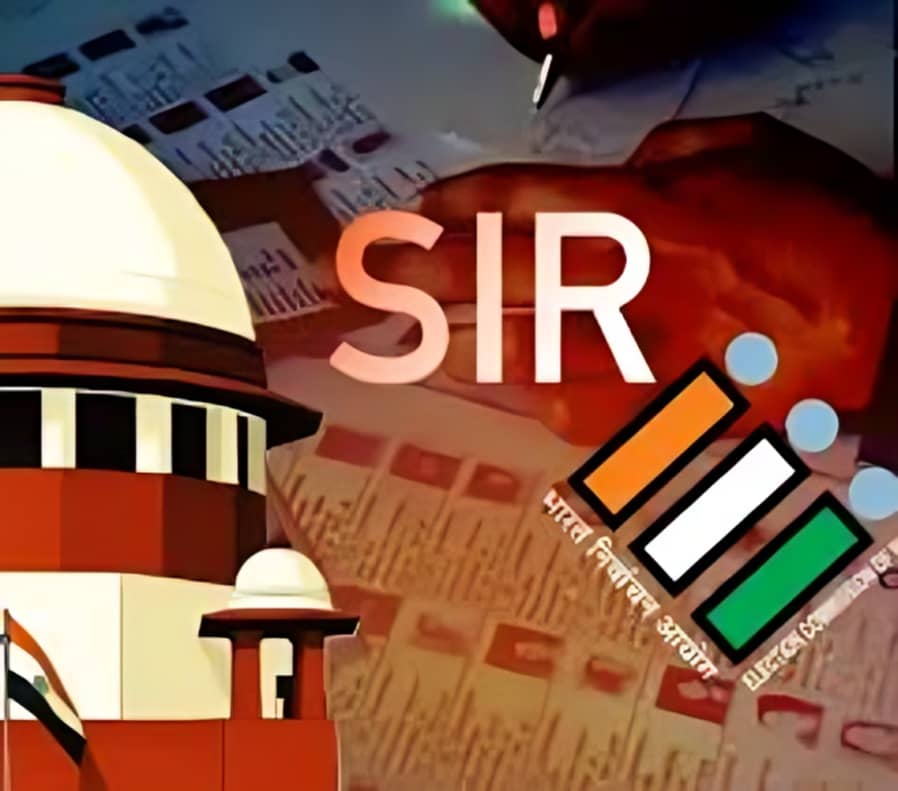
The Supreme Court has declined to extend the deadline for the Special Intensive Revision of electoral rolls in Kerala. The court observed that the process of correcting voter details and including eligible new voters is still underway. At the same time, it asked the Election Commission to examine claims of voter exclusion raised in connection with the revision exercise.
The decision comes amid concerns about the preparation and correction of electoral rolls in the state. The Special Intensive Revision, commonly known as SIR, is an exercise aimed at reviewing electoral records and ensuring that voter lists contain accurate information. Such revisions are important for maintaining reliable electoral rolls and helping eligible citizens exercise their right to vote.
Court Keeps Existing Deadline Unchanged
The Supreme Court's decision means that the requested extension of the SIR deadline in Kerala has not been granted. The court did not agree to extend the existing schedule, noting that the revision process has not yet concluded and that opportunities for correcting voter records and adding eligible voters remain available.
The decision places importance on completing the ongoing exercise within the existing timeline. It also makes clear that complaints relating to possible voter exclusion require attention from the Election Commission.
The court's observation is significant because electoral roll revision involves the rights of eligible voters as well as the responsibility of election authorities to maintain accurate records. A voter whose name is missing or whose personal details are incorrectly recorded may face difficulties when attempting to participate in an election. Therefore, the correction and verification process needs to be carried out carefully.
Election Commission Asked to Examine Voter Exclusion Claims
Along with refusing to extend the deadline, the Supreme Court asked the Election Commission to examine claims that eligible voters may have been excluded from the electoral rolls during the SIR process.
The direction highlights the importance of addressing complaints rather than treating the revision exercise only as an administrative procedure. The Election Commission is responsible for managing electoral rolls and ensuring that eligible citizens are given an opportunity to register or correct their details according to the applicable rules.
Claims of voter exclusion can arise for several reasons, including incorrect personal information, outdated records, documentation issues or errors during verification. However, the specific complaints raised in the Kerala matter and the number of voters potentially affected have not been established in the information currently available.
The Election Commission's examination of these claims will therefore be important in determining whether eligible voters have been left out and what corrective steps may be necessary.
Why Electoral Roll Revision Matters
Electoral rolls form the foundation of the voting process. They identify the citizens who are eligible to participate in elections in a particular constituency. Maintaining accurate voter lists helps election authorities organise polling and reduces the possibility of errors in voter identification.
The Special Intensive Revision is intended to review existing entries and update records where necessary. It also provides a process through which eligible citizens can seek inclusion or correction of their details, subject to the prescribed procedures.
At the same time, any revision exercise must ensure that eligible voters are not wrongly removed or prevented from registering. Accuracy, transparency and accessible complaint procedures are essential to maintaining public confidence in the electoral system.
For citizens, checking their names and personal details in the electoral rolls is an important step. If voters identify missing names or incorrect information, they should use the official procedures and channels provided by the Election Commission to submit the relevant applications or complaints.
What Happens Next
Following the Supreme Court's decision, the existing SIR deadline in Kerala remains unchanged. The Election Commission is expected to examine the claims of voter exclusion in accordance with the applicable procedures. The outcome of that examination will be important for addressing concerns about the accuracy and completeness of the electoral rolls.
The court's decision reflects two aspects of the issue. It has not granted additional time for the revision exercise, but it has also drawn attention to complaints concerning eligible voters who may have been excluded. Both the timely completion of the process and the protection of voting rights remain important considerations.
The development is likely to keep attention on the electoral roll revision process in Kerala. Voters, political parties and other stakeholders will be watching how complaints are handled and whether eligible citizens receive an opportunity to correct their records or secure inclusion in the voter list.
The Supreme Court's decision does not establish that voter exclusion has occurred in every complaint raised. Instead, the Election Commission has been asked to examine the claims. The final position will depend on the findings of the examination and the steps taken under the applicable election rules.