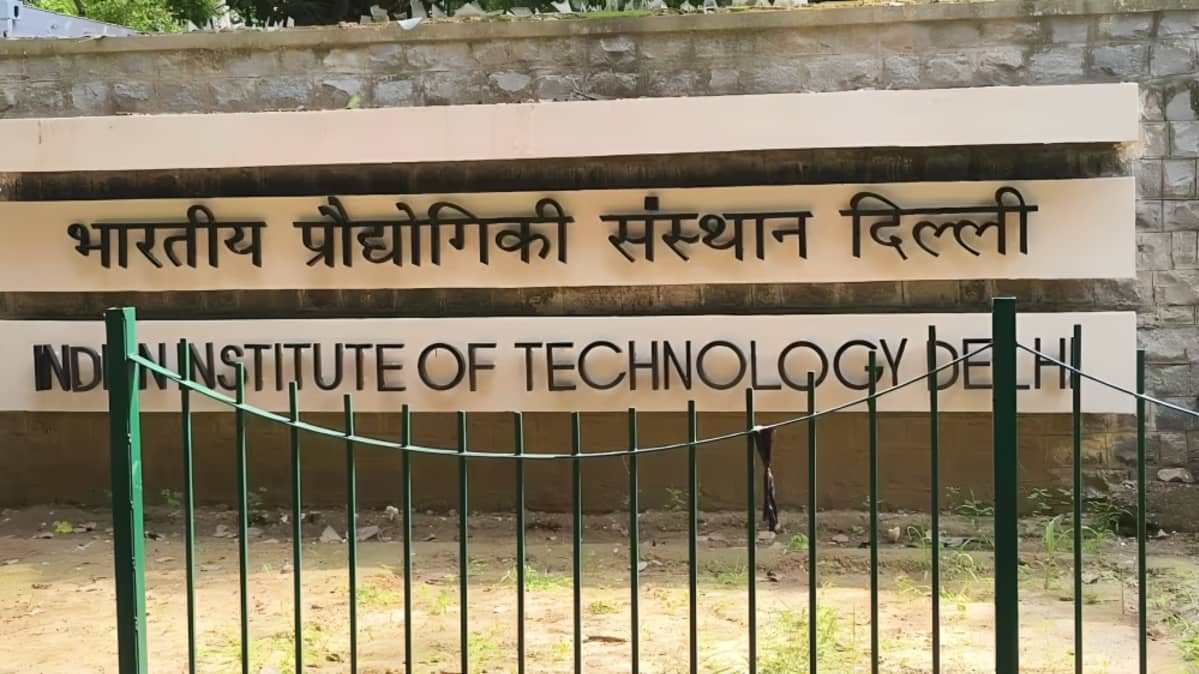
The reported death of 31 year old IIT Delhi MSc Physics student Rishikesh Kumar has triggered renewed discussion about student wellbeing and the pressures faced by young people in higher education.
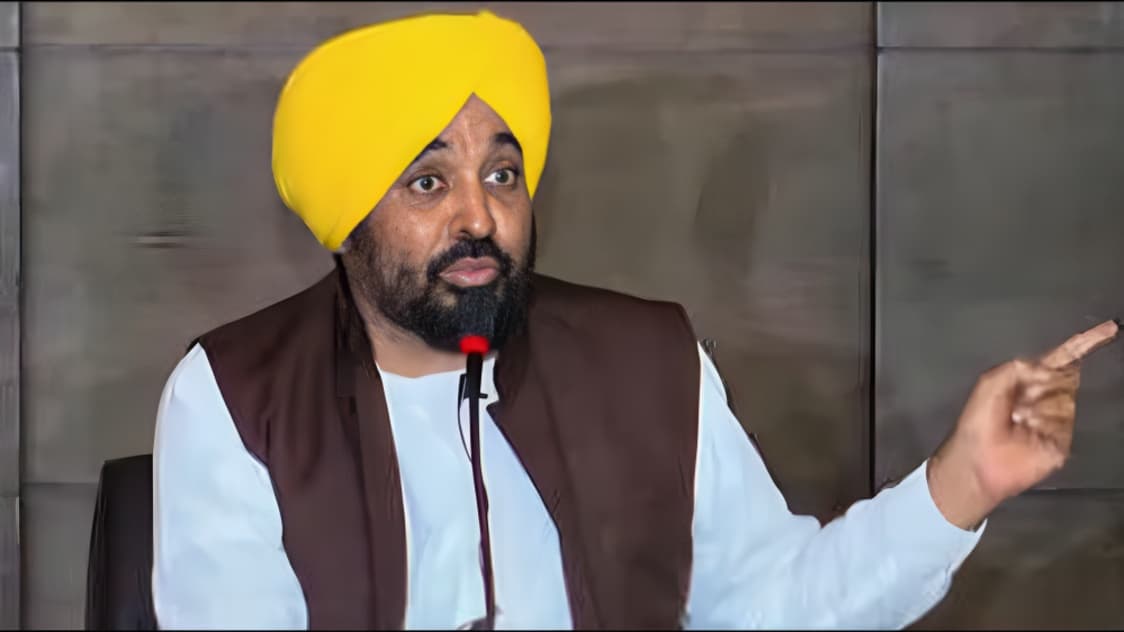
Cockroach Janata Party founder Dipke has called for a complete overhaul of India’s education system following the incident. In a post on X, he argued that educational institutions should create an environment in which students feel supported, heard and hopeful about their future.
Dipke referred specifically to the Indian Institutes of Technology, which are widely regarded as some of the country’s leading higher education institutions. He cited reported figures on student suicides at IITs and questioned whether the situation at premier institutions reflected wider challenges within the education system.
According to Dipke, if students at some of the country’s most reputed institutions are facing serious difficulties, there is a need to examine the circumstances affecting students across other educational institutions as well.
He said the education system should not focus only on academic performance, examinations and career outcomes. In his view, students also require an environment that recognises their emotional wellbeing and provides avenues through which they can seek assistance when they face difficulties.
The death of a student at a prestigious institution can bring attention to the pressures associated with higher education. Students at institutions such as IITs often face demanding academic schedules, competitive environments and expectations related to examinations, research and future employment.
However, individual circumstances surrounding a student’s death can only be established through official investigations and relevant authorities. Public statements following such incidents should therefore be distinguished from verified findings about the reasons behind an individual death.
Dipke’s comments have focused on the broader question of how educational institutions can support students. He argued that students should not feel isolated while dealing with academic, personal or other challenges.
The discussion also highlights the importance of support mechanisms within colleges and universities. Counselling services, student support offices, faculty mentoring systems and accessible grievance mechanisms can provide students with avenues to seek help when they encounter difficulties.
Educational institutions can also play an important role in creating an environment in which students feel comfortable discussing problems. Encouraging students to communicate with teachers, counsellors, friends and family can help create stronger support networks.
The issue is particularly important in highly competitive academic environments. Students who enter premier institutions often come from different social, economic and educational backgrounds. They may have different levels of preparation and different expectations about university life.
Adjusting to a demanding academic environment can sometimes be challenging. Institutions therefore need systems that identify students who may be struggling academically or personally and ensure that appropriate assistance is available.
Dipke’s comments have also drawn attention to the broader question of whether India's education system places excessive emphasis on academic achievement. Examinations, grades and placements are important aspects of education, but student wellbeing is also an important part of creating a healthy learning environment.
A complete education system, according to this view, should help students develop academic knowledge, professional skills and the ability to manage challenges. It should also provide students with access to appropriate support when they experience difficulties.
The reported IIT Delhi student death has therefore become part of a wider public discussion about student wellbeing in higher education. The conversation extends beyond one institution and raises questions about the responsibilities of educational institutions, families, policymakers and society.
The IIT system has a particularly demanding academic structure. Admission itself is highly competitive, and students are expected to meet rigorous academic requirements after entering the institutions. While many students successfully complete their programmes and build professional careers, the pressures associated with competitive education remain a subject of public discussion.
Dipke referred to reported figures involving student suicides at IITs to make his argument for reform. Such figures should be interpreted carefully because official records, definitions and reporting periods can vary. Any assessment of student deaths should rely on verified data from relevant authorities.
Nevertheless, the broader concern about student mental wellbeing has received increasing attention in India. Universities and colleges have been encouraged to strengthen counselling and support systems and to ensure that students know where they can seek assistance.
The role of faculty members is also significant. Teachers and academic mentors are often among the first people who may notice changes in a student's attendance, academic performance or behaviour. Training and institutional support can help faculty respond appropriately when students appear to be facing difficulties.
Peer support can also be valuable. Students may sometimes find it easier to speak with classmates or friends before approaching formal support services. Institutions can therefore encourage healthy student communities and ensure that peer support does not replace professional assistance when it is needed.
Another important aspect is reducing the stigma associated with seeking help. Students may hesitate to approach counsellors because they fear being judged or misunderstood. Creating confidential and accessible support systems can make it easier for students to ask for assistance.
Dipke's call for an overhaul of the education system has consequently opened a wider discussion about what students need beyond classrooms and examinations. His central argument is that educational institutions should ensure that students feel supported and that they have confidence about their future.
The issue also highlights the importance of balancing academic standards with student welfare. Maintaining high educational standards does not necessarily require institutions to overlook students' personal circumstances. Strong academic systems can coexist with effective counselling, mentoring and welfare programmes.
For policymakers, the discussion raises questions about whether existing student support mechanisms are adequate across higher education institutions. Universities and colleges differ considerably in their resources and structures, meaning that the availability of counselling and welfare services may also vary.
Experts and educational administrators have repeatedly stressed the importance of early intervention and accessible support. Students facing overwhelming academic or personal difficulties should have clear and confidential ways to seek assistance.
The reported death at IIT Delhi has once again placed these issues in the public spotlight. While the specific circumstances surrounding the student's death should be established through official processes, the incident has prompted calls for greater attention to student welfare.
Dipke has used the incident to argue that India needs to reconsider how its education system approaches student wellbeing. His comments focus on creating institutions where students are not defined solely by examination results, grades or career achievements.
The wider debate is likely to continue as educational institutions, students, parents and policymakers examine ways to make higher education more supportive and inclusive.
For students facing academic pressure or personal difficulties, access to trusted people and professional support can be important. Institutions also have a responsibility to ensure that students know about available resources and can access them without unnecessary barriers.
The central message emerging from the discussion is that academic excellence and student wellbeing should not be treated as competing priorities. A strong education system needs both rigorous learning and effective support for students.
Dipke's statement has therefore renewed attention on student welfare following the reported IIT Delhi death. His demand for a complete overhaul is a political and social call for reform, while the broader issue requires careful examination of verified data, institutional practices and the support available to students across the country.