Agri-Seed Sector Leads India’s Benefit-Sharing Contributions
India’s agri-seed sector accounted for the largest share of receipts collected under the country’s Access and Benefit Sharing framework during the first six months of the 2026–27 financial year. The National Biodiversity Authority received ₹9.68 crore from users of India’s biological resources between April 1 and September 30, 2026, according to information released by the Union Ministry of Environment, Forest and Climate Change.
The agri-seed sector contributed ₹7.16 crore, making it the largest contributor during the six-month period. Food and beverages followed with ₹1.59 crore, while animal husbandry contributed ₹62.01 lakh. Other receipts came from sectors and categories including AYUSH, Red Sanders wood, cosmetics and intellectual property rights-related applications.
The figures highlight the role of India’s benefit-sharing framework in collecting payments from entities that access biological resources for permitted activities, including commercial use and research. The mechanism is intended to connect the economic value generated from biological resources with conservation efforts and fair sharing of benefits.
What Is Access and Benefit Sharing?
Access and Benefit Sharing, commonly known as ABS, is a mechanism intended to ensure that benefits arising from the use of biological resources and associated traditional knowledge are shared fairly and equitably.
Biological resources include plants, animals, microorganisms and other forms of biological material that may be used in agriculture, food production, medicine, research and commercial development. Companies and other eligible users may rely on these resources to develop products, improve crop varieties or conduct research.
When the use of such resources generates commercial or other benefits, the ABS framework provides a system for sharing benefits in accordance with applicable laws and regulations. Depending on the activity and the applicable requirements, contributions may support conservation, sustainable use of biological resources and communities associated with them.
India’s framework operates under the Biological Diversity Act, 2002, as amended in 2023, and the relevant Access and Benefit Sharing regulations. The National Biodiversity Authority is responsible for implementing key aspects of the framework at the national level.
Agri-Seed Sector Contributes ₹7.16 Crore
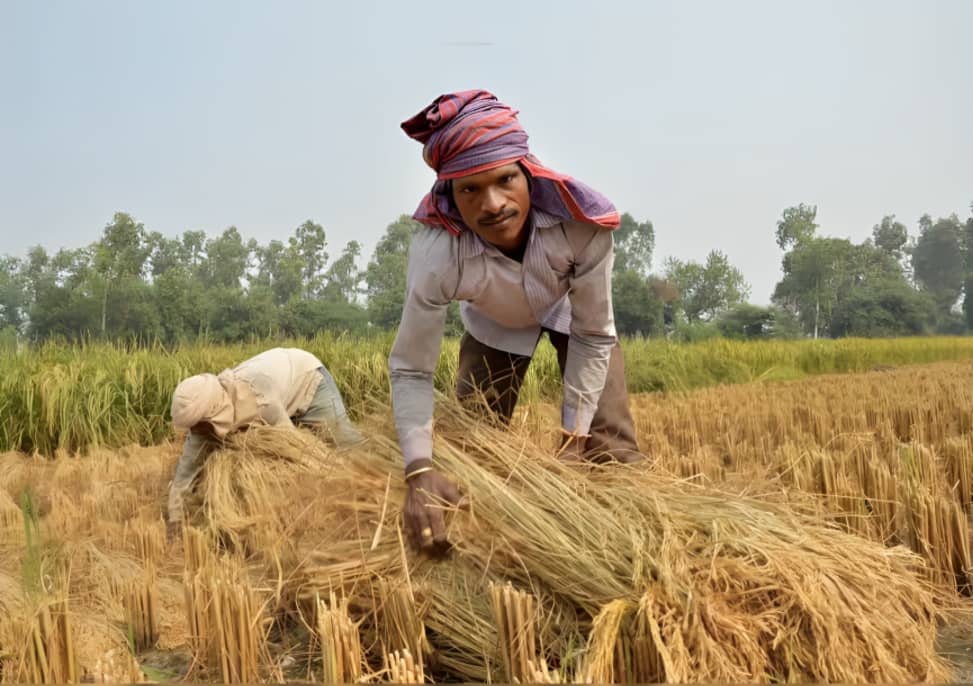
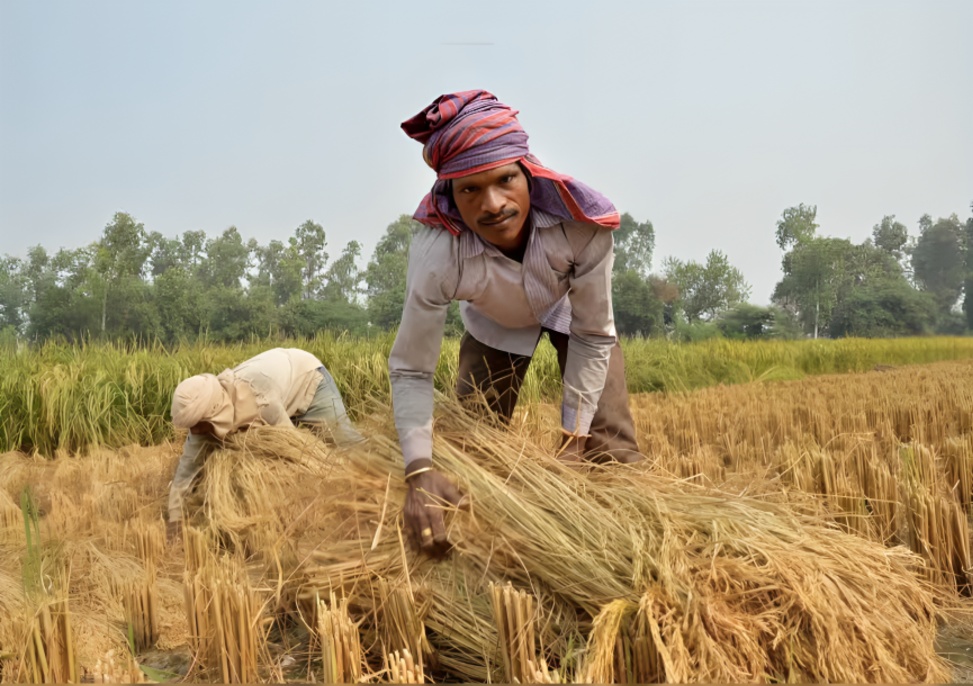
The agri-seed sector generated ₹7.16 crore in receipts during April–September 2026. This was substantially higher than the contributions recorded from the other listed sectors during the same period.
Agricultural research and seed development can involve the use of biological resources from a wide range of crops. These resources may be used in research, breeding and commercial activities, subject to the applicable legal requirements.
The biological resources associated with agricultural activities include crops such as chickpea, red lentil, green gram, horse gram, flaxseed, guar gum, tapioca, buckwheat, rice, cauliflower, okra, chilli, brinjal and ridge gourd. Such resources are important to agricultural diversity and may have value for research, crop improvement and commercial development.
The collection of benefit-sharing payments is one way the framework seeks to connect the use of these resources with broader biodiversity objectives. However, the total amount collected does not by itself measure the full economic value of the resources or the impact of conservation activities.
Contributions from Other Sectors
Food and beverages was the second-largest contributor during the period, with receipts of ₹1.59 crore. Animal husbandry accounted for ₹62.01 lakh.
Other categories listed by the government included AYUSH, Red Sanders wood and cosmetics. The official sector-wise figures recorded ₹21 lakh from AYUSH, ₹6 lakh from Red Sanders wood and ₹4 lakh from cosmetics, with amounts rounded to two decimal places in crore terms.
The biological resources covered by the wider framework extend beyond agricultural crops. They can include medicinal plants such as Ashwagandha, Shatavari, Kalmegh, Vasaka, Licorice, Arjuna, Bacopa and Moringa. Soil microorganisms, including Azospirillum, Azotobacter, Bacillus, Rhizobium, Trichoderma and Metarhizium, are also relevant to research and commercial applications.
Livestock-related resources include genetic material associated with Mithun, Jersey cattle and Murrah buffalo. These examples demonstrate the range of biological materials that may have scientific, agricultural or commercial relevance.
The government’s reported total of ₹9.68 crore includes receipts from the different listed categories. Of this, ₹9.56 crore was recorded towards access to biological resources from various sectors. Receipts classified under intellectual property rights-related applications amounted to ₹11.24 lakh.
Contributions from Indian and International Entities
The National Biodiversity Authority received contributions from domestic and international entities during the six-month period. Reports identified entities from Sri Lanka, Germany, France, the Republic of Korea and Bhutan among those making payments.
International participation reflects the cross-border relevance of biological resources and the need for rules governing access to resources and the sharing of resulting benefits. The framework is designed to help ensure that the use of biological resources follows applicable legal requirements and that benefits are shared fairly.
The exact obligations applicable to a company or research organisation depend on the nature of its activities, the resources involved and the relevant provisions of Indian law. Not every use of a biological resource necessarily attracts the same requirements or payment structure.
How the Funds Support Biodiversity Conservation
The ABS framework is intended to do more than collect payments. The funds can support biodiversity conservation, sustainable use of biological resources, research and documentation, and benefits for local communities and other eligible claimants.
According to information reported by the Union environment ministry, the National Biodiversity Authority has realised around ₹278 crore through the mechanism since 2008 and distributed more than ₹200 crore towards biodiversity conservation and benefits for communities, farmers, institutions and other beneficiaries across the country.
Funds channelled through State Biodiversity Boards and Union Territory Biodiversity Councils can support the preparation and updating of People’s Biodiversity Registers, strengthen Biodiversity Management Committees, and assist biodiversity research and documentation. They may also contribute to conservation programmes and livelihood opportunities linked to natural resources.
The effective use of these funds is important because communities often play a significant role in protecting local ecosystems and preserving knowledge about biological resources. Benefit-sharing arrangements seek to recognise that role while encouraging sustainable use.
Importance for India’s Biodiversity Policy
India’s ABS framework forms part of the country’s wider biodiversity governance system and is linked to international commitments on the fair and equitable sharing of benefits arising from genetic resources and associated traditional knowledge.
Its objectives are relevant to food security, sustainable agriculture, responsible production, biodiversity protection and livelihood development. For the agricultural sector, maintaining biological diversity can help preserve resources that are important for research and the development of crop varieties suited to changing conditions.
The latest six-month figures show that the agri-seed sector was the largest contributor to ABS receipts between April and September 2026. They also illustrate how the mechanism collects payments from several sectors that use biological resources.
The longer-term effectiveness of the framework will depend not only on the amount collected but also on transparent administration, appropriate distribution of benefits and measurable outcomes for conservation and communities.
The government’s latest figures therefore offer a snapshot of the financial activity recorded under the ABS framework during the first half of the current financial year. The central policy objective remains ensuring that the use of biological resources is governed responsibly and that the resulting benefits are shared fairly.