Shashi Tharoor Repeats Rahul Gandhi’s Slogan Ahead of Opposition March
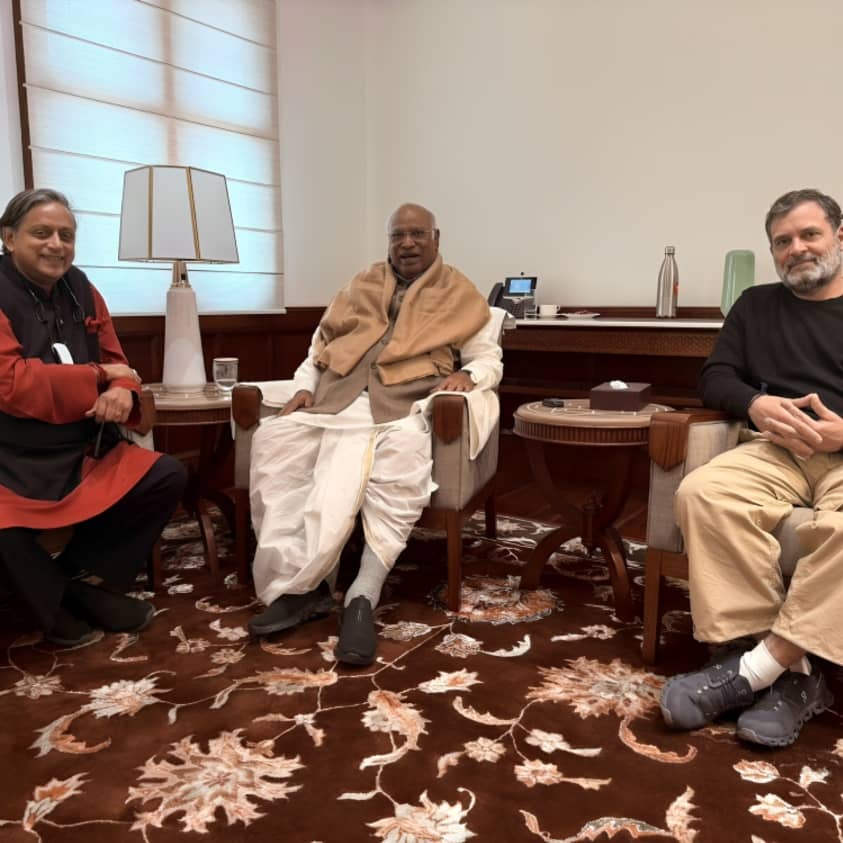
Senior Congress leader and Thiruvananthapuram MP Shashi Tharoor reiterated the opposition slogan “This government will go” on October 12, 2026, ahead of a planned Congress-led march to the Supreme Court in New Delhi. His statement came amid continuing political tensions over the functioning of the Election Commission of India and allegations concerning the revision of electoral rolls.
Tharoor shared the same slogan previously posted by Congress leader Rahul Gandhi on October 10. The message reflects the opposition’s broader criticism of the Narendra Modi-led Union government and its handling of the controversy involving Chief Election Commissioner Gyanesh Kumar.
The planned march is part of the opposition’s campaign to raise concerns about electoral transparency, the treatment of voters during electoral roll revisions and the role of the Chief Election Commissioner. Opposition parties have demanded Gyanesh Kumar’s resignation, alleging irregularities in the Special Intensive Revision process.
Tharoor Shares Rahul Gandhi’s Message
Tharoor’s post repeated the words “This government will go”, a political slogan used by Rahul Gandhi amid the opposition’s campaign against the Centre. The post was shared as Congress and other opposition leaders prepared to highlight their concerns through a march towards the Supreme Court.
The slogan represents the opposition’s political position and criticism of the current Union government. It should be understood as a political statement rather than a confirmed prediction about the government’s future.
Tharoor, a senior Congress parliamentarian from Kerala, has remained a prominent voice in national political discussions. His latest message came at a time when opposition parties were seeking greater scrutiny of the Election Commission’s handling of electoral roll revisions.
The Congress-led opposition has argued that the controversy raises questions about voter rights and institutional accountability. The government and the Election Commission have their own positions on the electoral process, and allegations of wrongdoing require assessment based on evidence and relevant official procedures.
Dispute Over Chief Election Commissioner Gyanesh Kumar
Chief Election Commissioner Gyanesh Kumar has become a central figure in the political dispute surrounding the Special Intensive Revision of electoral rolls. Opposition parties have questioned the process and alleged that eligible voters could be wrongly excluded from voter lists.
The Special Intensive Revision, commonly known as SIR, is intended to review and update electoral rolls. The revision process has generated political debate over how voters’ eligibility is verified, how names are added or removed and what safeguards are available to people who believe their names have been deleted incorrectly.
Opposition leaders have argued that the process must be transparent and that eligible citizens should not lose their voting rights because of administrative errors. They have called for corrective action and demanded the Chief Election Commissioner’s resignation.
These claims remain allegations advanced by political parties and should not automatically be treated as established findings. The Election Commission is responsible for administering electoral processes, while complaints about individual entries must be assessed through the applicable verification and correction procedures.
Congress-Led March to the Supreme Court
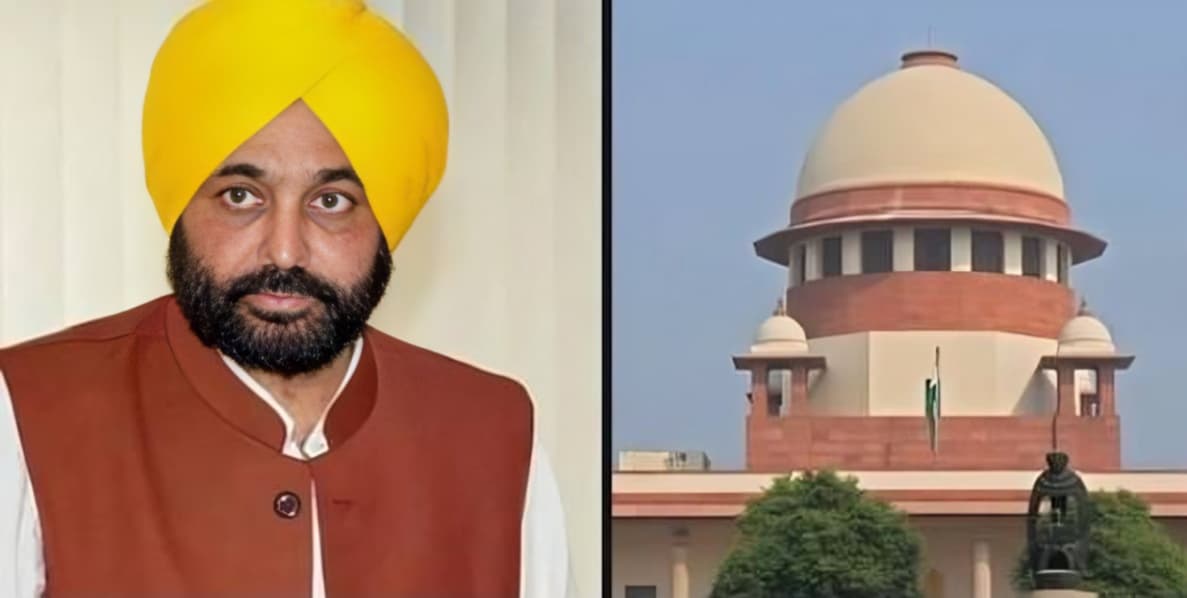
The planned march to the Supreme Court forms part of the opposition’s efforts to bring its concerns about electoral administration into public and institutional discussion. Opposition leaders have sought to submit their concerns regarding alleged electoral irregularities and the role of the Chief Election Commissioner.
The march follows earlier demonstrations and political statements over the same issues. The opposition has maintained that electoral institutions must operate transparently and that complaints involving voter registration should receive appropriate attention.
However, a political march or memorandum does not itself establish that electoral irregularities occurred. Any legal questions requiring judicial intervention must be addressed through the relevant court procedures.
The Supreme Court’s role is distinct from that of political parties and the Election Commission. Allegations presented by opposition leaders would need to be considered in accordance with applicable law and the evidence placed before the court.
Cockroach Janta Party Protest Also Draws Attention
The political controversy has also involved the youth-led Cockroach Janta Party (CJP), which announced a protest at Delhi’s Jantar Mantar on October 10. The group called for action against Chief Election Commissioner Gyanesh Kumar and raised concerns about the electoral process.
Media reports said the planned demonstration was significantly curtailed after authorities introduced extensive security measures and detained protest organisers and participants. Reuters reported that more than 2,000 people were detained during the wider security operation on October 10, although the circumstances and legal status of individual detentions may differ.
The Delhi Police had denied permission for the CJP’s planned gathering, citing law-and-order and procedural concerns, according to reports. The restrictions became part of a wider debate about public demonstrations, security measures and the right to peaceful assembly.
The CJP’s protest and the Congress-led opposition’s march are separate political actions, although both have focused attention on Gyanesh Kumar and electoral roll revisions. The organisations involved have different leadership and approaches, and their demands should be reported separately.
Electoral Transparency Remains a Political Issue
The controversy over electoral roll revisions has intensified discussions about voter registration, institutional accountability and public confidence in elections. Electoral rolls are essential to the democratic process because eligible citizens must be correctly registered to exercise their voting rights.
Political parties have a legitimate role in raising concerns about the electoral process. At the same time, claims about wrongful deletions or deliberate irregularities require careful verification, and voters should be able to use official procedures to check their registration status and seek corrections where necessary.
The Election Commission’s procedures, responses to complaints and any relevant judicial findings will be important in determining the outcome of the dispute. Public statements by political leaders reflect their positions but do not replace official findings.
Tharoor’s latest message highlights the opposition’s continuing campaign against the Union government as the debate over electoral administration develops. The planned march, the demand for Gyanesh Kumar’s resignation and the CJP’s earlier protest have all drawn attention to the dispute.
Further developments will depend on the outcome of the opposition’s planned actions, any official response from the Election Commission and the progress of relevant legal or administrative proceedings. Readers should follow verified updates for confirmation of the march’s outcome and any subsequent decisions.