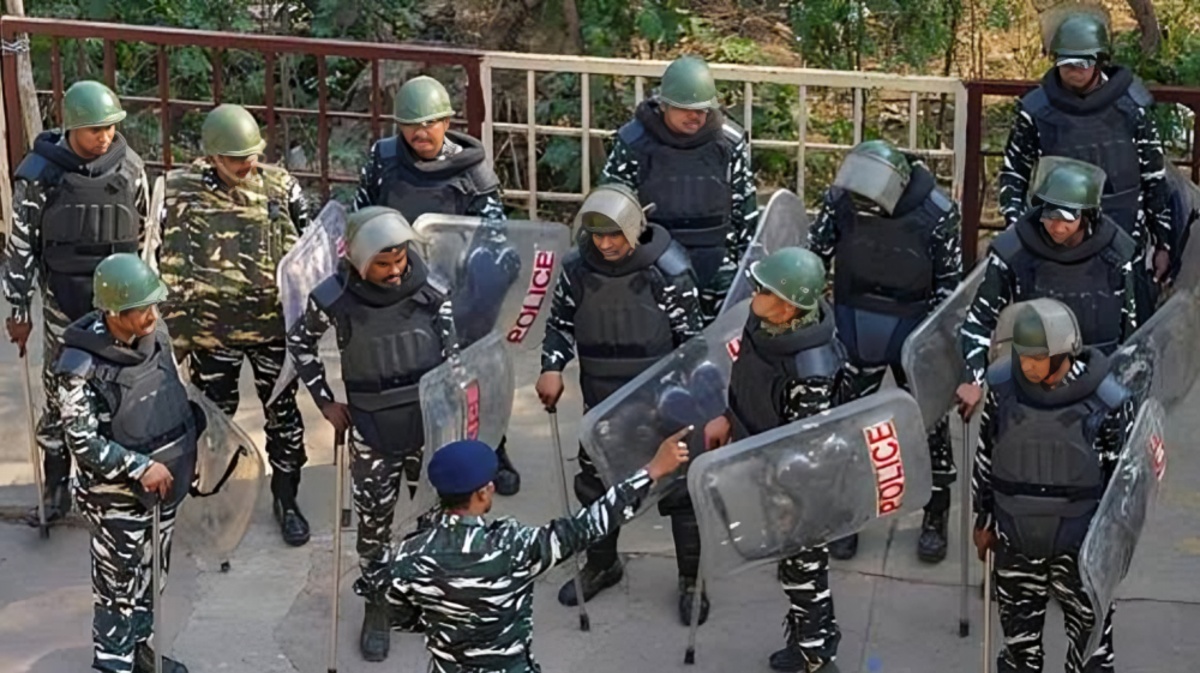
Security arrangements were intensified across central Delhi on October 6 as Opposition leaders from the INDIA bloc prepared for a march from Parliament towards the Election Commission of India headquarters. The proposed demonstration is part of the Opposition's continuing campaign over alleged irregularities in the Special Intensive Revision of electoral rolls and its demand for the removal of Chief Election Commissioner Gyanesh Kumar.
The march was scheduled to begin from Makar Dwar near Parliament and proceed towards Nirvachan Sadan, the headquarters of the Election Commission. With the demonstration expected to draw several Opposition leaders and supporters, Delhi Police and Central Armed Police Forces were deployed at multiple locations across New Delhi.
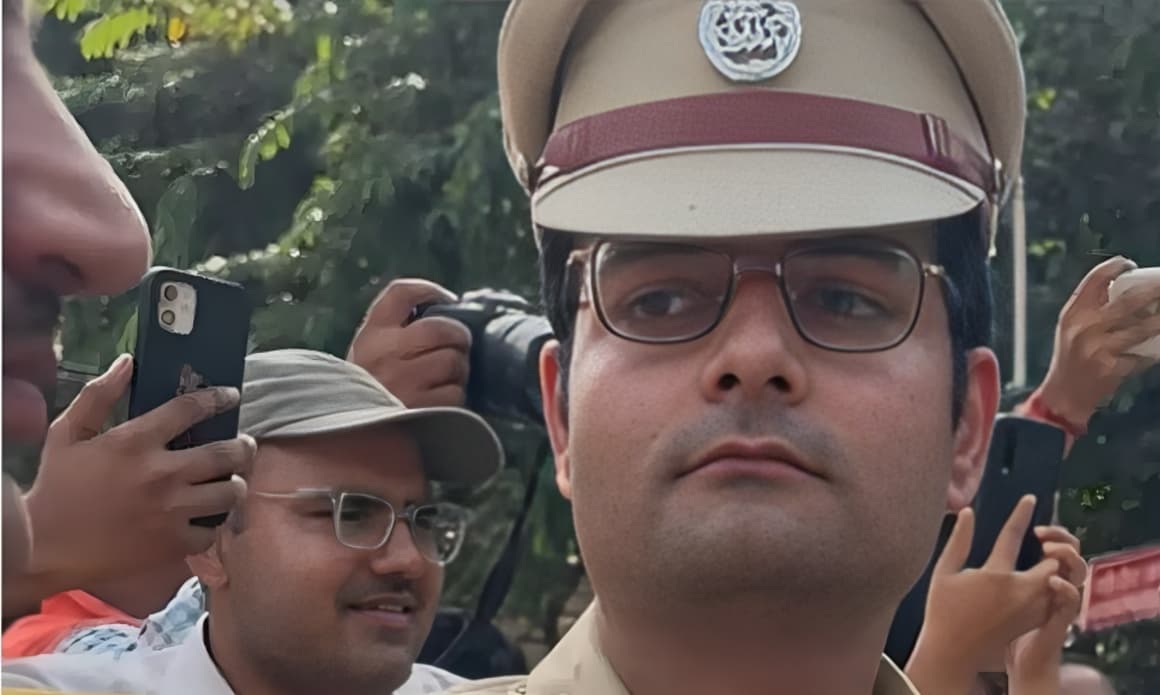
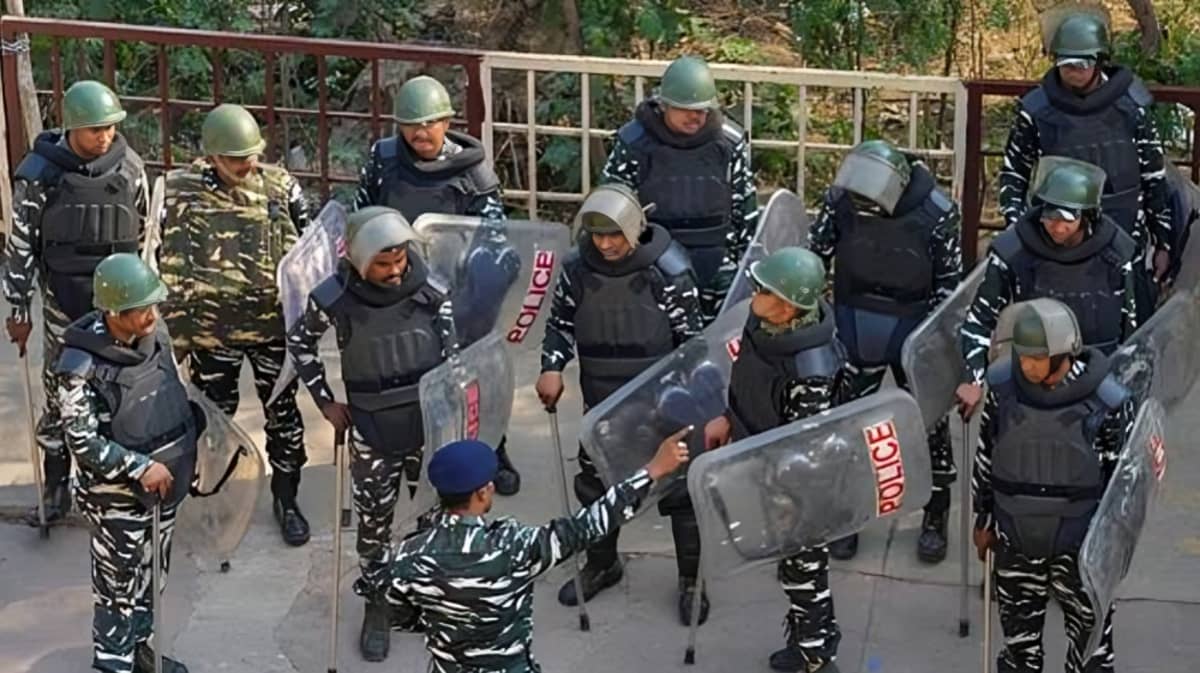
According to reports, around 4,000 personnel from the Delhi Police and Central Armed Police Forces were deployed as part of the security arrangements. Multiple layers of barricades were installed around sensitive points, including Vijay Chowk, Parliament and roads leading towards the Election Commission headquarters. Rapid Action Force personnel were also deployed around key locations such as Akashvani.
The security measures are intended to prevent protesters from entering restricted areas and to maintain public order during the march. Reports from the area indicated that security personnel were positioned behind barricades at several points, while movement towards the ECI headquarters was being closely monitored.
Delhi Police have also made arrangements for crowd-control situations. The Indian Express reported that paramilitary personnel deployed during the ongoing protests have been seen carrying tear-gas shells, while police personnel have been stationed at several points in central Delhi. The security response has been shaped by demonstrations and attempted marches in the area over the past several days.
The security operation has also resulted in traffic restrictions across several parts of central Delhi. Traffic was expected to be regulated or diverted around Connaught Place, Patel Chowk, Parliament Street, the Patel Chowk to GPO stretch, Ashoka Road, Jantar Mantar Road and adjoining areas. Commuters were advised to avoid unnecessary travel through the affected areas during the protest period.
The INDIA bloc's protest is focused on the Election Commission's Special Intensive Revision exercise. Opposition parties have alleged discrepancies and a lack of transparency in the revision of electoral rolls. They have also demanded the removal of Chief Election Commissioner Gyanesh Kumar.
The Election Commission and the government have faced criticism from Opposition parties over the electoral roll revision process. The Opposition has argued that changes to the electoral rolls need greater transparency and has sought clarification on several aspects of the exercise.
The march also comes amid a wider political campaign by Opposition parties. The INDIA bloc announced a coordinated programme of protests following a meeting in New Delhi on September 30. The campaign includes district-level marches, meetings and other political programmes focused on electoral issues.
The Supreme Court's recent observations concerning Form 6 have also added to the political debate. Form 6 is used for the inclusion of eligible voters in electoral rolls. During proceedings related to the Special Intensive Revision, the court said it would examine questions concerning modifications to the form when relevant records are produced. The court also declined to grant an immediate request seeking the suspension of the Chief Election Commissioner while issuing notices to the concerned authorities.
The protests in Delhi have been taking place against the backdrop of several demonstrations over the Election Commission and the electoral roll revision process. Earlier protests in central Delhi resulted in detentions and the registration of police cases after attempts were made to move towards restricted areas.
The Indian Express reported that the police had registered FIRs in connection with an earlier anti-CEC protest attempt at Jantar Mantar. Police had denied permission for that demonstration and imposed prohibitory orders in the New Delhi district. Additional personnel and barricades were deployed to prevent protesters from entering restricted areas.
The latest security arrangements therefore reflect both the importance of the proposed Opposition march and the recent pattern of demonstrations in central Delhi. Police officials have been tasked with managing crowds, protecting restricted government areas and maintaining traffic movement while allowing security personnel to respond if protesters attempt to cross barricades.
The use of multiple barricade layers is intended to create separation between protesters and restricted areas. Security forces are also maintaining positions at major roads and junctions to control the movement of crowds. The presence of Rapid Action Force personnel provides additional support for crowd management if required.
The protest has attracted significant national political attention because the Opposition's demands are directly linked to the functioning of the Election Commission and the integrity of electoral rolls. INDIA bloc parties say their campaign is intended to highlight concerns over the electoral process and demand accountability from the poll panel.
At the same time, the Election Commission's position and the legal proceedings surrounding the electoral roll revision remain important parts of the wider issue. Allegations made by political parties should not be treated as established facts unless supported by official findings or judicial conclusions.
The October 6 march is therefore being closely watched both politically and administratively. For the Opposition, the demonstration is an opportunity to intensify its campaign over electoral roll revision and its demand concerning the Chief Election Commissioner. For Delhi Police, the immediate priority is maintaining public order, managing crowds and ensuring that restricted areas remain secure.
The heavy security presence, multiple barricade layers, traffic restrictions and deployment of specialised crowd-control personnel are expected to affect movement in central Delhi during the demonstration. Commuters and residents in areas surrounding Parliament, Vijay Chowk, Patel Chowk, Jantar Mantar and the Election Commission headquarters may face diversions or delays.
The developments surrounding the INDIA bloc march are likely to remain a major political story as Opposition leaders continue their campaign over electoral roll revision and the Election Commission. The day's events, including the police response, participation of Opposition leaders and any further detentions or restrictions, will determine the immediate political impact of the demonstration.