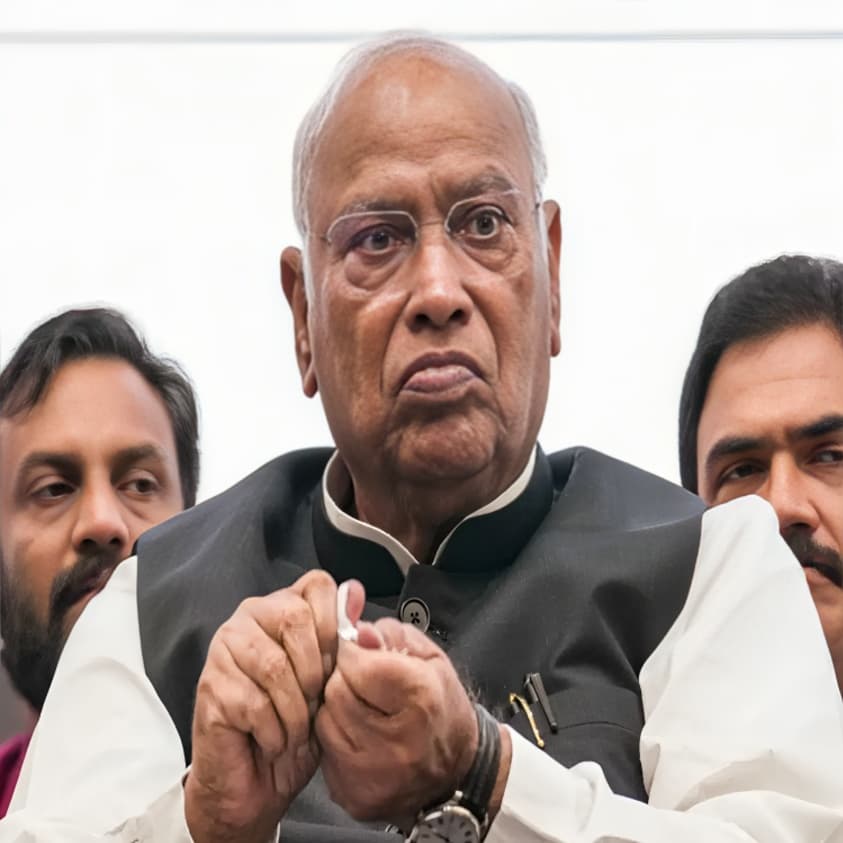
Kharge Accuses Modi Government of Protecting CEC, Outlines INDIA Bloc’s Three Demands
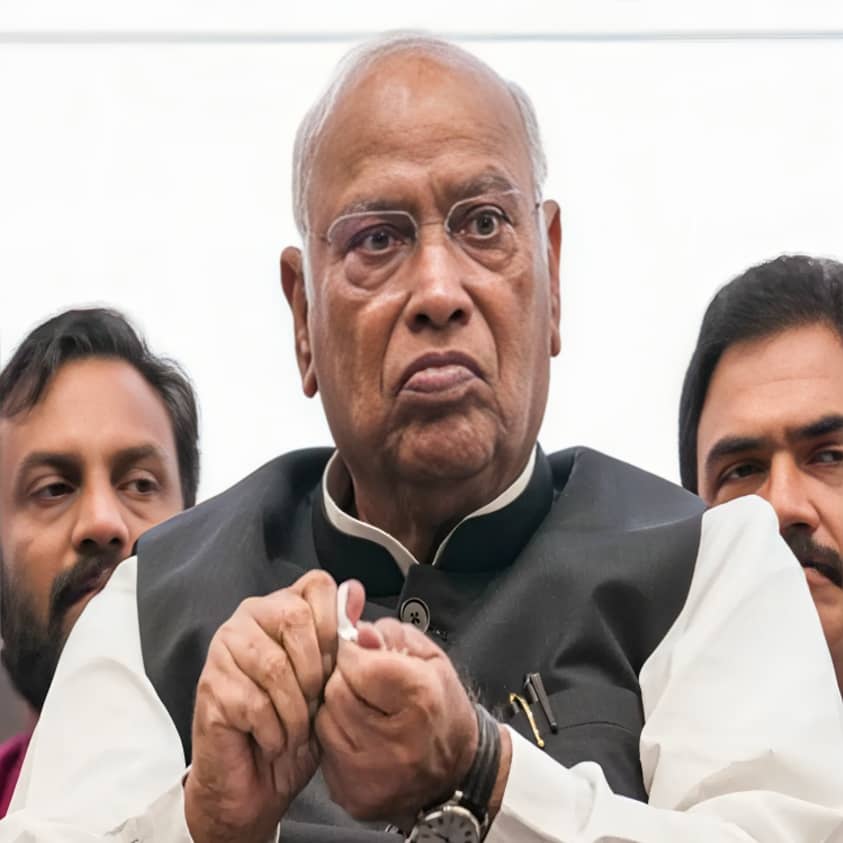
Congress president Mallikarjun Kharge has accused the Narendra Modi-led government of protecting Chief Election Commissioner Gyanesh Kumar amid allegations of irregularities in electoral rolls. On October 26, 2026, Kharge reiterated the opposition INDIA bloc’s demands for changes to the election administration process, a halt to the Special Intensive Revision of electoral rolls and the restoration of voters’ names allegedly removed unlawfully.
In a statement posted on social media, Kharge questioned the Election Commission of India’s refusal to disclose information about software used during the voter roll revision exercise, reportedly citing trade secrets in response to a Right to Information request. He argued that greater transparency was necessary to address concerns about electoral procedures.
Kharge also appealed to citizens to participate in the INDIA bloc’s planned “Save Votes, Save the Nation” march and public rally at Ramlila Maidan in New Delhi on November 1.
Kharge Raises Questions About Electoral Roll Revision
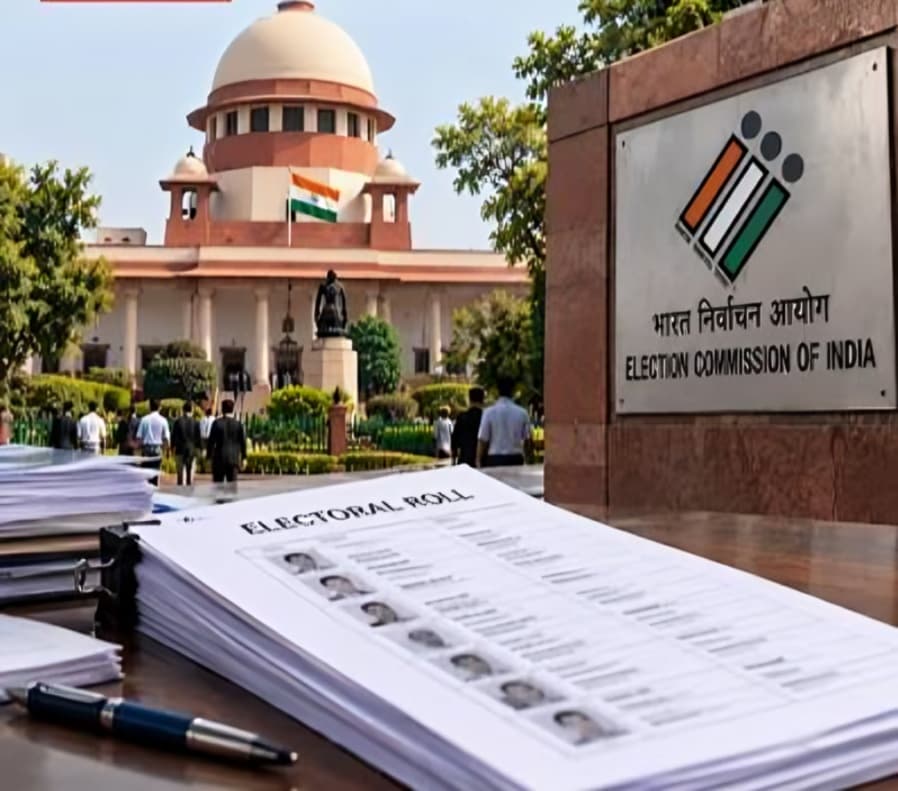
The controversy centres on the Special Intensive Revision, commonly known as SIR, through which electoral rolls are reviewed and updated. The process is intended to help maintain accurate voter lists by checking registrations, identifying duplicate or ineligible entries and updating information where necessary.
Kharge alleged that the process had raised serious questions about transparency and the possible exclusion of eligible voters. He criticised the Election Commission’s reported decision not to disclose certain information about the software used during SIR, arguing that the public should have access to information necessary to assess how voter records are handled.
The Congress leader also referred to claims involving voter registration applications in Uttar Pradesh. He said details of 16.18 lakh Form 6 applications had not been made public and alleged that irregularities had been identified in records relating to 10,470 voters in Pilibhit.
Kharge further stated that an investigation into Forms 6, 7 and 8 had been ordered across Uttar Pradesh. Form 6 is used to apply for inclusion in electoral rolls, Form 7 is used for objections to or deletion of entries, and Form 8 is used for corrections and updates to voter details.
These figures and allegations reflect Kharge’s statements and should not be treated as findings that electoral fraud has been conclusively established. The Election Commission’s response and the outcome of any investigations are important to assessing the claims.
INDIA Bloc’s Three Main Demands
Kharge outlined three principal demands on behalf of the INDIA opposition alliance.
The first is the resignation of Chief Election Commissioner Gyanesh Kumar and repeal of the 2023 law that governs the appointment of the Chief Election Commissioner and other Election Commissioners and provides specified legal protections. Kharge argued that changes are necessary to strengthen accountability and address concerns about the Election Commission’s independence.
The second demand is an immediate halt to the Special Intensive Revision process, along with restoration of the names of eligible voters who, according to the opposition, have been removed unlawfully. The INDIA bloc has called for safeguards to ensure that legitimate voters are not excluded because of administrative errors, documentation issues or problems during address verification.
The third demand is that elections be conducted using paper ballots instead of electronic voting machines. This position forms part of the opposition alliance’s wider call for changes to election procedures and greater confidence in the voting process.
These are political demands advanced by the INDIA bloc. They have not, by themselves, changed the existing election laws or the Election Commission’s procedures.
Dispute Over Software Transparency
The disclosure of information about the software used in SIR has emerged as another point of contention. Kharge said the Election Commission had declined to provide information in response to an RTI request, citing trade secrets.
The Congress has argued that information about the technology used to manage electoral rolls should be sufficiently transparent to allow scrutiny of the process. The party has alleged that a lack of disclosure makes it difficult to evaluate how voter details are processed and whether safeguards against errors are adequate.
The dispute also raises broader questions about how digital systems used in public administration should be scrutinised while protecting legitimate confidential or proprietary information. The legal basis for withholding the requested information and the precise scope of the request are relevant to determining the issue.
The allegations concerning software and voter records remain contested. They should be distinguished from any independently verified findings by election authorities, courts or other competent bodies.
November 1 Rally Planned in Delhi
Kharge urged citizens to attend the INDIA bloc’s “Save Votes, Save the Nation” march and rally scheduled for November 1 at Ramlila Maidan in New Delhi. The gathering is intended to bring attention to the opposition’s concerns about voter registration, election administration and the functioning of the Election Commission.
The proposed event is part of the alliance’s broader campaign seeking changes to electoral procedures and greater accountability from election authorities. Opposition leaders are expected to use the gathering to communicate their demands and mobilise support.
The rally has also drawn concerns from Delhi’s trading community, which has requested that the event be postponed until after the festive shopping period. Traders have cited possible traffic restrictions and disruption to markets. Kharge has said their concerns would be considered, but the rally’s final schedule should be checked against the latest official announcement.
Election Commission Under Political Scrutiny
The Election Commission of India is responsible for administering elections and maintaining electoral rolls. Its decisions and procedures are subject to legal scrutiny and public debate, particularly when political parties raise concerns about voter registration or the transparency of election-related technology.
The opposition’s criticism has intensified amid disputes over SIR and the handling of voter records in several states. The BJP and the Election Commission’s responses are relevant to a complete assessment of the claims, and allegations should not be reported as established facts without supporting evidence.
Kharge’s latest statement has brought the INDIA bloc’s demands into focus ahead of the planned Delhi rally. The central issues include the Election Commission’s accountability, access to information about voter roll software, safeguards against wrongful voter exclusion and the use of paper ballots.
As of October 26, 2026, the three demands remain the INDIA bloc’s stated political position. Any changes to election laws, the revision exercise or voting procedures would depend on decisions by the relevant authorities and the legal process.