
Odisha Challenges Andhra Pradesh Over Kotia Panchayat Elections in Supreme Court
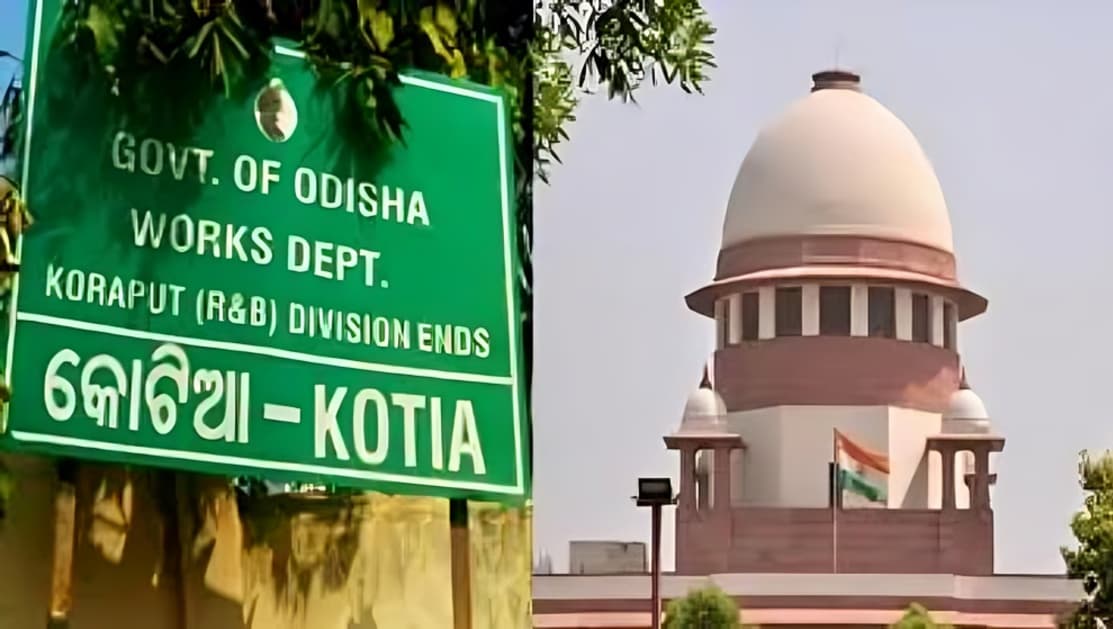
The Odisha government has approached the Supreme Court against Andhra Pradesh over plans to conduct local body elections in the disputed Kotia region of Koraput district. Odisha has filed a contempt petition alleging that Andhra Pradesh's election notification violates an earlier Supreme Court direction requiring both states to maintain the status quo in the area. The latest legal move has renewed a decades-long dispute over territorial claims and administrative control along the Odisha and Andhra Pradesh border.
Odisha Revenue and Disaster Management Minister Suresh Pujari said the petition was filed through the Koraput district collector after receiving approval from Chief Minister Mohan Charan Majhi. The state is asking the Supreme Court to examine the latest election notification and take appropriate action over the alleged violation of its earlier direction.
The petition names Andhra Pradesh officials involved in the election process, including the state election commissioner, chief secretary, the district collector concerned and other officers responsible for conducting the polls. Odisha has also indicated that it will seek directions to prevent similar action in the disputed villages in the future. These are the state's allegations and requests; the Supreme Court has not, through the reports cited here, made a new ruling on the latest petition.
Why Kotia Is Disputed
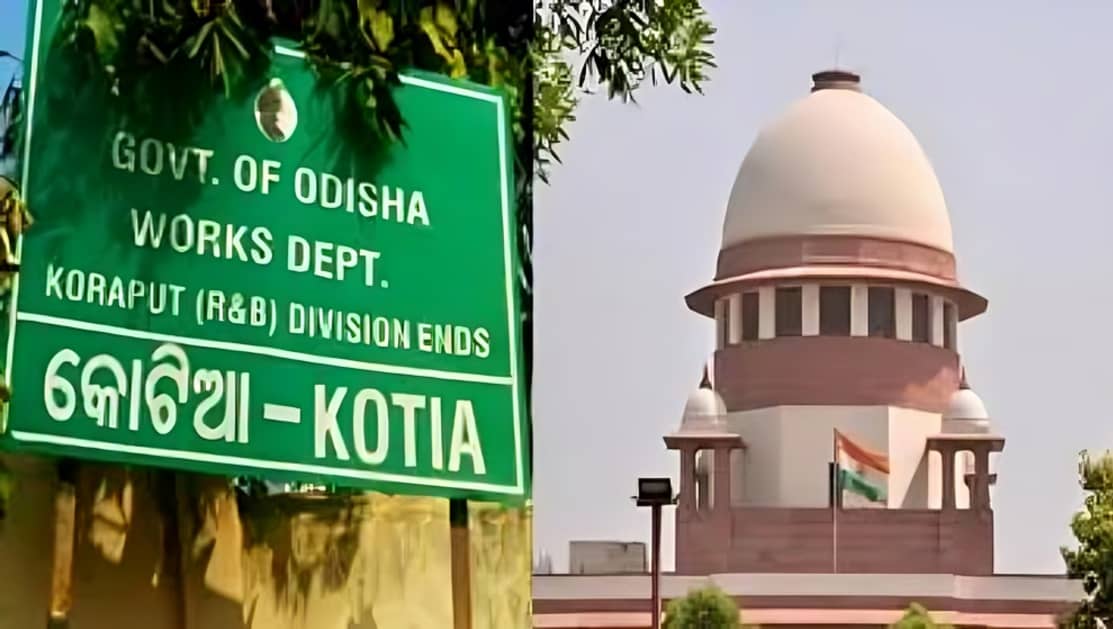
Kotia is a group of villages located in the Pottangi block of Odisha's Koraput district, near the boundary with Andhra Pradesh. The area has remained at the centre of a territorial dispute between the two states for decades.
Kotia Gram Panchayat consists of 28 villages. Odisha maintains that all 28 villages fall within its territory, while Andhra Pradesh claims jurisdiction over 21 of them. Both states have sought to maintain their administrative presence in the region, including through welfare programmes and local governance activities.
The dispute reached the Supreme Court after Odisha initiated legal proceedings in 1968. According to Odisha's current position, the court directed both states to maintain the status quo in 2006. The Odisha government argues that the latest election notification is inconsistent with that direction.
The legal history is significant because the issue is not limited to the conduct of local elections. It also concerns the broader question of how the territorial disagreement should be resolved and what administrative steps either state can take while the dispute remains unsettled.
Andhra Pradesh Announces Local Body Elections
The immediate trigger for the latest legal action was an election notification issued by Andhra Pradesh on October 10, 2026. The notification covered local body elections in the Kotia region, including Zilla Parishad and Panchayat Samiti positions.
Reports identified three disputed villages in the current election process: Phagunasineri, Ganjeipadar and Phatusineri. Odisha has objected to the notification, saying that conducting elections under Andhra Pradesh's administrative arrangements in the region would alter the existing status quo.
According to reporting published on October 24, voting for Mandal Parishad Territorial Constituency seats was scheduled for November 3. Andhra Pradesh has also announced a wider schedule for sarpanch and ward-member elections, with phases listed for November 26, November 29 and December 2. These dates relate to the reported election programme and may be affected by any subsequent legal or administrative developments.
Odisha officials have said the state is monitoring developments on the ground and taking legal and administrative steps to protect its position. The state has also expressed concern that elections conducted under a separate administrative framework could complicate the existing dispute.
Odisha Seeks Action Over Alleged Violation
The contempt petition seeks to hold the Andhra Pradesh government and officials involved in the election process accountable for the alleged breach of the Supreme Court's status quo direction.
Suresh Pujari has said Odisha will ask the court to direct Andhra Pradesh to refrain from similar actions in the future. The state maintains that Kotia is an integral part of Odisha and that its legal claim must be protected.
The filing follows an earlier episode in 2021, when Andhra Pradesh conducted panchayat elections in the disputed region. That move led Odisha to initiate contempt proceedings in 2022, according to reports. The latest election notification has revived those concerns and prompted the state to return to the Supreme Court.
The legal process will be important in determining how the court interprets its earlier direction in relation to the current election programme. Until the court considers the matter, Odisha's contention that the notification amounts to contempt remains an allegation rather than a judicial finding.
Political Reactions and Calls for Coordination
The Kotia dispute has also become a political issue within Odisha. Opposition leaders have questioned whether the state government has responded firmly enough to Andhra Pradesh's election plans. Former Odisha Chief Minister and Biju Janata Dal leader Naveen Patnaik has raised concerns about the handling of the issue and called for the protection of the state's territorial interests.
Odisha's government has said it is taking steps through legal channels and district-level administration. The state has also indicated that it intends to consult political parties on the way forward. An all-party meeting was reported as part of efforts to discuss the dispute and decide on further measures.
The issue has attracted attention because both states are governed by parties with links to the broader National Democratic Alliance at the national level. However, the legal dispute itself concerns territorial claims, election administration and compliance with the court's directions.
What Happens Next
The Supreme Court's consideration of Odisha's contempt petition could clarify the next steps in the dispute and determine whether further directions are required concerning elections in the affected villages.
In the meantime, Odisha officials have said they will continue to monitor the region and protect the state's interests through legal and administrative measures. The planned elections have placed renewed focus on the status of the Kotia villages and the need for a lasting resolution between the neighbouring states.
For residents, the dispute has implications beyond political competition. It affects local governance, access to public services and the administration of welfare schemes. A durable solution would require clarity over jurisdiction and a process that safeguards the interests and rights of people living in the border region.
For now, Odisha's latest move places the dispute before the Supreme Court once again. The central question is whether Andhra Pradesh's election notification is consistent with the court's earlier status quo direction. The answer will depend on the court's examination of the petition and the relevant legal history.


