The Supreme Court has delivered an important ruling on the method used to execute death sentences in India, declining at this stage to replace hanging with another method while leaving open the possibility of future reconsideration if new scientific or medical evidence becomes available.
The matter arose from a long pending petition challenging the constitutional validity of the statutory provision that requires a person sentenced to death to be executed by hanging. The petition sought consideration of alternative methods that could potentially reduce suffering and provide a more humane and dignified form of execution.
The case was heard by a bench comprising Justices Vikram Nath and Sandeep Mehta. Advocate Rishi Malhotra had challenged the existing method of execution and argued that developments in science and medicine warranted a fresh examination of the manner in which capital punishment is carried out.
The legal provision governing execution was earlier contained in Section 354(5) of the Code of Criminal Procedure. With the introduction of the Bharatiya Nagarik Suraksha Sanhita, 2023, the corresponding provision is Section 393(5). It provides for the execution of a death sentence by hanging.
The petition questioned whether hanging should continue to be the only statutory method of carrying out a death sentence. It also raised concerns regarding the physical suffering associated with the procedure and the constitutional requirement to protect human dignity.
During earlier hearings, the Supreme Court had asked the Union Government to examine whether alternative methods could be considered. The Centre subsequently informed the court that the issue was being examined at the highest level and that no final decision had initially been taken.
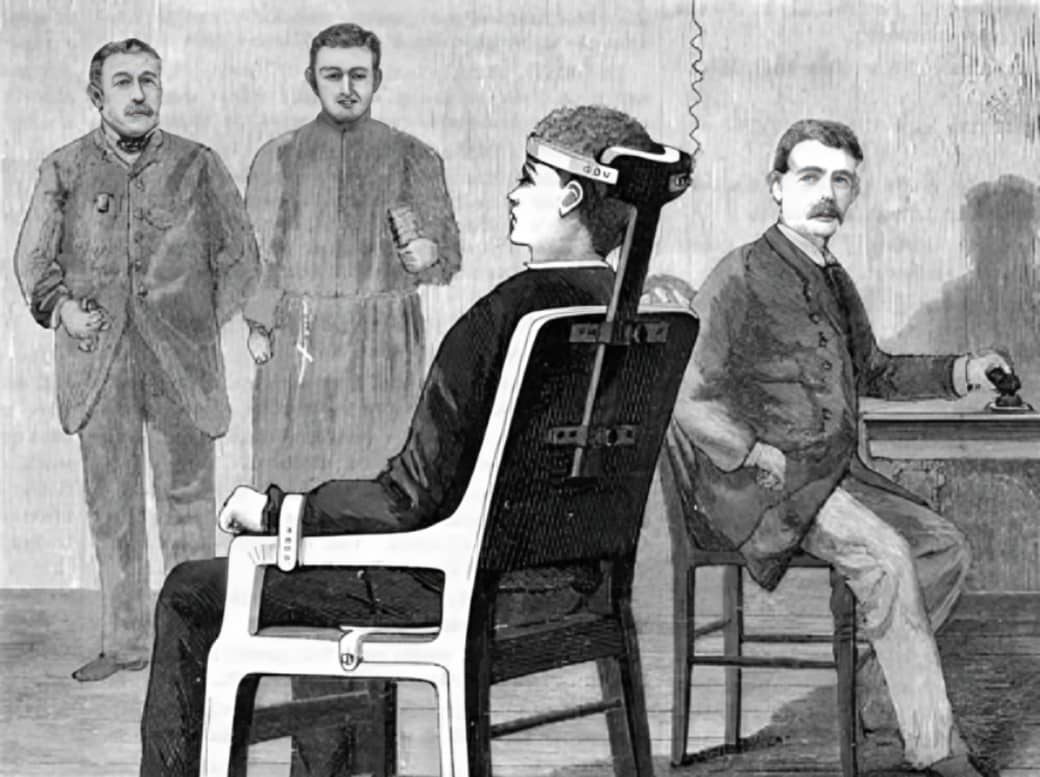
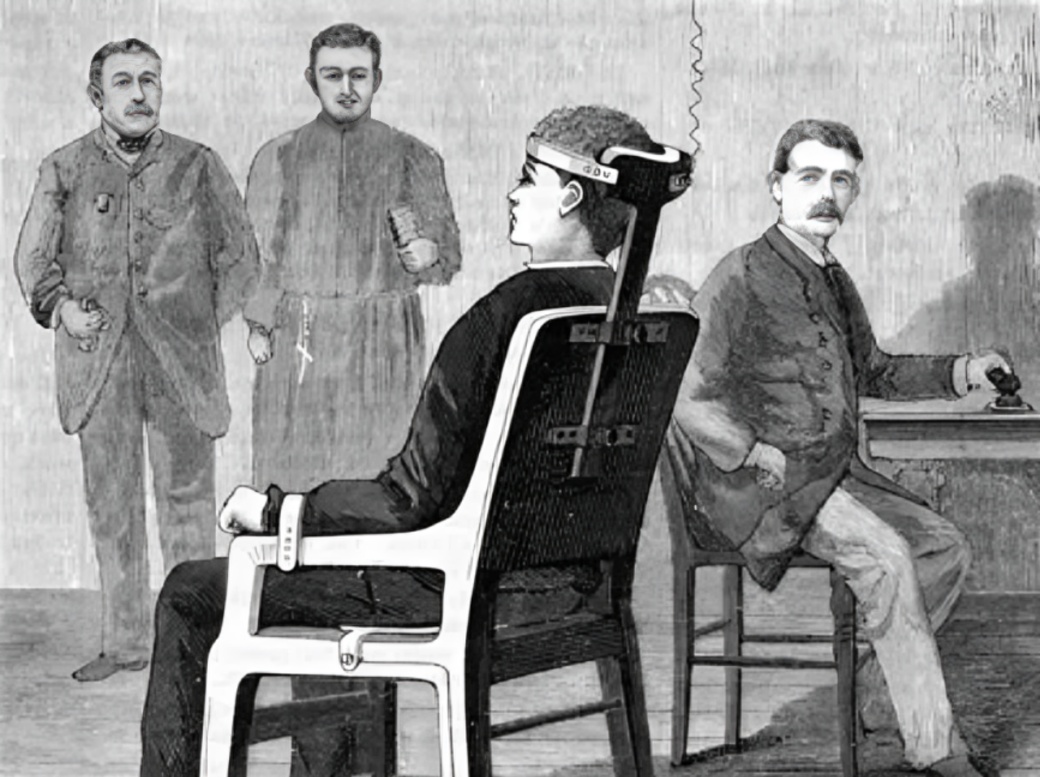
The alternatives discussed during the proceedings included methods such as lethal injection and other forms of execution used in different jurisdictions. The petitioner argued that death row prisoners should potentially have access to a method that causes less suffering than hanging.
The Supreme Court had also previously observed that hanging was an old method and asked the government to consider whether changing circumstances and developments in other parts of the world justified examining alternatives.
However, the latest decision does not abolish hanging as the method of execution in India. Death sentences that are legally confirmed can continue to be carried out through the existing statutory procedure.
At the same time, the court has left room for the matter to be revisited if reliable scientific or medical material establishes that another method would substantially reduce pain or suffering. This means the judgment does not permanently close the door on future changes to the execution procedure.
The court's approach keeps the issue open to developments in medical science and technology. If credible evidence emerges regarding alternative methods and their effects, the constitutional or legal position could potentially be examined again.
The question of how a death sentence should be carried out has been debated in India for several years. Supporters of reform have argued that even where capital punishment remains legally permissible, the method of execution should respect the dignity of the individual and minimise unnecessary suffering.
The petition filed by Rishi Malhotra was one of the proceedings through which the issue reached the Supreme Court. The case had been pending for several years and received renewed attention after the Centre began examining alternative methods.
During the proceedings, the Union Government informed the court that the question of replacing hanging with another method involved policy considerations and required examination by the appropriate authorities. The government had also indicated that it was studying the possibility of a less painful and more humane method.
The Supreme Court's latest position therefore represents a balance between maintaining the existing statutory framework and recognising that scientific evidence may develop over time.
The ruling is also relevant to the constitutional principle of dignity. Article 21 of the Constitution protects life and personal liberty, and courts have repeatedly considered dignity as an important component of constitutional rights.
At the same time, the Supreme Court has consistently maintained that the death penalty itself remains constitutionally permissible in India in exceptional cases under the rarest of rare doctrine. Courts must consider aggravating and mitigating circumstances before imposing capital punishment.
The method of execution is a separate but closely connected question. Even when a death sentence has been confirmed, the state remains responsible for carrying out the punishment according to law and within constitutional limits.
The latest ruling does not mean that every death row prisoner will receive a choice between hanging and another method. Such an option has not been established through this decision. Instead, the court has retained the possibility of future consideration if adequate evidence supports a change.
The decision could also encourage further research into execution methods. Scientific and medical experts may play a role if the government or courts undertake a detailed examination of whether alternative methods can reliably minimise pain and physical suffering.
The government may also examine international practices while considering any future policy changes. Different countries have adopted different approaches to capital punishment, while many others have abolished the death penalty altogether.
India continues to retain capital punishment for certain serious offences, subject to strict judicial safeguards. The Supreme Court has repeatedly stated that the death penalty should be imposed only when the alternative of life imprisonment is unquestionably foreclosed.
Recent Supreme Court judgments have also reiterated the importance of examining the possibility of reform and rehabilitation before imposing or confirming a death sentence. The rarest of rare principle remains central to sentencing decisions.
The present case, however, specifically concerns the physical method by which an already confirmed death sentence is executed. The court has therefore considered questions relating to pain, dignity, medical evidence and possible alternatives.
The court's decision provides the Centre with an opportunity to continue examining alternative execution methods without immediately changing the existing statutory system. Any future change would require careful consideration of scientific evidence, legal provisions, constitutional principles and practical implementation.
The judgment also makes clear that the issue can potentially return before the judiciary if new evidence changes the understanding of the physical and medical consequences of different execution methods.
For now, hanging remains the legally prescribed method for carrying out death sentences in India. The Supreme Court has not directed the government to replace it with lethal injection, electrocution or another alternative.
The ruling is significant because it keeps alive the larger debate over whether the method of execution should evolve with advances in science and changing understandings of human dignity.
The Centre's future role will therefore be important. If an expert review establishes that another legally and medically appropriate method is substantially less painful, the government could examine whether legislative or policy changes are necessary.
The Supreme Court's decision ultimately leaves the existing system intact while preserving an avenue for future reconsideration based on credible scientific and medical developments.