New Delhi, November 24, 2026
India has raised concerns at the United Nations Security Council over the growing economic and humanitarian consequences of international conflicts, particularly their disproportionate impact on developing countries.
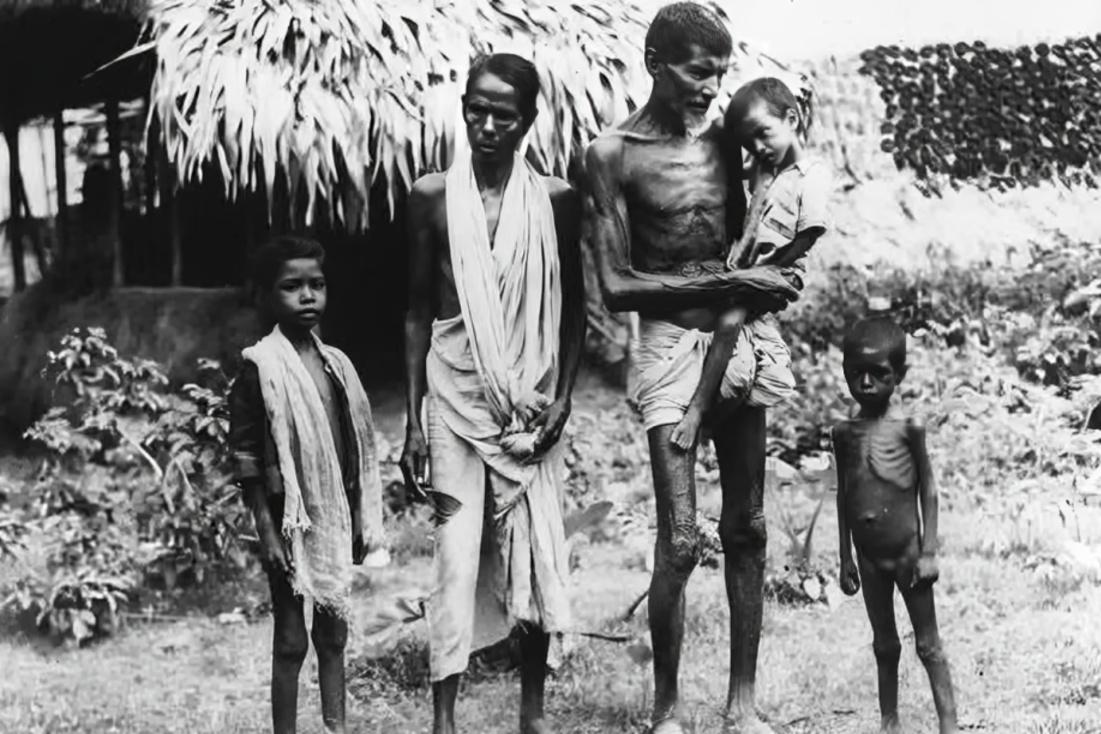
India’s Permanent Representative to the United Nations, Ambassador Harish Parvathaneni, referred to the devastating Bengal famine of 1943 while addressing a high level briefing on the protection of critical energy infrastructure and Black Sea food supply routes on Monday.
The ambassador highlighted how conflicts disrupt global food production, energy supplies, fertiliser availability and international trade, creating significant challenges for countries located far from conflict zones.
India urged the international community to prioritise peaceful conflict resolution and protect essential supply networks to prevent further humanitarian suffering.
India Recalls the Devastating Bengal Famine of 1943
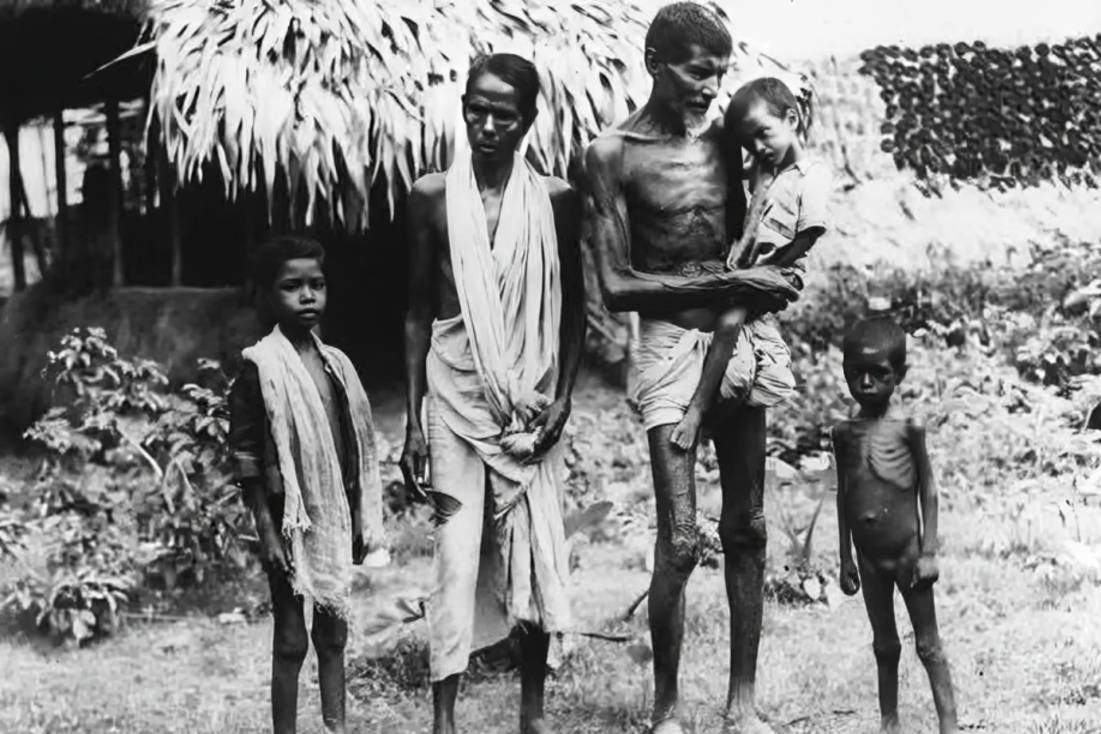
During his address, Parvathaneni referred to the Bengal famine of 1943 as a historical example of the humanitarian consequences of wartime decisions.
The famine occurred during the Second World War and resulted in widespread starvation, disease and loss of life. The ambassador stated that more than three million people died during the disaster.
He highlighted how populations located far from active battlefields could experience severe consequences arising from wartime priorities and disruptions to essential supplies.
India used this historical reference to emphasise the importance of considering the wider humanitarian impact of contemporary conflicts.
The ambassador maintained that the economic and social costs of international conflicts are not distributed equally among nations.
Global South Faces Food Fuel and Fertiliser Challenges
India expressed particular concern over the difficulties experienced by countries of the Global South following disruptions to international supply chains.
Many developing nations depend on international markets for essential food commodities, petroleum products and agricultural fertilisers.
Interruptions to these supplies can increase production costs, contribute to inflation and place additional financial pressure on vulnerable households.
Higher fertiliser prices can also affect agricultural productivity, potentially reducing food availability and increasing the cost of essential commodities.
Parvathaneni emphasised that developing countries frequently experience serious economic consequences from conflicts in which they are not directly involved.
India called for greater international cooperation to address these challenges and protect vulnerable populations.
Ukraine Conflict Continues to Affect Global Supply Chains
The ongoing conflict between Russia and Ukraine, which entered its fifth year in 2026, has affected interconnected international supply networks.
India highlighted that disruptions associated with the conflict extend beyond the immediate region and influence global agricultural trade, energy markets and maritime transportation.
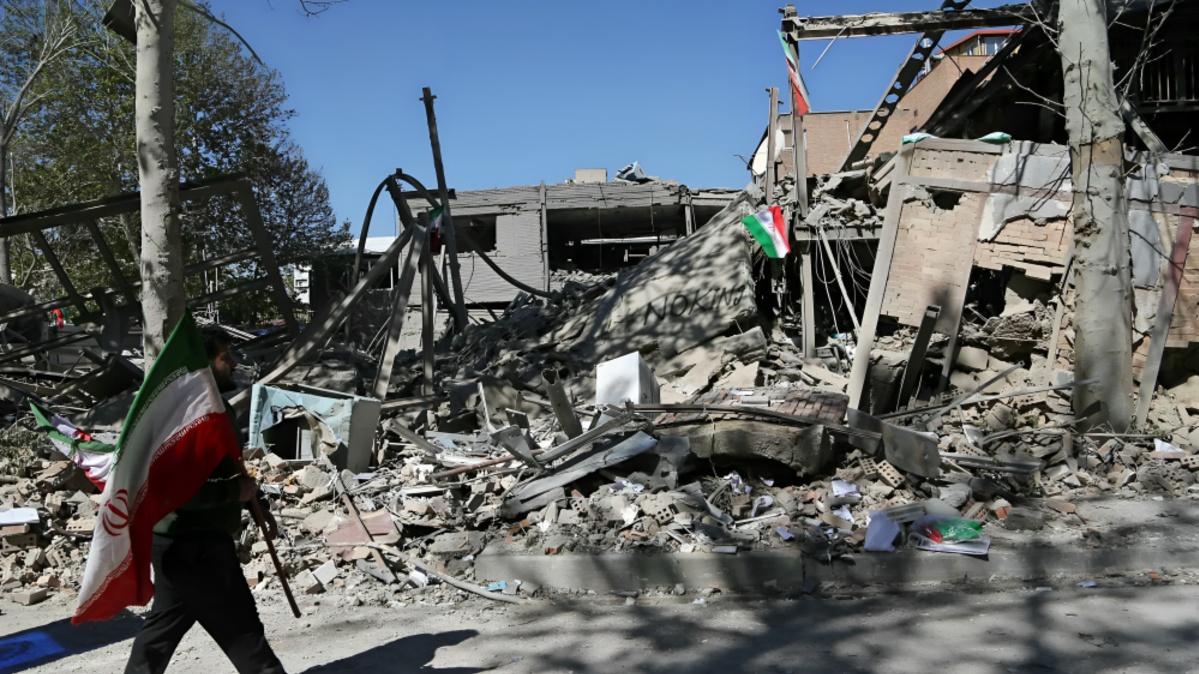
Damage to infrastructure and interruptions to commercial activities can create difficulties for countries dependent on imported agricultural commodities and energy resources.
Parvathaneni reiterated India’s position that diplomatic engagement and peaceful negotiations are essential for resolving international disputes.
He also recalled Prime Minister Narendra Modi’s appeal for the international community to move away from prolonged warfare and work towards ending conflicts.
India expressed its readiness to contribute to efforts aimed at achieving a peaceful resolution.
Importance of the Black Sea Region to Global Food Security
The Black Sea region plays an important role in international agricultural production and commodity exports.
According to figures presented by Parvathaneni, the Black Sea region and India together account for nearly one fifth of global cereal production.
He also stated that Russia and Ukraine account for approximately one quarter of global exports of wheat, maize and barley.
These agricultural commodities are essential to food security in several developing countries.
Disruptions to agricultural production, shipping routes and port operations can affect the availability and affordability of food across international markets.
India emphasised that protecting maritime connectivity and maintaining uninterrupted agricultural trade are important for global economic stability.
India Calls for Protection of Civilian Infrastructure
India urged the United Nations Security Council to prioritise the protection of civilian infrastructure during armed conflicts.
Essential infrastructure, including agricultural facilities, energy networks, transportation systems and commercial ports, plays a significant role in supporting civilian populations.
Damage to these facilities can interrupt access to electricity, food, water and other essential services.
The ambassador also highlighted the importance of ensuring uninterrupted humanitarian access to communities affected by conflicts.
India maintained that humanitarian assistance should reach vulnerable populations without unnecessary restrictions or disruptions.
Freedom of Navigation and Maritime Security
India also called for the protection of international shipping routes and freedom of navigation.
Maritime transportation is essential for the movement of food commodities, energy resources, fertilisers and humanitarian supplies across countries.
Disruptions to commercial shipping can increase transportation costs, delay deliveries and affect the availability of essential goods.
Parvathaneni emphasised that the safety of seafarers and the uninterrupted movement of legitimate commercial shipments are important humanitarian and economic considerations.
India urged the Security Council to support measures that protect maritime connectivity and facilitate international trade.
Conflicts Increase Global Food Insecurity
India highlighted several ways in which armed conflicts contribute to food insecurity.
The displacement of communities, destruction of agricultural infrastructure, interruption of farming activities and restrictions on humanitarian assistance can reduce access to essential food supplies.
These challenges can become more severe when international markets experience shortages or rising commodity prices.
Developing countries with limited financial resources may face additional difficulties in managing these economic pressures.
India stressed that international responses to conflicts should consider their consequences for vulnerable populations beyond the immediate areas of hostilities.
India Reiterates Commitment to Peaceful Conflict Resolution
India reaffirmed its support for dialogue, diplomacy and peaceful approaches to resolving international disputes.
Parvathaneni explained that peace has practical significance for developing countries because it directly affects food availability, economic stability, maritime safety and the livelihoods of ordinary citizens.
India’s address highlighted the importance of protecting humanitarian supplies, maintaining international trade and preventing further damage to civilian infrastructure.
By referring to the Bengal famine of 1943, India sought to remind the international community that the consequences of warfare can extend across geographical boundaries and affect generations.
The country called for coordinated international efforts to reduce humanitarian suffering, strengthen global food security and pursue lasting peaceful solutions to international conflicts.