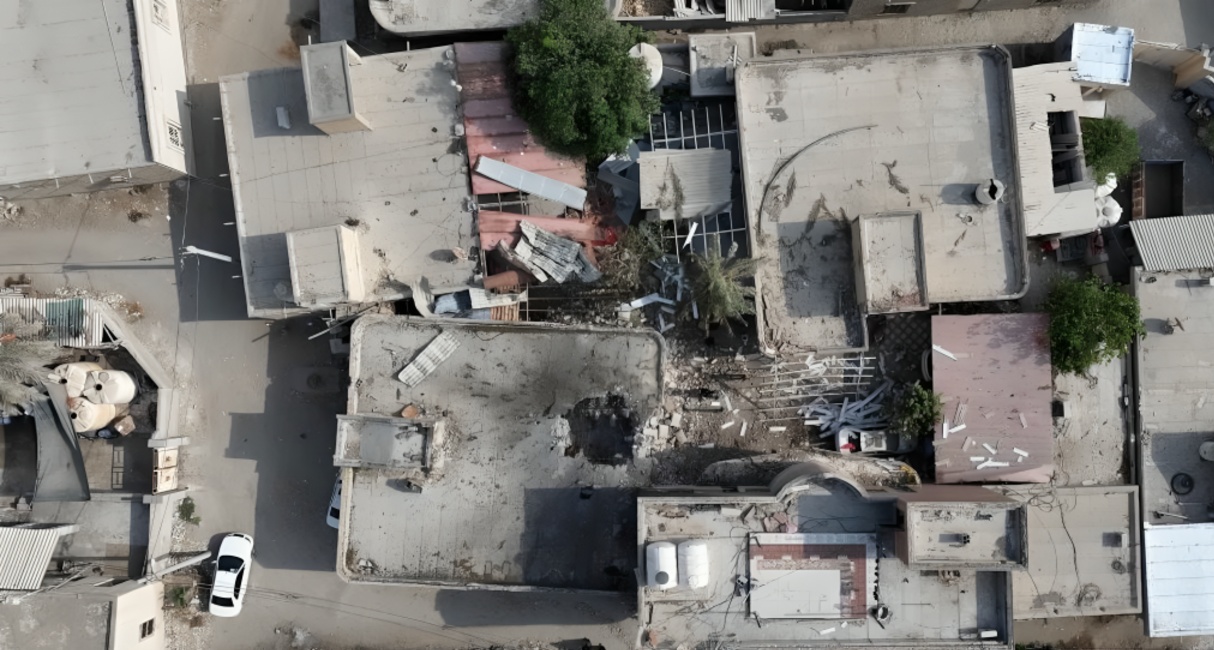
A deadly explosion at a wedding celebration in southern Iran has triggered renewed scrutiny of civilian casualties in the ongoing conflict between the United States and Iran. The incident occurred in Kuhestak, a coastal town in Sirik County in Hormozgan province, during US military operations in the region.
According to Iranian authorities and state media, the explosion struck a home where a wedding celebration was taking place. The reported death toll has risen to five, while nearly 70 people were injured. Earlier reports had put the number of fatalities at four before another victim reportedly died in hospital.
The incident has become the subject of an investigation in the United States. US Vice President JD Vance said Washington was examining what happened and indicated that the administration wanted to determine the circumstances surrounding the civilian casualties.
The United States has not formally accepted responsibility for striking the wedding venue. US military officials have said that American forces were conducting operations against military-related targets in the area. The Pentagon and US Central Command have maintained that American forces do not intentionally target civilians.
However, an analysis conducted by Reuters and reviewed by weapons experts has raised questions about the possible source of the explosion. Experts who examined photographs and videos verified by Reuters concluded that the damage pattern was consistent with a direct impact from a US-made munition. Their assessment did not support the theory that the weapon simply ricocheted from another target.
The findings have increased pressure for a detailed investigation into the strike. The precise circumstances surrounding the incident remain under examination, including the weapon used, the intended target and how the wedding gathering came to be struck.
The wedding was taking place in a residential area of Kuhestak, a small town located along the Strait of Hormuz. The region has become an important area of military activity because of its proximity to Iranian maritime infrastructure and strategic shipping routes.
The United States has carried out strikes against Iranian military and communications infrastructure in the area as part of its wider military campaign. According to reports, a communications tower near the town was among the sites targeted during the operation. Other military-related infrastructure in the region has also been targeted during the conflict.
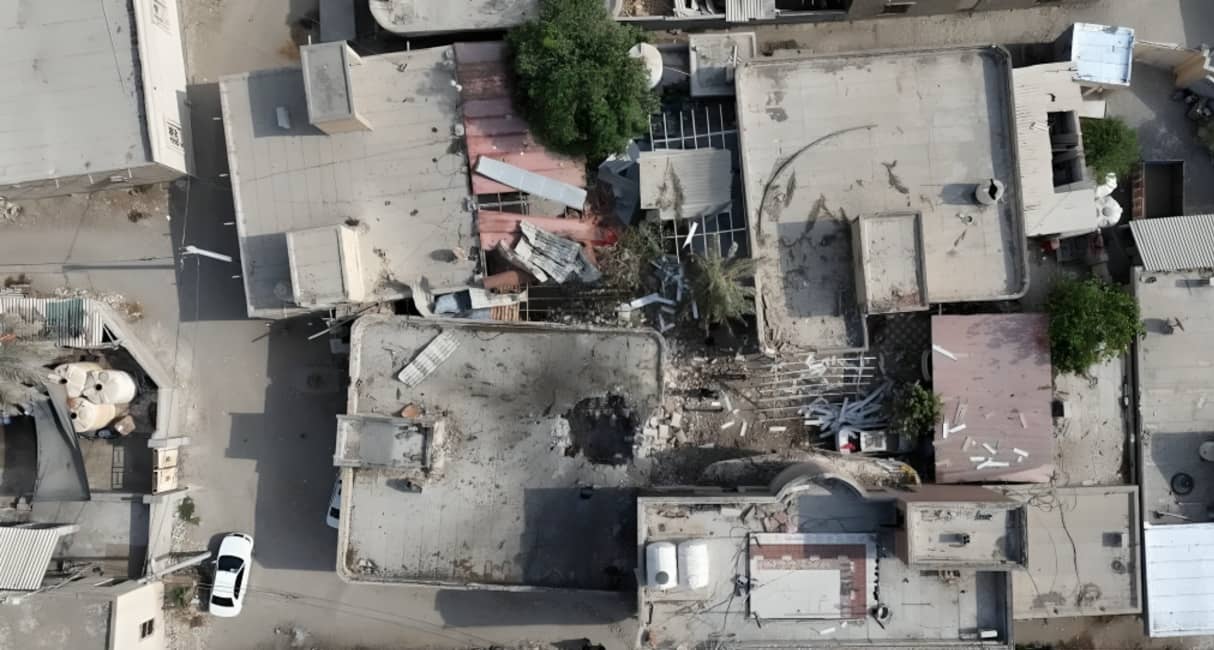
Witness accounts and images from the aftermath showed extensive damage to the home where the wedding was being held. The impact destroyed parts of the building and damaged nearby structures. Personal belongings and wedding decorations were reportedly scattered around the site following the explosion.
The incident has generated anger in Iran, where officials have accused the United States of causing civilian deaths. Iranian officials have described the strike as unacceptable and have demanded international attention to the consequences of American military operations.
The United States has taken a different position, stressing that its military operations are directed against military objectives rather than civilians. Washington has also said that it is reviewing the reports surrounding the wedding incident.
The statement from Vice President JD Vance is significant because it indicates that the US administration is taking the reported civilian casualties seriously. Vance said the United States was investigating the incident and wanted to understand what had happened.
The investigation will be important because identifying the weapon involved could help establish how the explosion occurred. Weapons experts have examined fragments and the physical characteristics of the damage visible in photographs and videos. Some assessments have pointed toward US manufactured precision guided weapons.
Earlier reporting identified fragments as potentially belonging to weapons such as the AGM 84K SLAM ER or another US precision guided munition. However, the exact weapon used in the incident has not been officially confirmed by the US military.
The distinction between an intentional attack on civilians and an unintended civilian casualty is also important in assessing the incident. The US government has stated that civilians are not deliberately targeted. If an investigation establishes that a US weapon struck the wedding venue, authorities would still need to determine whether the location was mistakenly identified, whether the weapon deviated from its intended target or whether other operational factors were involved.
Reuters weapons experts concluded that the available evidence was more consistent with a direct impact than with a ricochet. This assessment has added to calls for greater transparency about the military operation.
The incident comes after previous reports of civilian casualties during US military operations in Iran. The latest case has therefore renewed debate about the risks associated with conducting precision strikes in or near populated areas.
Modern precision weapons are designed to accurately engage selected targets, but their use in densely populated or mixed civilian and military environments can still result in civilian casualties. Intelligence about the location and nature of a target is consequently an important part of military planning.
Kuhestak is located close to the Strait of Hormuz, one of the world's most important maritime routes. The strategic importance of the region has made the surrounding coastline a major focus of military operations during the conflict.
The wider US Iran confrontation has also affected international shipping and energy markets. Any further escalation around the Strait of Hormuz could have consequences beyond the Middle East, particularly for countries that depend heavily on energy imports.
The wedding blast therefore has significance beyond the immediate loss of life. It has become another test of how the United States conducts military operations in areas where civilian communities are located close to strategic or military infrastructure.
For Iran, the incident has provided further grounds to criticise the US military campaign. For Washington, the investigation could help determine whether operational mistakes occurred and whether changes are required to reduce the risk of civilian casualties.
The final findings of the US investigation are expected to be important in establishing what happened. Until those findings are released, claims about the exact weapon, intended target and circumstances of the strike should be treated with appropriate caution.
The available evidence currently indicates that the explosion was likely caused by a US munition, according to the weapons experts cited in the Reuters analysis. At the same time, the United States has not publicly accepted responsibility for the wedding strike and is examining the incident.
The case highlights the continuing humanitarian risks of the conflict. As military operations continue, civilian communities located near strategic targets remain vulnerable to unintended consequences.
The deaths and injuries at the Kuhestak wedding have consequently become a major focus of international attention. The outcome of the investigation could influence the wider debate over civilian protection, targeting procedures and accountability during the ongoing US Iran confrontation.