Saudi Arabia, Türkiye and Pakistan have agreed to establish a permanent secretariat under their Mecca Joint Defence Agreement, marking a new institutional step in defence cooperation among the three countries.
The decision was announced following a meeting of representatives from Saudi Arabia, Türkiye and Pakistan in Istanbul. The meeting was the first formal gathering under the agreement since the three countries signed the Mecca Joint Defence Agreement in August 2026.
According to a joint statement issued by the three countries, the new secretariat will be established in Saudi Arabia. It will serve as a central institutional mechanism for coordinating activities and supporting cooperation under the defence agreement.
The secretariat will initially be headed by a Pakistani secretary general for a period of three years. This gives Pakistan the first leadership role in the new institutional structure.
The arrangement represents an effort by the three countries to move beyond a broad defence agreement and create a permanent mechanism for coordination. The secretariat is expected to support communication among the participating countries and assist in implementing decisions taken under the agreement.
The Mecca Joint Defence Agreement was signed in Mecca in August 2026 by Saudi Arabia, Türkiye and Pakistan. The agreement was established amid heightened security concerns in the Middle East and wider regional tensions.
The agreement focuses on strengthening defence cooperation among the three countries. The creation of a secretariat is intended to provide an organisational structure through which the participating countries can coordinate their defence related activities.
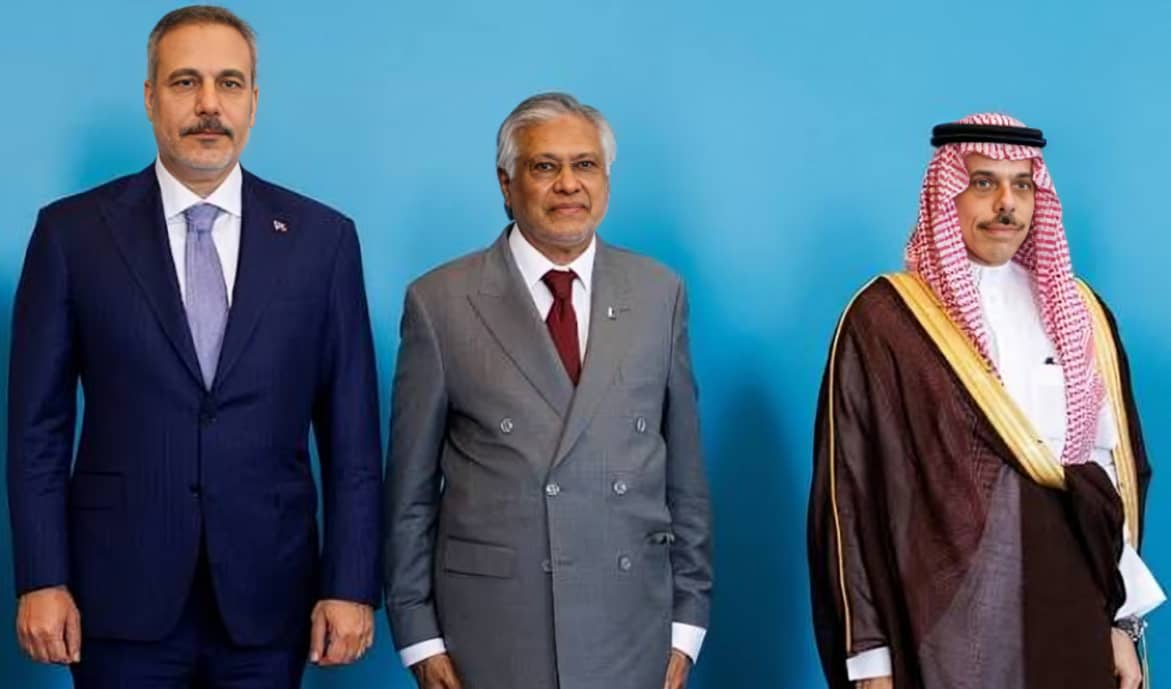
The latest meeting in Istanbul included senior officials from the three countries. Turkish Foreign Minister Hakan Fidan hosted the meeting, while representatives from Pakistan and Saudi Arabia also participated. The meeting marked the beginning of the institutional implementation of the defence agreement.
Pakistan's role as the first country to provide the secretary general is significant because it gives Islamabad an initial leadership position within the new secretariat. The three year term means that Pakistan will oversee the secretariat during its initial phase of institutional development.
The precise responsibilities and working mechanisms of the secretariat will depend on arrangements agreed by the three member countries. Its central purpose is expected to be the coordination of defence cooperation and implementation of decisions made by the alliance's political and defence committees.
The agreement brings together three countries with established defence and strategic relationships. Pakistan and Saudi Arabia have maintained close military and security ties for decades, while Pakistan and Türkiye have also developed significant defence cooperation.
Saudi Arabia and Türkiye have expanded their bilateral relationship in recent years across defence, trade and regional diplomacy. Bringing all three countries into a single defence framework creates an additional platform for security coordination.
The development is taking place at a time when the Middle East is facing significant security challenges. Regional conflicts, military tensions and changing strategic relationships have encouraged countries to strengthen defence partnerships and improve coordination.
However, the new arrangement should not automatically be interpreted as the creation of a NATO equivalent. The formal name of the agreement is the Mecca Joint Defence Agreement, and the secretariat is an institutional mechanism created under that agreement. Some media reports have used comparisons such as "Islamic NATO", but that is not the formal designation of the alliance.
The three countries have stated that their cooperation is intended to strengthen collective defence and security coordination. The agreement reportedly contains provisions concerning collective response to aggression against any of the participating countries.
The establishment of the secretariat could make it easier for the countries to coordinate their military and political positions. It may also provide a regular channel for discussions involving defence ministers, military chiefs and other senior officials.
For Pakistan, taking the initial leadership of the secretariat provides an opportunity to play a prominent role in shaping the alliance's early institutional structure. The three year term could allow Pakistan to participate closely in developing procedures and mechanisms for future cooperation.
For Saudi Arabia, hosting the secretariat places the administrative centre of the alliance within the kingdom. Riyadh is expected to serve as the location for the permanent secretariat, according to reports on the agreement's institutional arrangements.
For Türkiye, participation provides another platform for engagement with Saudi Arabia and Pakistan on regional defence and security issues. Ankara has maintained diplomatic and defence relationships with both countries.
The alliance's future role will depend on how the three countries translate the agreement into practical cooperation. Regular meetings, information sharing, military coordination and joint planning could become important areas of activity.
The creation of a secretariat does not by itself mean that the three countries will conduct joint military operations. Specific defence activities would depend on decisions taken by the member states and the provisions of the agreement.
The institutional development also comes at a time when regional security structures are changing. Countries in the Middle East and surrounding regions have increasingly sought partnerships that can strengthen their ability to respond to security challenges.
The Mecca agreement therefore represents another development in the evolving regional security landscape. Its long term significance will depend on whether the three countries develop the secretariat into an effective mechanism for practical defence cooperation.
The first three year period will be particularly important. During this phase, the Pakistani secretary general will be expected to help establish the secretariat's administrative structure and facilitate coordination among the three countries.
The participating countries are also expected to continue discussions on the organisation's political and defence mechanisms. The Istanbul meeting was an early step in this institutional process.
The agreement's development is being closely watched internationally because Saudi Arabia, Türkiye and Pakistan are significant regional powers with substantial military capabilities and diplomatic influence.
The partnership also has implications for the broader strategic environment in West Asia and South Asia. However, the exact impact on regional security will depend on how the agreement is implemented and whether its members expand their cooperation in practical areas.
For India, developments involving Pakistan and Saudi Arabia are likely to be followed closely because of their potential implications for regional strategic relationships. However, the creation of the secretariat should not by itself be interpreted as targeting any specific third country unless the participating governments explicitly state such an objective.
The three countries have so far focused their public statements on defence cooperation, coordination and institutionalisation of the agreement.
The creation of a permanent secretariat provides the new alliance with an administrative centre and a mechanism for continuing coordination between member states. The appointment of a Pakistani secretary general for the first three years establishes the initial leadership arrangement.
Further details about the secretariat's responsibilities, staffing and decision making procedures are expected to emerge as the three countries continue implementing the agreement.
The latest development therefore marks an important transition from the signing of the Mecca Joint Defence Agreement to the creation of a permanent institutional structure.
Saudi Arabia, Türkiye and Pakistan have agreed to work through the new secretariat to strengthen coordination under their defence pact. Pakistan will initially lead the secretariat through a secretary general for three years, while Saudi Arabia will host the institution.
The arrangement is expected to remain an important component of the three countries' defence cooperation as they develop their new security partnership.