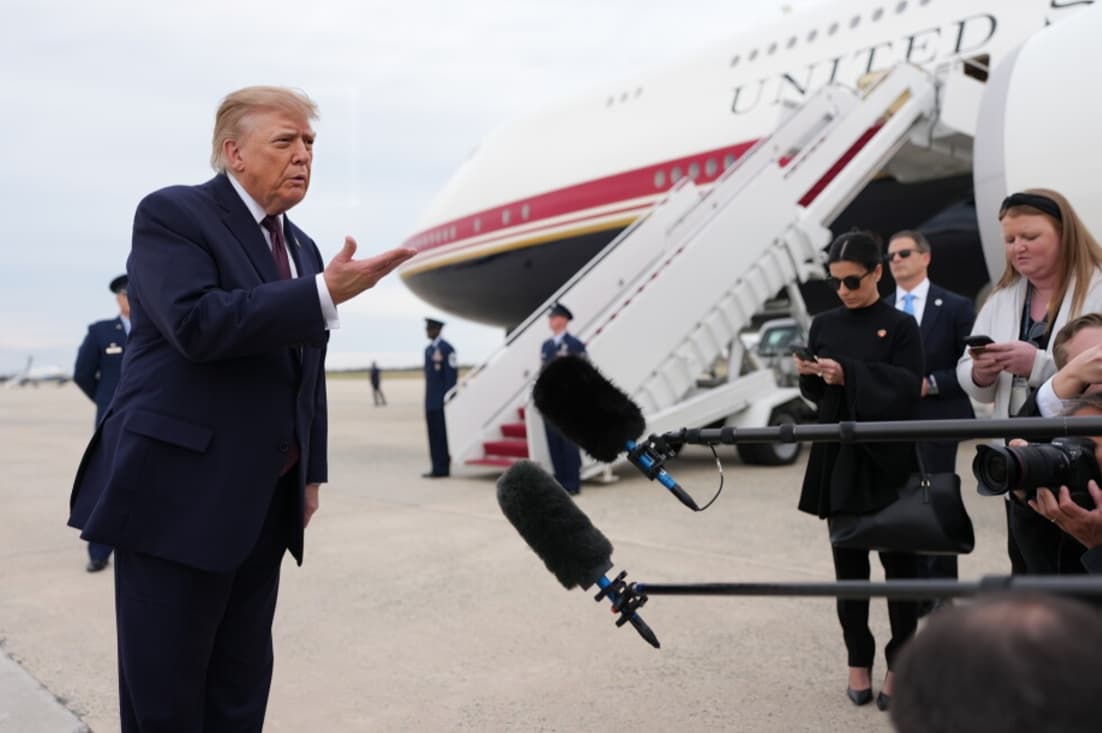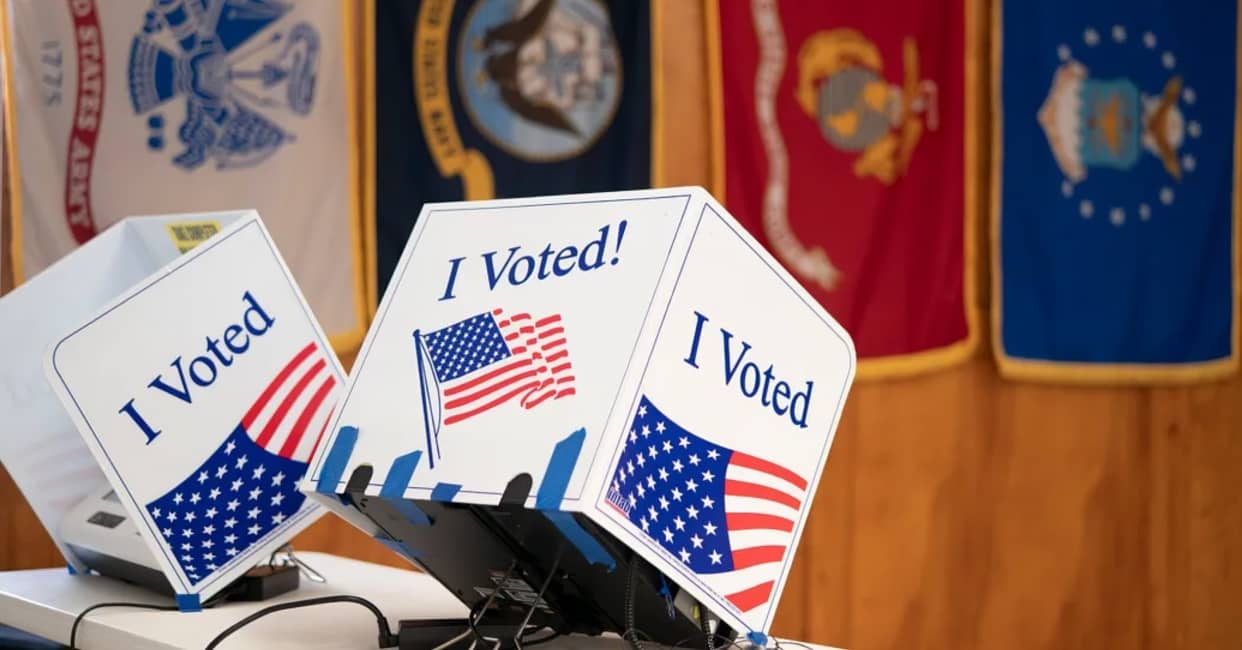
The administration of US President Donald Trump has suffered a legal setback in its election-related efforts ahead of the November 3 midterm elections. A federal judge has issued an order restricting the Justice Department and the Department of Homeland Security from pressuring state and local election officials to remove registered voters or withhold and separate their ballots based on claims that they may not be eligible to vote.
The ruling comes at a crucial time, just days before Americans are scheduled to vote in elections that will determine control of the US Congress. The midterm elections are particularly significant because they will decide the balance of power in the House of Representatives and the Senate during the remaining period of Trump's presidency.
According to reports, US District Judge Trina Thompson issued the temporary restraining order on Friday. The order prevents federal agencies from demanding that election officials remove voters from state registration lists, refuse to count ballots or separate ballots cast by voters identified on a federal list of allegedly ineligible individuals. It also restricts threats of criminal prosecution against election officials who decline to follow such demands while carrying out their responsibilities under election laws.
The legal challenge was brought by election workers' unions and other groups concerned about federal pressure on state and local election authorities. The plaintiffs argued that the administration's actions could interfere with the proper administration of elections and discourage officials from performing their duties independently.
The dispute centres on federal efforts to identify individuals who may not be eligible to vote, particularly people suspected of not being US citizens. The Justice Department and other federal agencies have sought information from several states and raised concerns about the accuracy of voter registration lists.
The administration has defended these efforts as necessary to protect election integrity and ensure that only eligible citizens participate in federal elections. However, state and local officials have raised concerns about the reliability of some federal voter lists and the possible consequences of acting on information that has not been adequately verified.
One major point of disagreement is whether federal authorities can require state election officials to remove voters or withhold ballots based on information supplied by the federal government. Election administration in the United States involves responsibilities shared between federal and state authorities, with states playing a central role in managing voter registration, polling arrangements and ballot counting.
The court's order addresses this dispute by restricting federal agencies from using threats or demands to influence how local officials handle ballots and voter registration. It seeks to ensure that election workers can follow established legal procedures without facing the threat of prosecution simply for carrying out their official duties.
The judge's decision also comes amid disputes involving voter eligibility lists in different states. In California, for example, the Justice Department sought action concerning more than 20,000 voters it suspected might be ineligible. State officials questioned the accuracy of the information and raised concerns about the risk of eligible voters being wrongly affected.
Investing.com+2
The controversy has increased political tensions between the federal government and state election authorities. Critics of the administration's approach argue that federal demands made shortly before an election could create confusion among election workers and undermine public confidence in the voting process. They also warn that inaccurate voter information could result in eligible citizens facing unnecessary difficulties when casting their ballots.
The administration, on the other hand, has maintained that checking voter eligibility is an important part of protecting the election system. The Justice Department has argued that federal authorities have a responsibility to enforce laws that restrict voting in federal elections to eligible US citizens.
The court's temporary order does not mean that federal authorities have lost all power to investigate suspected election violations. Instead, it restricts the specific actions described in the order, particularly demands to remove registered voters, withhold ballots or separate ballots based on the administration's list of allegedly ineligible voters. The ruling also limits threats against election officials who refuse to comply with those demands.
The decision highlights the legal boundaries surrounding federal involvement in elections. It also underlines the importance of protecting election workers from intimidation and allowing them to perform their duties according to established laws and procedures.
The November 3 midterm elections are expected to attract considerable national attention. Voters will elect members of Congress, and the results will influence the political direction of the country. Control of Congress will also determine how effectively the administration can advance its legislative priorities during the remainder of its term.
The latest ruling adds another legal challenge to the Trump administration's election-related policies. It has brought renewed attention to the relationship between federal agencies, state election authorities and the independence of the electoral process.
The temporary nature of the order means that further legal proceedings may follow. The final outcome of the dispute will depend on subsequent court decisions and the legal arguments presented by both sides. For now, federal agencies must comply with the restrictions imposed by the judge.
As the United States approaches Election Day, the case has become an important part of the wider debate over voter eligibility, election administration and the limits of federal authority. The ruling reinforces the principle that election officials must be able to handle voter registration and ballots according to the law without improper pressure or intimidation.