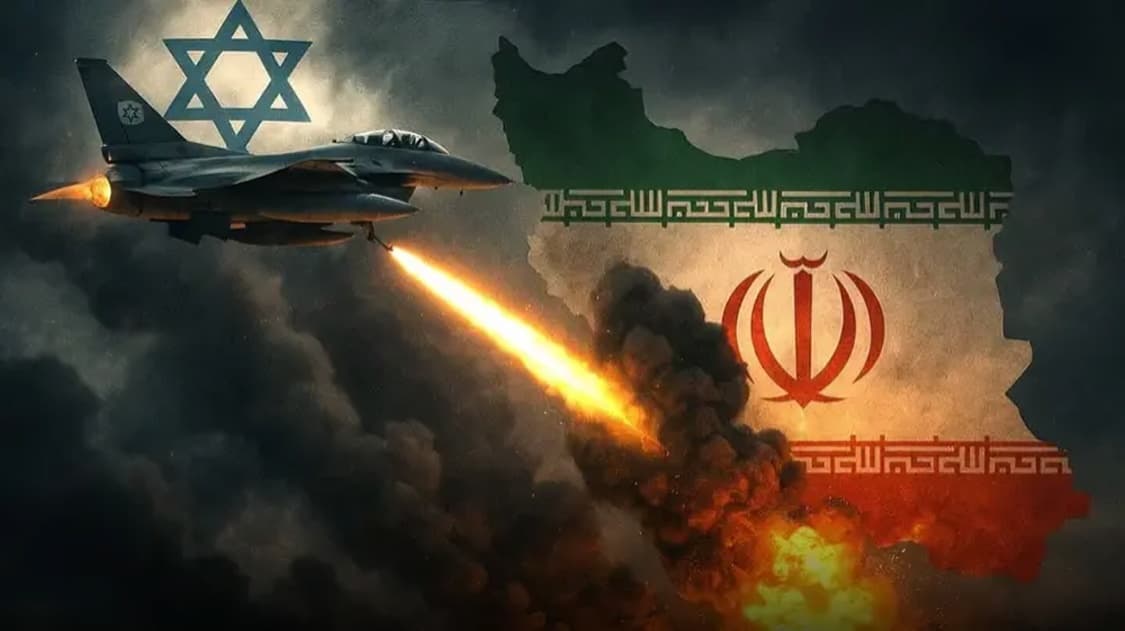
The United States has reportedly warned several Gulf countries to prepare for possible renewed military strikes against Iran following the November 3 midterm elections. According to reports citing regional diplomatic sources, the Trump administration has indicated that a short and intense military campaign could begin as early as November 4. The warning comes amid increased American military deployments to the Middle East and continuing diplomatic efforts to prevent another major escalation in the region.
The reported warning has raised concerns among Gulf countries about the possibility of renewed conflict between Washington and Tehran. Regional allies have reportedly been advised to prepare not only for potential US military operations but also for possible Iranian retaliation. Diplomatic sources have indicated that any new round of American strikes could last several days, although the duration and scale of a possible operation remain uncertain.
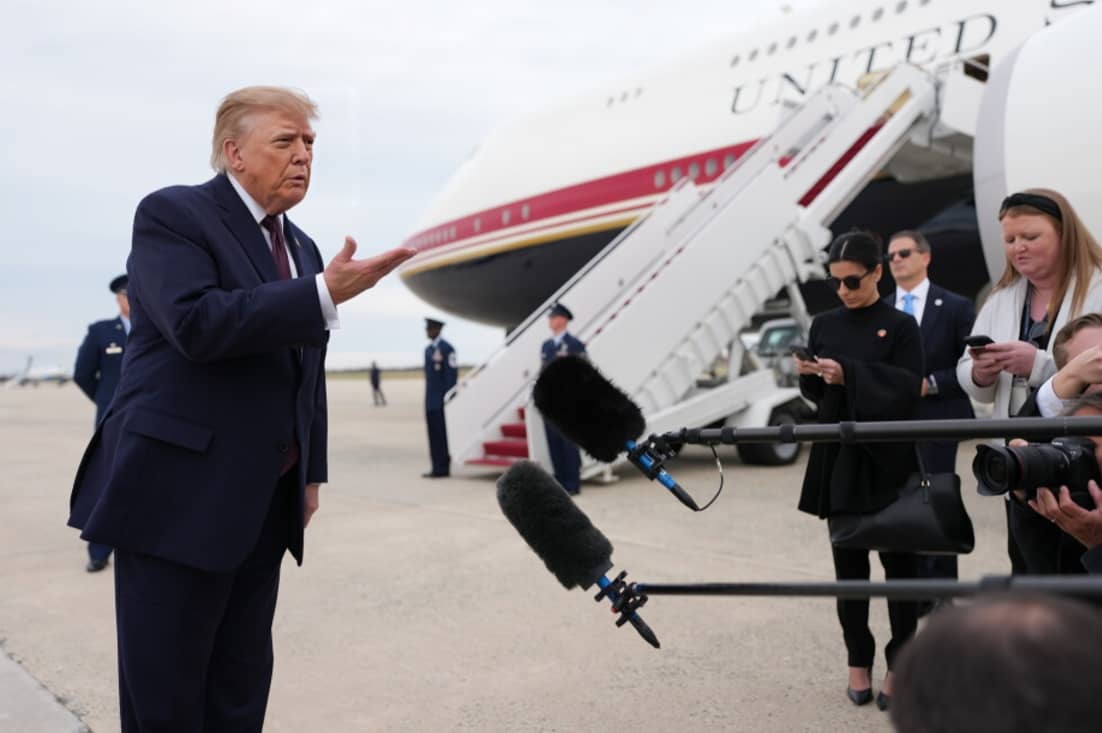
US President Donald Trump has not made a final decision on whether to authorise another military campaign against Iran. However, he has publicly indicated that further military action remains possible after the midterm elections. His administration has also maintained that preventing Iran from acquiring nuclear weapons remains a major objective of US policy.
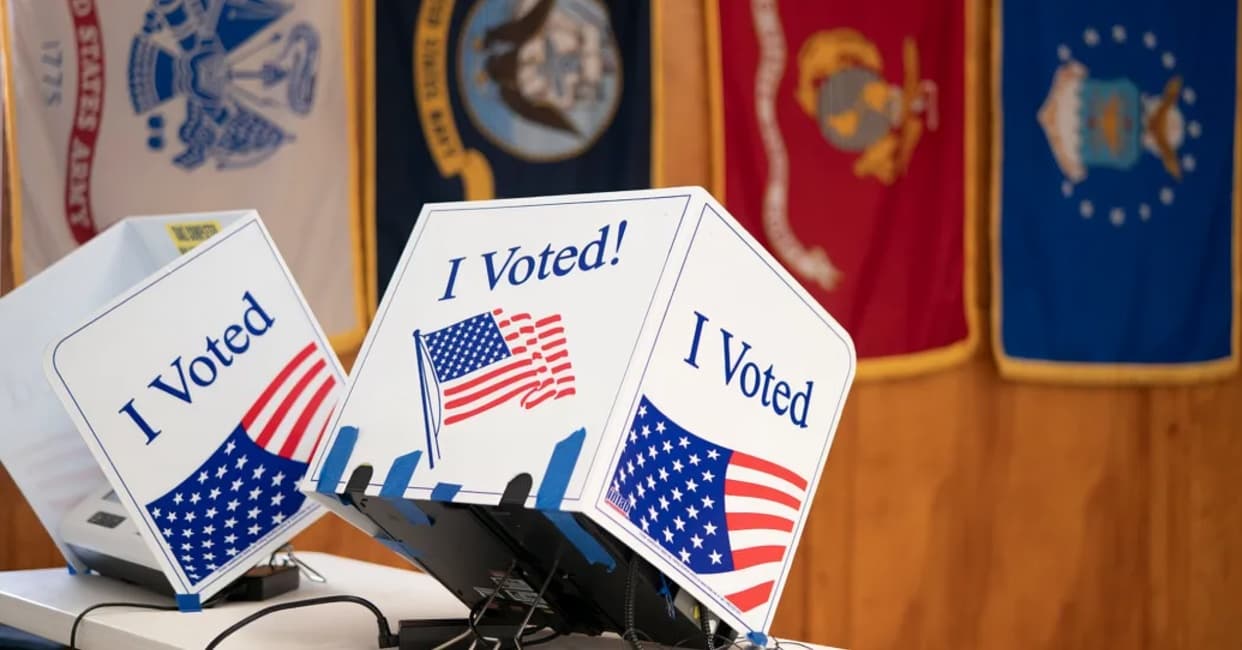
The November 3 midterm elections are politically significant for the Trump administration. The elections will determine control of the US Congress, including the House of Representatives and the Senate. Any major military escalation before the vote could have political and economic consequences, particularly because the conflict has affected energy prices and raised concerns among American voters.
According to reports, the US administration has communicated its concerns to regional partners through diplomatic and military channels. Gulf countries have reportedly been asked to take precautionary measures because Iran could respond to renewed attacks by targeting energy facilities and other critical infrastructure.
The possibility of retaliation is a major concern for countries in the Persian Gulf. Several regional states host important energy facilities, military installations and international transport infrastructure. An escalation involving Iran could therefore affect not only military assets but also oil production, shipping routes and regional economic activity.
The Strait of Hormuz is particularly important in this situation. It connects the Persian Gulf with the Gulf of Oman and is one of the world's most important routes for international oil and gas shipments. Any disruption to maritime movement through the strait could affect global energy supplies and increase uncertainty in international markets.
The United States has also been increasing its military presence in the Middle East. Reports indicate that additional naval and military assets are being moved towards the region, while American forces are strengthening their defensive preparations. These deployments are intended to provide military options and protect US personnel and regional partners if tensions increase. However, the movement of military forces does not by itself confirm that an attack has been authorised.
AP News+2
Meanwhile, diplomatic efforts are continuing to prevent another round of fighting. Regional mediators, including Qatar, have been involved in discussions aimed at bringing the United States and Iran back to negotiations. Iran has reportedly indicated that it remains willing to consider diplomatic solutions and wants earlier proposals to serve as a basis for further discussions.
The United Arab Emirates has also called for restraint and political solutions to contain regional tensions. Gulf governments are concerned that renewed military action could create a wider confrontation, particularly if Iran responds by targeting infrastructure or interests belonging to countries that support the United States.
Iran has previously warned that any fresh attack could trigger a strong response. Its potential retaliation could involve American military facilities, regional infrastructure and other strategic targets. The possibility of action by groups allied with Iran has also added to concerns among regional governments.
The situation has created a difficult balance for the Trump administration. Washington is maintaining military pressure while leaving the possibility of negotiations open. A new military campaign could weaken Iranian military capabilities, according to the US position, but it could also lead to further retaliation and make a diplomatic settlement more difficult.
Reports also indicate that the United States is continuing to assess its military options while regional partners seek to avoid another prolonged conflict. The White House has not confirmed a specific date, target list or final operational plan for any possible strikes. Its position remains that the president has several options available to address concerns about Iran.
Iran International | Iran International+2
For Gulf countries, the immediate priority is to protect their populations, energy infrastructure and economic interests. A renewed conflict could affect international aviation, maritime transport, oil prices and trade across the region. Governments are therefore closely monitoring developments and maintaining communication with Washington and other regional partners.
The reported November 4 timeline has attracted particular attention because it falls one day after the US midterm elections. However, the date remains a reported possibility rather than a confirmed military schedule. President Trump has not announced a final decision to launch strikes, and diplomatic discussions could still influence the next steps.
The coming days are likely to be important for US-Iran relations. Whether the two countries move towards negotiations or another military confrontation will depend on diplomatic progress, regional security developments and decisions taken by the US administration. Until an official announcement is made, the possibility of strikes should be treated as a developing situation rather than a confirmed operation.