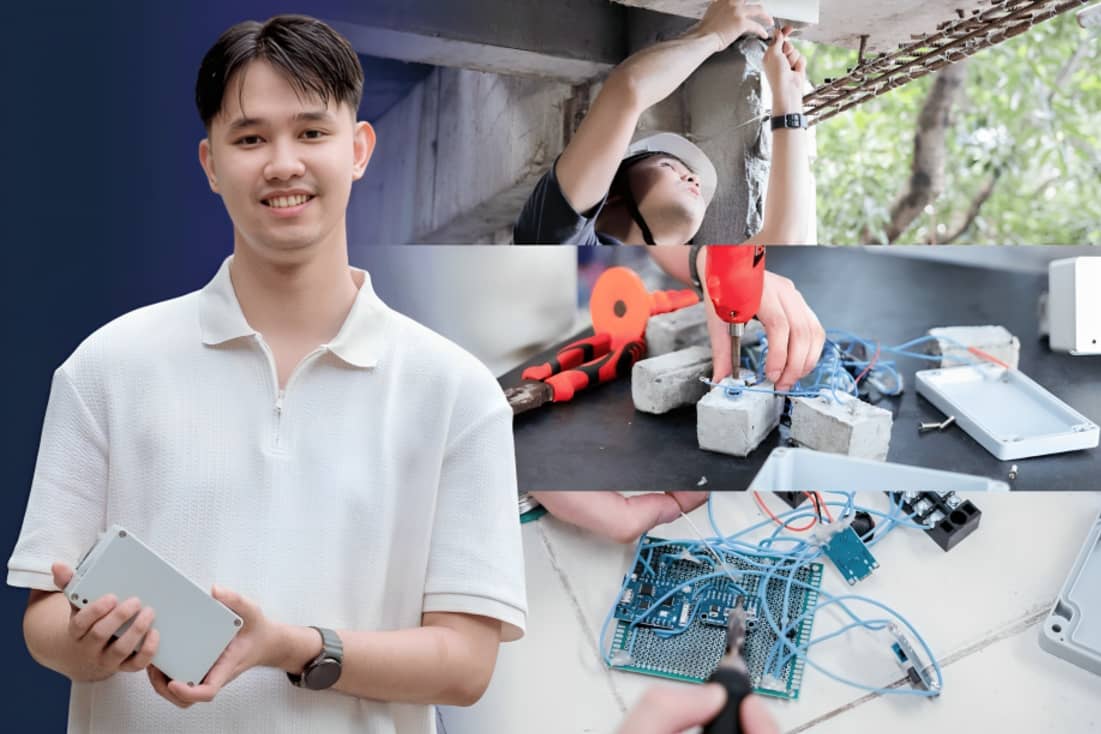
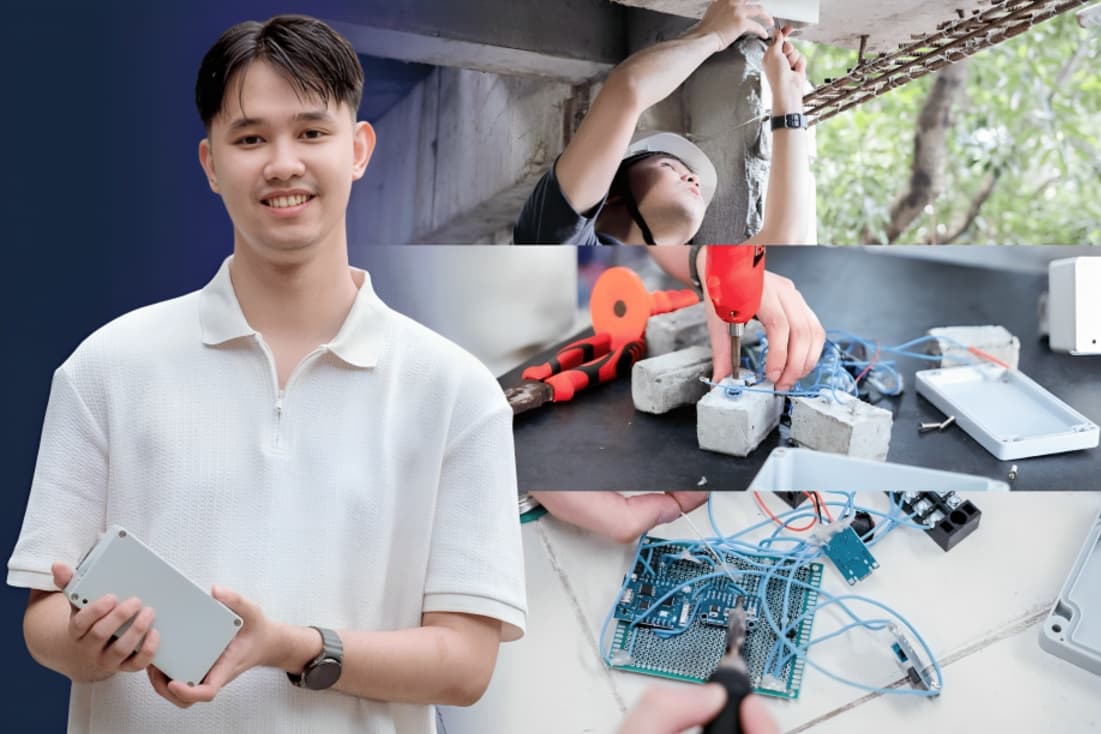
Filipino Engineer Wins 2026 James Dyson Global Sustainability Award for Sentinel Earthquake Safety Sensor
Filipino structural engineer Aldrei Ong has won the 2026 James Dyson Award Global Sustainability prize for developing an innovative sensor designed to identify hidden damage in buildings after earthquakes. His invention, called Sentinel, aims to help engineers detect structural changes in concrete buildings that may not be visible during ordinary inspections.
Ong, a graduate of De La Salle University in the Philippines, received the recognition for developing technology that could improve the way buildings are assessed following earthquakes. The award comes with a prize of £30,000, which will support further development of the invention.
The technology addresses an important challenge in earthquake-affected areas. Buildings may appear undamaged from the outside even when their internal concrete structures have developed cracks or other forms of damage. Such hidden weaknesses can affect structural safety and potentially increase the risk of collapse.
Sentinel is designed to provide engineers with information about changes inside concrete structures, helping them identify buildings that may require closer examination.
Sentinel Addresses Hidden Building Damage After Earthquakes
Earthquakes can cause significant damage to buildings and infrastructure. While some damage is immediately visible through collapsed walls, broken surfaces and major cracks, other forms of structural damage may remain hidden.
Concrete structures can develop internal cracks and weaknesses that are difficult to identify through a simple visual inspection. Even when a building looks safe from the outside, its internal condition may have changed following strong ground movement.
This creates a major challenge for engineers and safety assessment teams. They must determine whether buildings are structurally sound before allowing residents, workers and other occupants to return.
Sentinel aims to address this problem by providing a sensor-based approach to monitoring changes within concrete structures. The technology is intended to help engineers identify signs of possible damage and decide which buildings need further investigation.
How the Sentinel Sensor Is Designed to Work
Sentinel focuses on monitoring changes associated with damage inside concrete structures. According to the supplied information, the sensor can identify changes that may indicate structural damage and send information to engineers.
This information could help specialists understand whether a building requires additional inspection. Instead of relying entirely on visible signs of damage, engineers may be able to use sensor information to identify areas that need closer attention.
The technology is particularly relevant after earthquakes, when structural assessments may need to be carried out across several buildings within a short period.
However, Sentinel is intended to support engineering assessments rather than replace professional inspections. Engineers would still need to evaluate the collected information and determine the safety of each structure using appropriate technical procedures.
Why Post-Earthquake Building Inspections Are Important
After a major earthquake, authorities and engineering teams face the difficult task of assessing the safety of affected buildings.
Some structures may show obvious damage, while others may have hidden weaknesses that cannot be easily identified from their external appearance. Determining whether these buildings are safe for occupation can require detailed inspections and specialist testing.
The process can become especially challenging when a large number of buildings need to be examined simultaneously. Limited inspection teams, technical resources and the time required for testing can delay safety decisions.
These delays can create difficulties for residents and businesses waiting to know whether they can safely return to their properties.
A technology that helps engineers identify possible structural damage more efficiently could therefore provide valuable support during post-earthquake recovery operations.
Challenges With Traditional Structural Assessments
Traditional building safety assessments often involve visual inspections and specialist testing. Engineers examine visible cracks, structural components and other signs that could indicate damage.
However, visual inspections alone may not reveal every form of internal damage. Hidden cracks and weaknesses can require additional testing methods to assess the condition of concrete structures.
Following a major earthquake, the number of buildings requiring inspection can increase significantly. Assessing each structure individually may take considerable time and financial resources.
This can make it difficult for authorities to provide timely decisions about building safety.
Sentinel aims to make this process more efficient by giving engineers additional information about structural changes. The technology could help direct attention towards buildings that may need more detailed assessment.
Aldrei Ong Receives £30,000 for the Invention
Aldrei Ong's work has received international recognition through the 2026 James Dyson Award Global Sustainability prize.
The award recognises his development of Sentinel, which focuses on improving the identification of hidden structural damage after earthquakes.
As part of the recognition, Ong will receive £30,000 to support further development of the technology. The funding could help advance the invention and support efforts to improve its practical application.
Ong's background in structural engineering and his education at De La Salle University in the Philippines form part of the achievement behind the project.
The award has brought attention to the potential role of engineering innovation in addressing public safety challenges, particularly in regions where earthquakes can threaten buildings and infrastructure.
Potential Benefits for Earthquake-Affected Communities
Sentinel could offer several potential benefits for communities affected by earthquakes.
One important advantage is the possibility of identifying structural changes that may not be visible from outside a building. This information could help engineers decide which structures require more detailed inspections.
The sensor-based approach may also support faster assessment when several buildings need to be checked after an earthquake.
If developed and implemented successfully, the technology could help reduce delays in identifying potentially unsafe structures. It may also provide additional information to support decisions about whether buildings can be occupied again.
However, the actual benefits will depend on further development, testing and practical evaluation of the technology in real-world conditions.
Technology and Innovation for Building Safety
The development of Sentinel highlights how engineering innovation can contribute to disaster preparedness and recovery.
Earthquake safety does not end when the ground stops shaking. Assessing the condition of buildings, identifying hidden damage and determining whether structures remain safe are important parts of the recovery process.
Technologies that provide engineers with additional information could strengthen these assessments and help improve decision-making.
Ong's invention has received recognition for addressing this challenge through sensor-based monitoring of concrete structures.
With the support of the £30,000 award, further development of Sentinel could help explore its potential role in improving post-earthquake building assessments.
A Global Recognition for Filipino Engineering Innovation
Aldrei Ong's achievement has brought international attention to engineering innovation from the Philippines. His Sentinel invention focuses on a practical safety challenge that affects earthquake-prone communities around the world.
By developing a sensor designed to identify hidden damage in concrete buildings, Ong aims to support engineers in assessing structural conditions more effectively.
The 2026 James Dyson Award Global Sustainability prize recognises this approach and provides financial support for the next stage of development.
As work on Sentinel continues, its potential contribution will depend on how effectively the technology can be tested and used in real building assessments. The invention nevertheless highlights the importance of developing practical technologies that can help protect people and infrastructure during natural disasters.