Iran Changes Strait of Hormuz Strategy to Pressure Trump Ahead of US Midterm Elections
Iran is reportedly changing its approach to commercial shipping in the Strait of Hormuz and surrounding waters, increasing concerns about maritime security, global energy supplies and the economic consequences of the ongoing conflict with the United States. The reported shift comes ahead of the US midterm elections scheduled for November 3, 2026, and could add further pressure on the administration of President Donald Trump.
According to a Reuters report published on October 14, senior Iranian officials said Tehran had begun using different offensive tactics against vessels it considered to have violated its restrictions approximately 10 days earlier. The officials also indicated that the strategy was expanding beyond the Strait of Hormuz into the Gulf of Oman and other nearby maritime areas.
The officials did not disclose all the details of the revised strategy. However, maritime security reports have recorded an increase in incidents involving commercial vessels in the region. The situation has raised concerns among shipping companies, energy traders and governments that rely on the safe movement of oil and gas through the Gulf.
Why the Strait of Hormuz Matters
The Strait of Hormuz is one of the world's most strategically important maritime passages. Located between Iran and Oman, it connects the Persian Gulf with the Gulf of Oman and the wider Arabian Sea.
Before the current conflict, approximately one-fifth of global oil and liquefied natural gas trade passed through the waterway. Its importance means that any sustained disruption can affect international energy supplies, shipping costs, insurance premiums and fuel prices.
Oil-producing countries in the Gulf depend on the route to transport energy exports to international markets. A prolonged reduction in shipping activity can create uncertainty over the availability of supplies, particularly in countries that import substantial quantities of crude oil and natural gas.
Iran's geographical position gives it considerable influence over maritime traffic in the area. Tehran has sought to use that strategic position as leverage in its confrontation with Washington. The reported expansion of attacks against vessels could increase that pressure by making commercial operators more cautious about using the route.
However, the scale and duration of any disruption will depend on the security situation, the responses of regional governments and the ability of shipping companies to continue operating safely.
Iran Reportedly Expands Its Maritime Tactics
Reuters reported that Iranian officials acknowledged changes in the tactics used against vessels that Tehran believes have breached its restrictions. Independent maritime incident data and reports from security organisations have also indicated an increase in attacks and attempted attacks.
The reported strategy is not limited to the narrow passage of the Strait of Hormuz. Iranian officials said operations were being extended towards the Gulf of Oman and waters near Qatar and the United Arab Emirates.
This wider geographical approach could complicate efforts to protect commercial shipping. Vessels operating outside the strait may also face security concerns if the reported expansion continues.
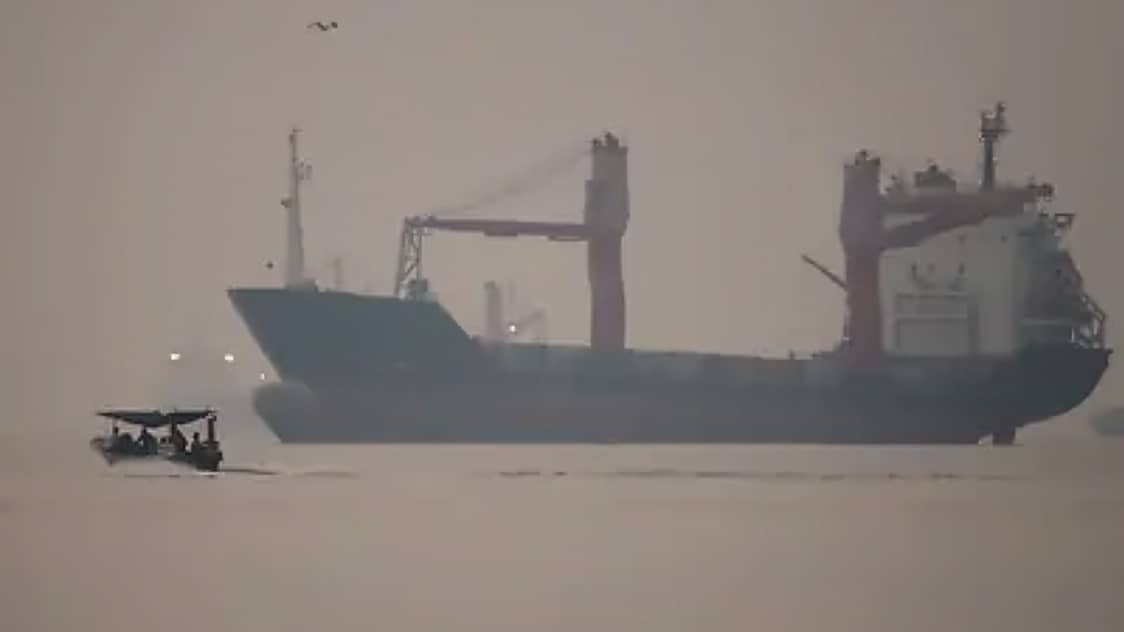
Reuters also reported that Iran's Islamic Revolutionary Guard Corps had been using unarmed personnel in small boats to help identify potential targets, reflecting changes in how its maritime operations are conducted. Details about the full extent of these methods remain limited.
The reported changes come as the conflict has placed pressure on Iran's military capabilities. They also illustrate how maritime operations can become an important part of a broader confrontation involving military power, economic pressure and strategic geography.
The allegations and reported tactics should be understood in the context of ongoing hostilities. Independent verification of individual incidents remains important, particularly where responsibility for an attack has not been conclusively established.
Connection With the US Midterm Elections
The timing of the reported strategy has drawn attention because the United States is approaching its midterm elections on November 3. The elections will determine control of seats in Congress and could influence the domestic political environment in which the Trump administration manages its foreign policy.
Higher oil prices can have consequences for American households and businesses. Rising fuel costs may increase transportation expenses, affect consumer spending and add to concerns about inflation. Energy prices can therefore become a politically sensitive issue during an election campaign.
Reuters reported that Iranian officials see maritime pressure as a way to influence Washington and maintain elevated oil prices. The suggestion that Tehran intends to use the energy market to affect the political climate ahead of the elections is an assessment attributed to the officials and reporting, rather than a conclusion independently established by the election itself.
The strategy may also be intended to strengthen Iran's bargaining position in its confrontation with the United States. By threatening a key international shipping route, Tehran can increase the economic costs associated with the conflict.
Nevertheless, the ultimate political impact remains uncertain. Oil prices are influenced by several factors, including production decisions, global demand, inventories, shipping disruptions and developments in other energy-producing regions.
Oil Prices and Global Energy Markets
The latest maritime tensions have already affected oil-market sentiment. Reuters reported on October 14 that Brent crude futures rose to approximately 106.03 dollars per barrel, while US West Texas Intermediate crude reached around 94.42 dollars per barrel during early trading.
The increases followed reports of attacks on commercial vessels in the Strait of Hormuz and concerns over Iran's revised maritime tactics. These prices represent market levels reported at a particular time and should not be treated as current prices beyond that trading period.
A sustained disruption could increase the cost of transporting oil and raise insurance premiums for vessels operating in high-risk areas. If shipments are delayed or reduced, energy traders may also demand higher prices to account for the possibility of tighter supplies.
For countries that import substantial quantities of crude oil, including India, a prolonged increase in international oil prices could raise the cost of imports. Depending on the duration and scale of the increase, the effects could extend to domestic fuel prices, transport costs and inflation.
However, the final impact on Indian consumers would also depend on exchange rates, government tax decisions, domestic pricing policies and the response of oil companies. Higher international crude prices do not automatically translate into an immediate or identical increase in every domestic fuel price.
Security Concerns Beyond the Strait
The reported expansion of Iranian maritime operations has raised questions about the safety of commercial shipping across a wider part of the Gulf region. Attacks on tankers and container ships can endanger crews, damage vessels and disrupt cargo deliveries.
Shipping companies may respond by changing routes, delaying voyages or introducing additional security measures. Such decisions can increase operating expenses and extend delivery times.
The United Kingdom Maritime Trade Operations organisation has been among the agencies reporting incidents involving commercial vessels in the region. Its incident reports provide important information for shipping operators, although responsibility for an attack may remain uncertain until further evidence becomes available.
The United States and regional partners face the challenge of protecting maritime traffic without escalating the conflict further. Naval patrols, shipping advisories and coordination with commercial operators may help reduce risks, but no single measure can guarantee complete protection during an active conflict.
What Happens Next?
The situation will depend on whether Iran continues to expand its maritime operations, how the United States responds and whether diplomatic efforts can reduce tensions. Further attacks or restrictions on shipping could intensify pressure on energy markets and increase concerns about international trade.
The November 3 US midterm elections provide an important political backdrop, but the broader consequences of the conflict extend well beyond American domestic politics. Countries dependent on Gulf energy supplies, international shipping companies and global financial markets are all exposed to the effects of prolonged instability.
For now, the reported change in Iran's maritime tactics highlights the strategic importance of the Strait of Hormuz and the potential for regional conflict to affect the global economy. Further official statements and independently verified maritime reports will be necessary to establish how the strategy develops and whether it produces the political and economic pressure Tehran reportedly seeks.