Trump Says There Is No Rush to Decide on Resuming Military Action Against Iran
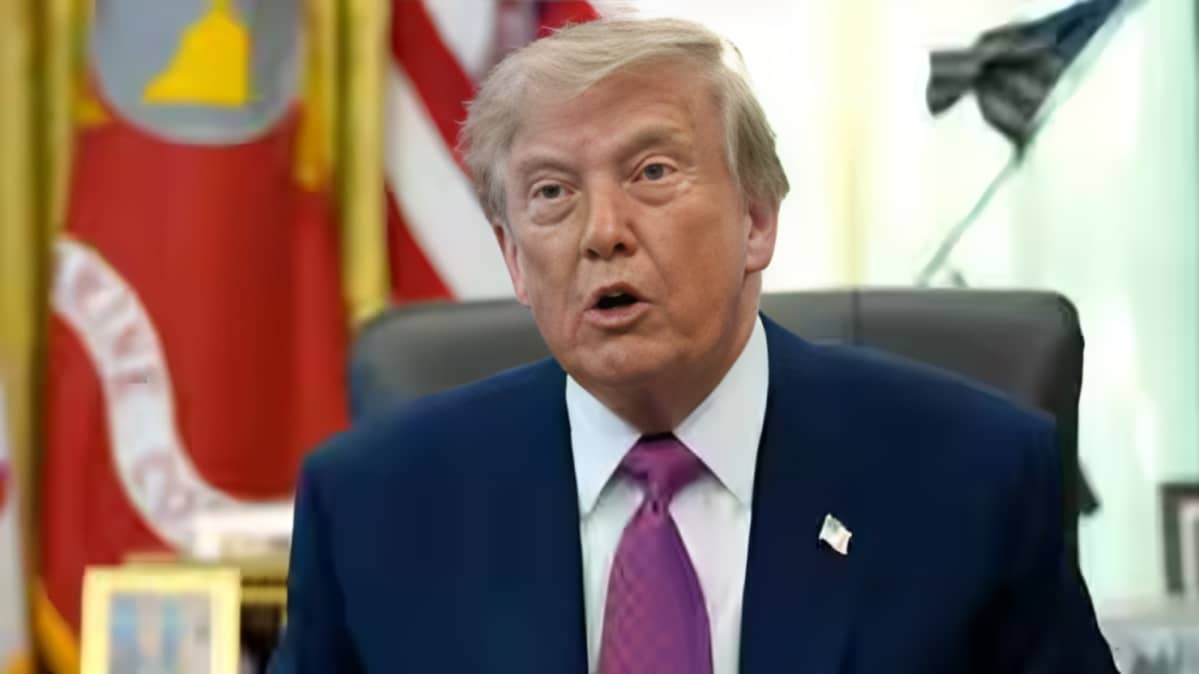
US President Donald Trump has said that his administration is in no hurry to decide whether to resume military operations against Iran, indicating that Washington is prepared to allow diplomatic efforts more time before determining its next move.
In a telephone interview with Axios on November 2, Trump said the United States would take action one way or another but insisted that there was no immediate urgency. He also claimed that American pressure had severely weakened Iran's financial position and that the country's population was becoming increasingly frustrated with the economic situation.
His remarks come amid continuing diplomatic efforts to reach an agreement between Washington and Tehran. Qatar is playing an important mediating role, with discussions reportedly focused on confidence-building measures that could help restart direct negotiations between the two countries.
Trump Says Economic Pressure Has Weakened Iran
During the interview, Trump argued that the United States had placed significant economic pressure on Iran. He claimed that Tehran was facing serious financial difficulties, including problems related to fuel availability and the wider economy.
Trump suggested that the pressure campaign was influencing Iran's willingness to negotiate. According to him, the Iranian leadership was now more interested in reaching an agreement than it had been previously.
However, these assessments were statements made by the US president and should be understood as his administration's position. The extent of the economic impact and its influence on Iran's negotiating strategy remain subjects of wider political and diplomatic discussion.
Trump also indicated that his administration was continuing communication with Iranian representatives. He described the discussions as progressing but suggested that Washington was not satisfied with the pace of the diplomatic process.
The president's comments leave open the possibility of different outcomes. His administration could continue negotiations, maintain economic pressure or consider renewed military action if diplomatic efforts fail.
Qatar Continues Mediation Between Washington and Tehran
Diplomatic efforts have continued through Qatar, which has been working to bring the United States and Iran closer to a possible agreement.
According to reports, Qatari mediators have prepared a draft proposal outlining a three-day sequence of confidence-building measures. The proposed steps are intended to create conditions for restarting direct negotiations between Washington and Tehran.
A diplomat familiar with the discussions said that the mediators were waiting for responses from both sides. The proposal is expected to address the initial steps required to rebuild confidence and move towards a broader diplomatic understanding.
Qatari officials have continued engaging with Iranian representatives as part of these efforts. The mediation process is particularly important because the United States and Iran have several major disagreements, including military security, nuclear issues and the conditions required to end the conflict.
The proposed framework does not necessarily mean that an agreement has been reached. Both governments would need to consider the terms and decide whether they are acceptable before formal negotiations could make further progress.
Different Views Within the Trump Administration
The Axios report also indicated that officials and advisers within the Trump administration hold different views about the next steps in dealing with Iran.
One group is reportedly encouraging the president to pursue a negotiated settlement. Vice President JD Vance and US envoy Steve Witkoff were described as favouring diplomacy, with concerns that restarting military operations might not produce a better outcome.
Another group supports a tougher military approach. Israeli Prime Minister Benjamin Netanyahu and US Defence Secretary Pete Hegseth were reported to favour renewed military action, arguing that Iran should not be trusted to reach or maintain a lasting agreement.
A further position involves continuing economic pressure without immediately returning to military operations. Treasury Secretary Scott Bessent, CIA Director John Ratcliffe and Secretary of State Marco Rubio were reported to support maintaining pressure on Tehran while assessing whether it would lead to further concessions.
These reported differences illustrate the competing options facing the White House. The president must weigh the possibility of a diplomatic settlement against the risks and consequences of renewed military action.
The positions attributed to individual officials are based on reporting about internal discussions and do not necessarily represent a final decision by the administration.
Iran Signals Willingness to Continue Diplomatic Discussions
Iranian officials have also made statements indicating that diplomatic engagement remains possible.
Iranian President Masoud Pezeshkian said that the country's leadership had granted the government certain authorities to pursue an agreement through diplomatic channels.
Iranian Foreign Minister Abbas Araghchi said diplomatic exchanges had become more intensive. He also acknowledged the active involvement of Qatar and Pakistan in efforts to facilitate discussions.
Araghchi said Iran had presented its conditions and proposals and indicated that the possibility of restarting negotiations depended on Washington's willingness to engage in what Tehran considers genuine diplomacy.
At the same time, he warned that Iran would respond if it believed the United States was using diplomatic discussions as a cover for further military operations.
Iran has also linked the resumption of negotiations to disagreements over the Strait of Hormuz. The strategic waterway is important to international energy transportation, making its security and accessibility significant concerns for countries around the world.
The differing conditions set by Washington and Tehran remain a major obstacle to reaching a comprehensive agreement.
Russia and China Also Involved in Diplomatic Efforts
The diplomatic situation has attracted the attention of other major international powers, including Russia and China.
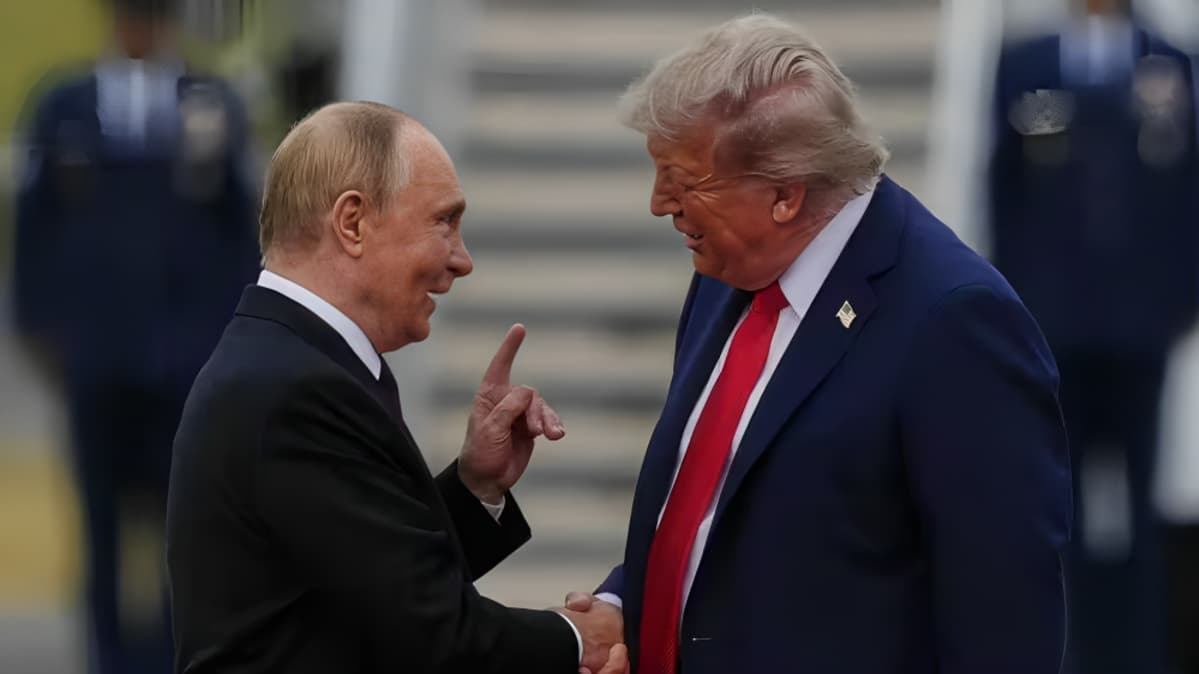
Reports indicate that Russian President Vladimir Putin has discussed diplomatic efforts with Iranian officials. Russia has also expressed willingness to participate in discussions related to a possible nuclear agreement, including proposals concerning Iran's enriched uranium stockpile.
China has also encouraged Washington and Tehran to resume direct negotiations. Beijing has an interest in regional stability because tensions in the Middle East can affect international trade, energy supplies and broader economic relations.
The involvement of multiple countries demonstrates that the Iran issue has consequences beyond the immediate relationship between Washington and Tehran.
However, international diplomatic support alone may not be enough to produce an agreement. The United States and Iran must still resolve their differences over security guarantees, nuclear activities, economic pressure and regional military arrangements.
Military Action Remains an Option
Although Trump has indicated that he is willing to give diplomacy more time, he has not ruled out taking further action against Iran.
His statement that the United States would act one way or another suggests that the administration is keeping its options open. This includes continuing negotiations while maintaining the possibility of renewed military operations.
The decision is particularly important because another round of military action could increase instability across the Middle East. It could also affect energy markets, international shipping routes and relations between countries involved in the conflict.
For now, Trump's comments suggest that Washington is not setting an immediate deadline for deciding whether to restart military operations. The administration appears to be assessing the progress of diplomatic discussions while maintaining pressure on Tehran.
What Happens Next
The next stage will depend largely on the responses from Washington and Tehran to the proposal being discussed by Qatari mediators. If both sides accept the initial confidence-building measures, direct negotiations could resume.
However, major differences remain over the terms of an agreement, Iran's nuclear programme, regional security and the future of the Strait of Hormuz.
Trump's latest remarks indicate that the United States is prepared to wait for diplomatic progress before making a final decision on renewed military action. Whether the negotiations can produce a lasting agreement remains uncertain.
The coming diplomatic discussions will therefore be important in determining whether Washington and Tehran move towards a settlement or face another period of military escalation.