Tucker Carlson Claims Netanyahu Is Pressuring Trump Over Possible Nuclear Strike on Iran
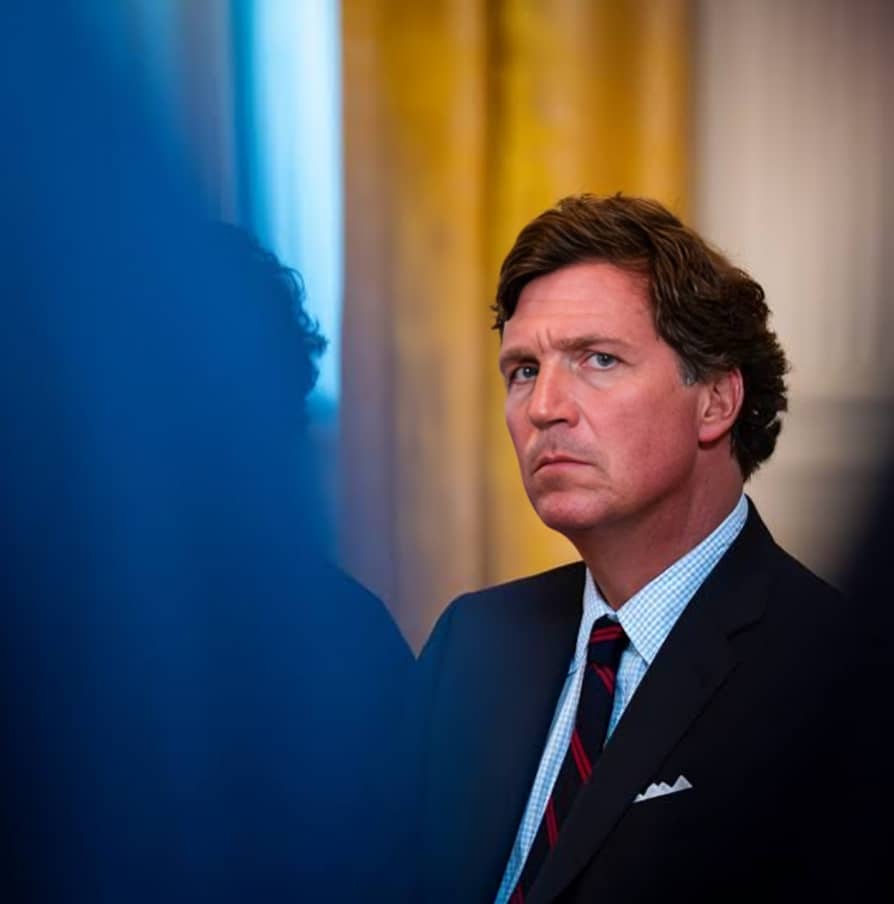
US political commentator Tucker Carlson has raised concerns about the escalating tensions between the United States, Israel and Iran, claiming that Israeli Prime Minister Benjamin Netanyahu is pressuring US President Donald Trump to consider a nuclear strike against Iran. Carlson has also suggested that Trump is hesitant about taking such a step and that diplomatic negotiations could still prevent further military escalation.
In a lengthy post on social media platform X on November 2, Carlson alleged that the Trump administration could make a decision about a possible nuclear attack within days. He identified an underground Iranian facility known as Pickaxe Mountain as a potential target.
However, Carlson did not provide independently verifiable evidence to support his allegations. Neither the White House nor the Israeli government has publicly confirmed that Netanyahu is pressing Trump to authorise a nuclear strike.
Carlson's Allegations About Netanyahu
Carlson claimed that Netanyahu has repeatedly urged Trump to consider military action against Iran. He referred to an unnamed source who allegedly said that the Israeli prime minister regularly contacts the US president to discuss the possibility of an attack.
According to Carlson, Netanyahu wants the United States to take military action against an underground Iranian nuclear facility. He argued that the Israeli leader is seeking continued American involvement in the conflict.
Carlson also linked the alleged pressure to Netanyahu's domestic political situation following recent elections in Israel. He claimed that Netanyahu faces difficulties in securing the political support required to form a government and suggested that maintaining close relations with Trump could be important to his political future.
These statements represent Carlson's interpretation of the political situation. The claims about Netanyahu's motives and alleged pressure on the US president have not been independently established.
Pickaxe Mountain Identified as a Possible Target
One of the main points in Carlson's statement concerns Pickaxe Mountain, an underground facility in central Iran.
Carlson claimed that the location contains underground tunnels associated with Iran's nuclear programme. He alleged that the facility is protected by a substantial layer of granite, making it difficult to reach using conventional weapons.
Based on this assessment, Carlson argued that a nuclear weapon could be considered if the United States decided to destroy the underground infrastructure. He further claimed that Israeli intelligence believes Iran has resumed uranium enrichment activities at the location.
However, these claims about the facility, its current activities and the possible use of nuclear weapons have not been independently verified through the information available in his statement.
The possibility of a nuclear strike remains an allegation made by Carlson rather than a confirmed US military decision or publicly announced policy.
Trump Has Not Announced a Decision to Use Nuclear Weapons
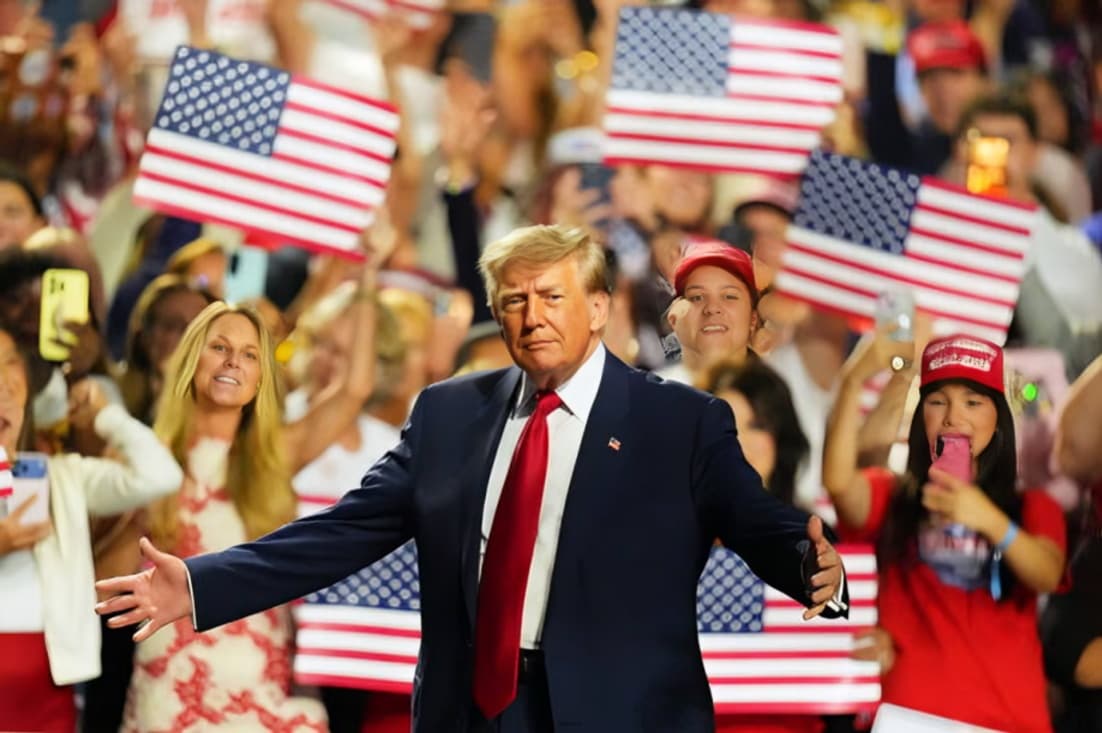
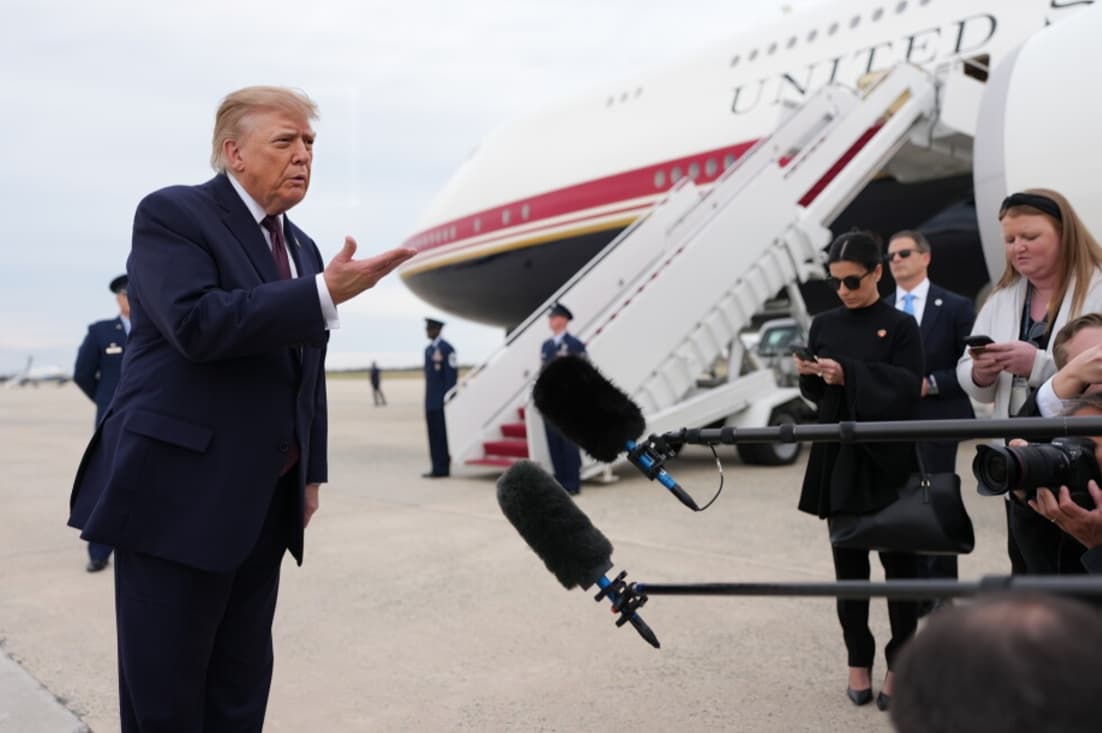
President Donald Trump has made several statements about the possibility of renewed military action against Iran. He has also referred to specific Iranian nuclear facilities while discussing the conflict.
At the same time, Trump has indicated that he would prefer a diplomatic outcome if an agreement could be reached. Recent reports have described his position as a combination of continued pressure on Iran and an interest in allowing negotiations to proceed.
Carlson claimed that Trump was listening to advisers, including Vice President JD Vance and US envoy Steve Witkoff, who believe that an agreement with Iran remains possible.
The commentator described the president as hesitant about authorising a nuclear strike. However, there has been no official confirmation that the Trump administration is actively preparing to use nuclear weapons against Iran.
The distinction between military threats, conventional military planning and a decision to use nuclear weapons is important. Carlson's claims should therefore not be interpreted as confirmation that such an operation has been approved.
US-Iran Diplomatic Efforts Continue in Doha
Carlson's comments come at a time when diplomatic efforts involving the United States and Iran are continuing through regional mediators.
Qatari officials have been involved in discussions aimed at bringing Washington and Tehran closer to an agreement. Iranian representatives have also participated in meetings in Doha as efforts continue to reduce tensions and explore the possibility of renewed negotiations.
Iranian Foreign Minister Abbas Araghchi has indicated that Tehran remains interested in diplomatic efforts but has also stressed that an agreement has not yet been reached.
The negotiations are important because further military escalation could affect regional security, international trade and energy supplies. The Strait of Hormuz, through which a significant share of global oil shipments passes, remains particularly important to the wider economic situation.
The continuation of diplomatic discussions suggests that negotiations remain part of the broader effort to address the conflict, even as military tensions continue.
Carlson Warns of Regional and Global Consequences
Carlson has also warned that a nuclear attack on Iran could have serious consequences beyond the immediate conflict.
He argued that radioactive contamination from a ground-level nuclear explosion near an underground facility could threaten the environment and water supplies across parts of the Persian Gulf region.
He further raised concerns about the potential impact on neighbouring countries, global energy markets and international trade. According to Carlson, another major escalation could deepen existing economic difficulties and create additional uncertainty for countries dependent on Gulf energy supplies.
These warnings reflect his assessment of the possible consequences of a nuclear attack. The specific contamination projections and figures cited in his statement have not been independently verified.
Any nuclear use would carry serious humanitarian, environmental and geopolitical risks. The possible consequences would depend on the weapon, location, weather conditions and other factors.
US-Israel-Iran Tensions Remain a Major International Concern
The relationship between Washington, Tel Aviv and Tehran remains a central issue in international security discussions. Israel has repeatedly expressed concerns about Iran's nuclear programme, while Iran has defended its nuclear activities and opposed foreign military intervention.
The United States has been involved in efforts to address the dispute through diplomatic and military channels. Its decisions could have significant consequences for security across the Middle East.
Carlson's latest allegations have added to the public debate over the possibility of renewed military action. However, his claims about Netanyahu's pressure and a potential nuclear strike remain unverified.
For now, diplomatic discussions involving regional mediators continue, while the Trump administration has not publicly announced a decision to use nuclear weapons against Iran.
The situation remains closely watched by governments and international observers because any further escalation could affect regional stability, civilian safety and the global economy. Further developments will depend on the outcome of diplomatic negotiations and decisions taken by the governments involved.