Several senior officials in US President Donald Trump's administration have moved into military bases or heavily protected government housing amid growing security concerns and reported threats linked to Iran. US Attorney General Todd Blanche is among the officials living in military accommodation, while Treasury Secretary Scott Bessent recently relocated following reported threats to his safety.
According to a NewsNation report cited by Hindustan Times, Blanche has been living on a US military base since early 2026. His relocation reportedly followed security concerns that included threats from Iran. The development has attracted attention because several other senior members of the Trump administration have also chosen military or protected residences instead of their private homes.
Todd Blanche's Security Arrangements
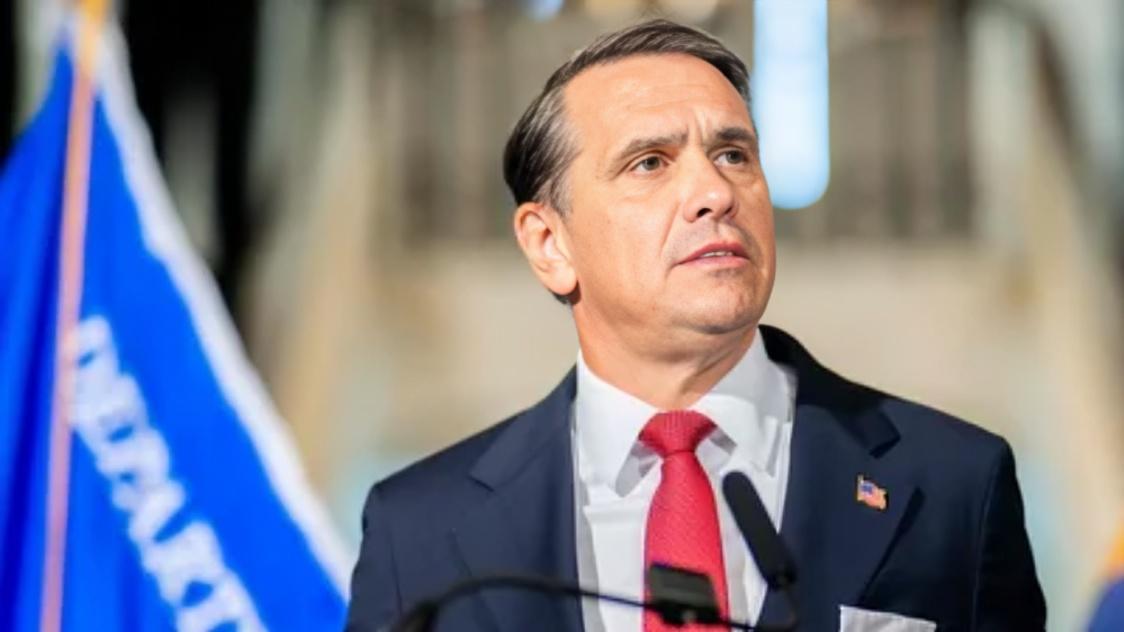
Todd Blanche, who serves as the US Attorney General, is responsible for leading the Department of Justice and overseeing federal law enforcement matters. Given the sensitive nature of his position, he receives security protection from the Federal Bureau of Investigation.
Reports indicate that Blanche has been living on a military installation since the beginning of 2026. His relocation is associated with concerns about his personal safety, including reported threats connected to Iran.
The FBI provides executive protection to the Attorney General. However, the bureau has not publicly disclosed specific details about the threats or the security arrangements made for Blanche. The Justice Department has also not provided further information about the reported move.
The relocation reflects the security challenges faced by senior government officials, particularly those involved in sensitive national security and foreign policy decisions.
Scott Bessent Recently Moves to Military Housing
US Treasury Secretary Scott Bessent is another senior Trump administration official who has recently moved to a military base. His relocation has been linked to reported threats against his life, including concerns involving Iran.
According to reports, Bessent moved from his private residence in Washington, DC, to military accommodation after security concerns increased. The move was reported by The New York Times and subsequently confirmed through sources familiar with the matter cited by Reuters and the Associated Press.
One factor reportedly contributing to the security concerns was a newspaper report published in 2025 that included an aerial photograph of Bessent's $12.5 million Georgetown residence. Sources familiar with the matter said the image made it possible to identify the location of his property.
The relocation also comes amid Bessent's involvement in the Trump administration's economic pressure campaign against Iran. Since August 2026, he has played a leading role in implementing financial restrictions and sanctions intended to weaken Tehran's economic position.
The US Treasury Department has stated that Bessent will not be deterred by threats and remains committed to carrying out the administration's economic measures against Iran.
Marco Rubio and Pete Hegseth Stay at Fort McNair
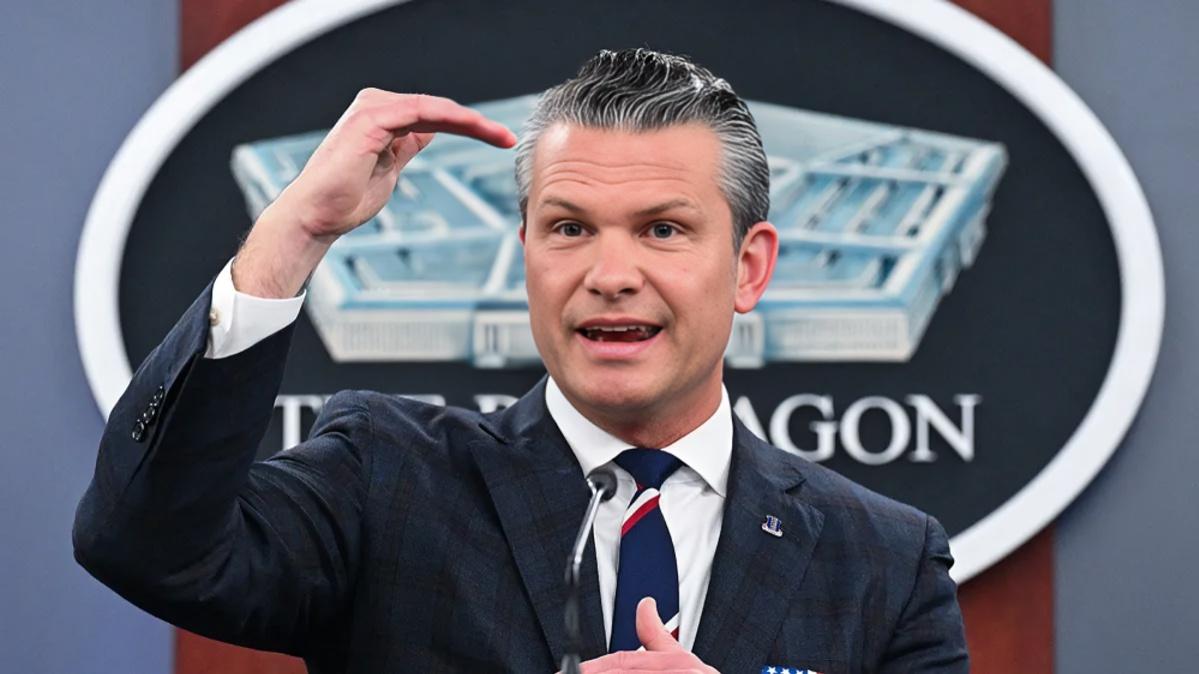
US Secretary of State Marco Rubio and Defence Secretary Pete Hegseth are also among the senior officials living in military housing.
Both are reported to be staying at Fort McNair, a military installation in Washington, DC. Their residences are located in an area known as Generals' Row.
Fort McNair has traditionally been associated with military personnel and senior officers. However, the presence of several high-ranking political officials has brought additional attention to the installation.
Rubio and Hegseth are responsible for major areas of US government policy. Rubio oversees diplomatic relations and foreign policy, while Hegseth leads the Department of Defence. Their positions place them at the centre of national security decisions, particularly during periods of international conflict and diplomatic tension.
The decision to use military accommodation provides access to a more controlled security environment. It also allows authorities to coordinate protective arrangements around senior officials.
Stephen Miller Also Moves to Protected Housing
Stephen Miller, who serves as White House Chief of Staff, is another Trump administration figure reported to have moved into military housing.
Reports indicate that Miller relocated to protected accommodation at Fort McNair in September 2025 after facing alleged harassment and security concerns at his private residence in Virginia.
Miller has been an influential figure in the Trump administration, particularly on immigration and domestic policy. His move added to the growing number of senior officials using military installations or secure government properties as their residences.
Former Trump administration officials Kristi Noem and Pam Bondi have also reportedly stayed in military or heavily guarded government accommodation during their respective tenures.
These developments indicate that the use of secure housing has extended beyond officials directly involved in military operations or intelligence activities.
Why Are US Officials Moving to Military Bases?
The reported relocations are linked to concerns about personal security. Senior government officials may face threats because of their policy decisions, public positions or involvement in international disputes.
The situation has become particularly sensitive amid tensions between Washington and Tehran. US intelligence officials have reportedly warned about possible Iranian efforts to target American personnel and citizens.
Bessent's role in the economic pressure campaign against Iran has reportedly increased concerns about his safety. The sanctions programme targets financial networks and organisations connected to Tehran, with the objective of limiting Iran's international economic activities.
The US administration has also maintained pressure through restrictions on financial transactions and measures affecting Iran's trade and shipping activities.
However, Iran has previously denied plotting attacks against US officials or individuals on American soil. US officials have also indicated that Iran's capacity to carry out large-scale attacks overseas remains limited.
Therefore, the reported threats should be understood as security assessments and allegations rather than evidence that an attack is imminent.
Military Housing and Security Concerns
Military installations offer several security advantages compared with ordinary private residences. They generally have controlled entry points, security personnel, surveillance systems and established emergency response arrangements.
For officials facing potential threats, such locations can provide a more secure environment. They also allow government security agencies to coordinate protection more effectively.
However, the growing number of political officials living in military housing has raised questions about the availability of accommodation for military personnel.
Earlier reports highlighted concerns that the use of military residences by civilian government officials could place additional pressure on housing resources intended for uniformed officers and their families.
The issue has therefore attracted attention not only because of the reported threats but also because of the practical challenges associated with accommodating senior political officials on military installations.
What Happens Next?
The relocations underline the security challenges facing the Trump administration amid continuing tensions with Iran. Todd Blanche, Scott Bessent, Marco Rubio, Pete Hegseth and Stephen Miller are among the senior officials reported to be using military or protected housing.
While the reasons and timing of their relocations differ, concerns about personal safety remain a common factor in several cases.
For now, US authorities have not publicly disclosed detailed information about the specific threats against each official. Security arrangements are also likely to remain confidential because of their sensitive nature.
The situation highlights how international tensions can affect the daily lives and security arrangements of senior government leaders. As Washington continues its diplomatic and economic pressure on Tehran, the safety of officials involved in these policies is expected to remain an important concern.