US Deploys 600 Troops to Panama, Colombia and Honduras as Trump Expands Anti-Drug Campaign
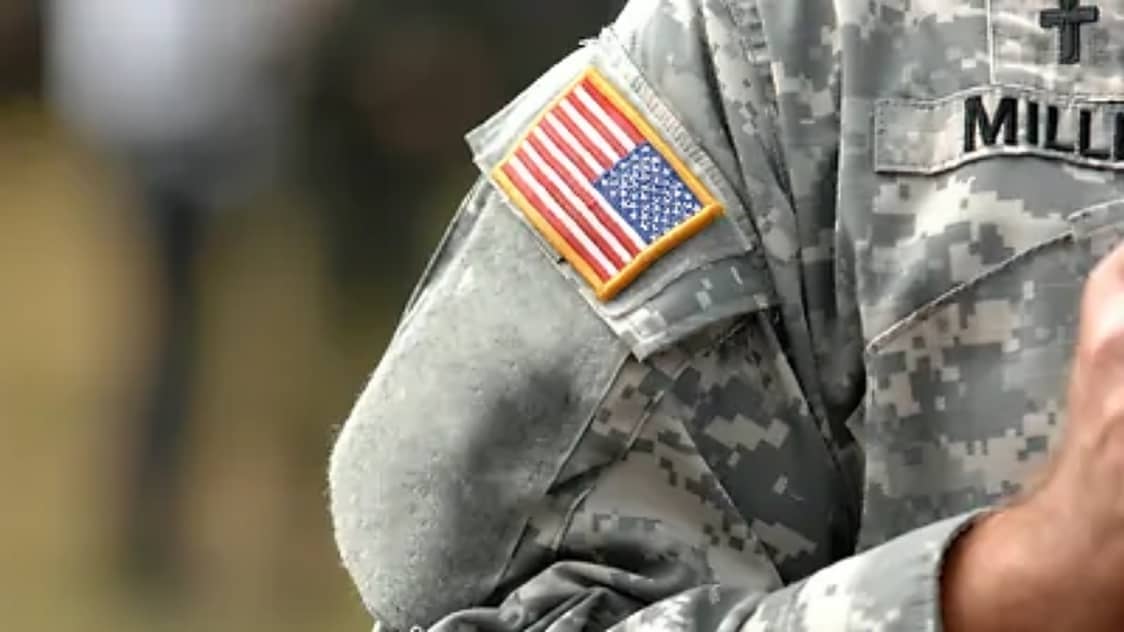
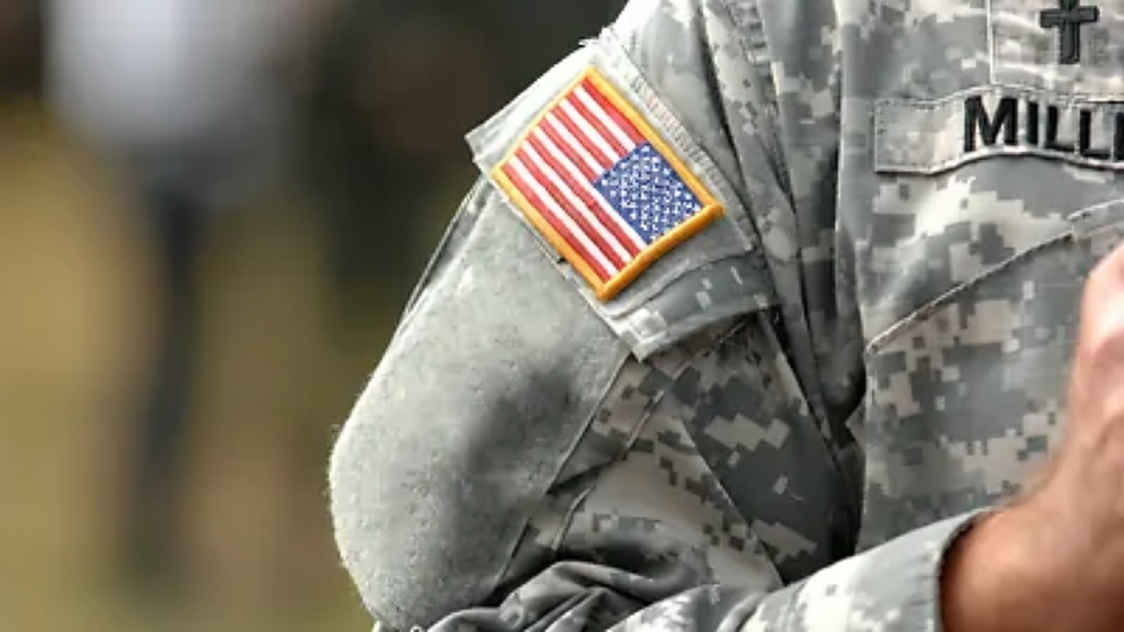
Washington: The United States has begun deploying hundreds of Army soldiers to Latin America as President Donald Trump’s administration expands its military campaign against drug-trafficking networks. The deployment involves approximately 600 soldiers from the US Army’s 10th Mountain Division, with plans for training activities in Panama, Colombia and Honduras.
According to a report by The New York Times published on October 14, 2026, the first troops have started moving to a jungle training facility in Panama. The deployment is expected to continue with joint exercises involving regional military forces in Colombia and Honduras.
The move comes as Washington seeks to strengthen cooperation with Latin American governments to disrupt drug-trafficking organisations and other criminal networks. However, the growing military presence has raised questions about the campaign’s objectives, the risks to civilians and the possible consequences of expanding US operations in the region.
US Army Troops to Train in Three Countries
The deployment involves a battalion from the 10th Mountain Division, which is based at Fort Drum in New York. US military officials cited in the report said the soldiers would initially participate in jungle training activities in Panama before moving on to exercises with partner forces in Colombia and Honduras.
Some of the personnel could also support US Special Operations troops who advise regional militaries during operations against suspected drug traffickers. Other possible responsibilities include providing additional security for US helicopters operating in support of military teams.
The deployment is being organised through temporary rotations. However, officials indicated that such deployments could become a more regular feature of the US military’s presence in Latin America.
The Pentagon has not publicly confirmed every operational detail of the reported troop movements. In a statement cited in reporting on the deployment, the department said it remained committed to working with regional allies and partners to strengthen cooperation and maintain pressure on security threats across the Western Hemisphere.
Why the Trump Administration Is Expanding Its Campaign
The Trump administration has made combating drug trafficking a major national security priority. US officials argue that international criminal organisations pose a threat to American communities by moving illegal drugs across borders and operating transnational criminal networks.
Washington has increased military cooperation with several Latin American countries, including through joint exercises, intelligence sharing and support for regional security forces.
The administration has also sought to expand its approach beyond maritime operations. In recent months, US officials have discussed extending military pressure against suspected trafficking networks from the sea to land-based operations conducted with partner governments.
The expanded strategy reflects a broader effort to disrupt the production, transportation and distribution of illegal drugs before they reach the United States. It also represents a more assertive approach to US security policy in the Western Hemisphere.
However, military deployment is only one part of the wider fight against drug trafficking. Criminal organisations often operate through complex international networks involving production facilities, transport routes, financial channels and local intermediaries. Experts have questioned whether military force alone can significantly reduce the overall flow of illegal drugs without complementary law-enforcement, financial and public-health measures.
Colombia and Honduras Strengthen Military Cooperation
Colombia and Honduras are expected to host training activities involving US personnel as part of the deployment. The exercises are intended to strengthen cooperation between American troops and local military forces.
Colombia has a long history of security cooperation with the United States, including assistance and training aimed at combating armed groups and drug trafficking. Honduras has also cooperated with Washington on regional security issues.
The planned exercises come as the Trump administration encourages governments in the region to increase pressure on criminal organisations. US officials have argued that closer coordination between partner militaries can improve their ability to respond to cross-border security threats.
Nevertheless, joint military activity on national territory can raise sensitive questions about sovereignty and the extent of foreign involvement in domestic security operations. The presence of US personnel may also become politically controversial if their responsibilities expand beyond training and advisory roles.
The precise scope of the activities planned in each country remains dependent on operational arrangements and cooperation with the relevant governments.
Panama's Strategic Importance
Panama is an important location for regional security cooperation because of its position between Central and South America and its role in international maritime transport.
The country's waterways and surrounding maritime routes are strategically significant for global trade. Authorities in the region also face challenges involving the movement of illegal drugs and other contraband through land and sea corridors.
The jungle training facility will allow US troops to conduct exercises in terrain that resembles environments where regional security forces may operate. Training in such conditions can help military personnel develop navigation, communications and coordination skills.
The initial deployment to Panama will also provide an opportunity for American soldiers to work alongside regional partners before proceeding to further exercises elsewhere in Latin America.
Concerns Over Civilian Safety and Military Escalation
The expansion of the US campaign has raised concerns among human rights advocates and regional security analysts. Critics warn that a greater reliance on military force against suspected criminal groups could put civilians at risk, particularly when operations take place in populated areas.
Earlier US military operations against suspected drug-carrying vessels in the Caribbean and eastern Pacific have also faced scrutiny over the evidence used to identify targets and the legal basis for lethal force.
The prospect of extending operations onto land could create additional challenges. Military actions against suspected trafficking networks may take place in areas where criminal groups operate alongside civilian communities, increasing the importance of reliable intelligence and safeguards against civilian harm.
Some experts have also questioned whether the administration has clearly defined the campaign’s long-term goals. If US forces become directly involved in more dangerous operations, Washington could face pressure to increase its military commitment in response to attacks or other developments.
Such a situation could complicate relations with regional governments and make it more difficult to determine when the campaign has achieved its objectives.
A Wider US Military Strategy in Latin America
The deployment is part of a broader effort to strengthen the US military’s operational presence across the Western Hemisphere. The administration has increased cooperation with regional partners and established additional structures to coordinate military activities related to security threats.
US officials have also described the campaign as a response to the growing reach of transnational criminal organisations and the strategic competition for influence in Latin America.
However, the region has a long and complicated history of US military intervention. That history makes the presence of American troops politically sensitive, even when deployments are described as temporary training missions conducted with partner governments.
Regional governments must balance the potential benefits of US military assistance against domestic concerns about sovereignty, accountability and the consequences of a more militarised approach to law enforcement.
What Happens Next?
The immediate focus will be on completing the planned training activities in Panama and conducting joint exercises with forces in Colombia and Honduras. Some troops may also support US special operations personnel advising partner militaries.
It remains unclear whether the deployment will lead to a sustained increase in the number of American soldiers operating in the region or whether the rotations will remain limited to specific exercises and support missions.
The campaign’s broader impact will depend on whether military cooperation produces measurable results against drug-trafficking networks while limiting risks to civilians and respecting the laws of the countries involved.
For now, the deployment signals a significant expansion of the Trump administration’s regional security efforts. It also highlights the debate over whether a stronger military role can effectively disrupt drug trafficking without creating new security and political challenges across Latin America.