US Proposes Unfreezing Some Russian Assets to Revive Ukraine Peace Talks, Report Says
Washington: The United States has proposed that European countries unfreeze a portion of Russian sovereign assets frozen after Moscow launched its full-scale invasion of Ukraine in 2022 and transfer the funds to a financial mechanism overseen by Washington. The proposal is reportedly intended to help revive stalled peace negotiations between Russia and Ukraine.
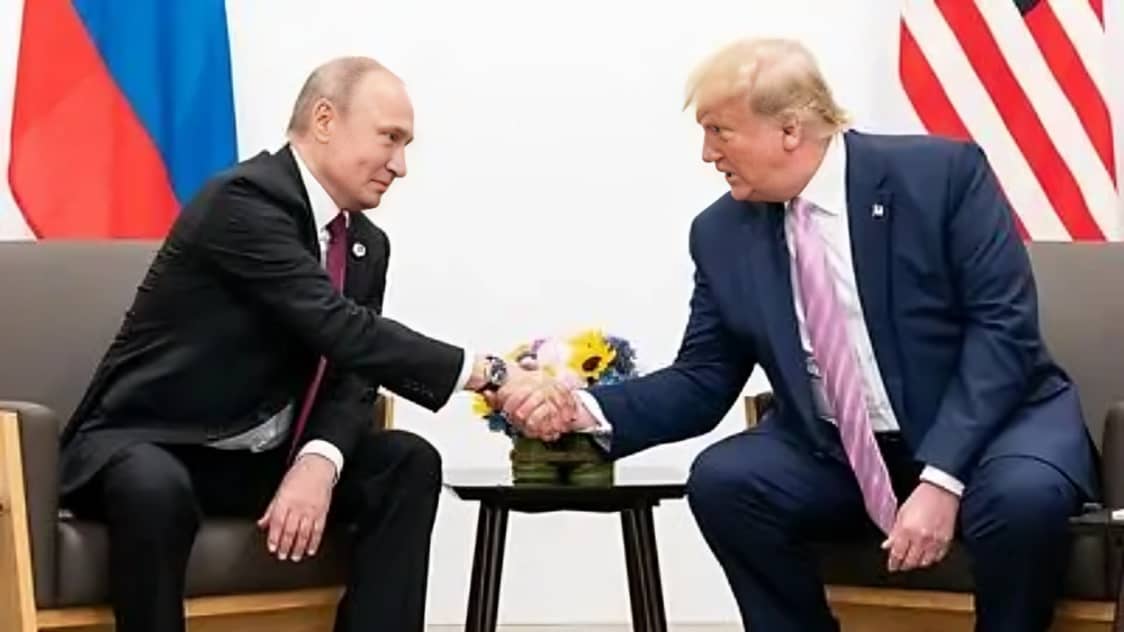
According to a report by the Financial Times published on October 14, US special envoy Steve Witkoff and Jared Kushner, son-in-law of US President Donald Trump, presented the proposal during discussions in Miami. The meetings reportedly involved officials from Ukraine, France, Germany, the United Kingdom, the European Union and NATO.
However, European representatives rejected the proposal, according to the report. Reuters reported that it could not independently verify the Financial Times account.
US Proposal Focuses on Frozen Russian Assets
The reported proposal involves releasing some of Russia's sovereign assets currently immobilised under Western sanctions and transferring them to a special-purpose financial vehicle supervised by the United States.
The US representatives reportedly discussed several possible mechanisms for releasing the funds. The proposal forms part of wider diplomatic efforts to bring Moscow and Kyiv back to the negotiating table after previous attempts to advance a peace agreement failed to produce a settlement.
A US official cited by the Financial Times said Russian assets had been discussed as part of a comprehensive peace agreement. However, the precise process for releasing the funds and deciding how they would be used remained under consideration.
The proposal does not amount to a confirmed agreement. It remains a reported diplomatic initiative, and its implementation would depend on further negotiations, legal considerations and decisions by the countries that currently hold or control the frozen assets.
Why European Countries Rejected the Proposal
European delegates reportedly opposed the idea of transferring control of the assets to a US-supervised mechanism. The proposal raised concerns about who would control the funds, how they might be used and whether the arrangement would affect Europe's existing approach to sanctions against Russia.
European countries have played a central role in freezing Russian sovereign assets since the invasion of Ukraine. A significant share of the frozen funds is held within the European Union, making European governments key participants in any decision concerning their future.
The issue is particularly sensitive because European countries have debated whether the assets should remain frozen, whether the income generated by them can be used to support Ukraine, and whether the principal amount could be used for reconstruction or other purposes under a future peace settlement.
The reported rejection highlights differences between Washington and some European partners over how Russian assets should feature in negotiations. While the United States is reportedly exploring the possibility of using asset arrangements as part of a broader diplomatic deal, European representatives have expressed opposition to relinquishing control of the funds.
Billions of Dollars in Russian Assets Remain Frozen
Following Russia's full-scale invasion of Ukraine in 2022, Western countries immobilised approximately 260 billion euros in Russian sovereign assets, according to reports. A large portion of the funds is held in the European Union, including at Euroclear, a major securities depository based in Belgium.
The assets largely consist of reserves belonging to Russia's central bank. Their immobilisation has become an important part of the international economic response to the war.
Western governments have also explored ways to use proceeds generated by the frozen assets to help finance Ukraine's defence and reconstruction. The Group of Seven countries have supported loans to Ukraine backed by extraordinary revenues arising from immobilised Russian assets. Using the underlying principal itself is a more controversial question and raises additional legal and financial issues.
The distinction between the assets and the income generated by them is important. Measures that use interest or extraordinary profits do not necessarily mean that the original Russian state funds have been released or transferred to another government.
Any decision to unfreeze the principal could have wider consequences for sanctions policy, international financial arrangements and future negotiations over compensation for war-related damage.
Ukraine and Its Western Partners Face Difficult Negotiations
The future of the frozen assets is one of several complicated issues in efforts to end the war. Other questions include territorial disputes, security guarantees for Ukraine, sanctions against Russia and the arrangements required to monitor and enforce any ceasefire.
Ukrainian officials reportedly discussed the asset issue with US representatives in previous meetings as well. However, the reported proposal has not established a final agreement on how the money would be handled or whether it would be included in a peace settlement.
The positions of Ukraine's partners are important because the assets are held across different jurisdictions and subject to national and regional legal frameworks. Any plan involving their release or transfer would require a clear agreement on authority, safeguards and the intended use of the funds.
The proposal also raises questions about whether unfreezing assets could provide Russia with an incentive to negotiate or whether it could weaken the financial pressure imposed by sanctions. Governments involved in the discussions would need to weigh these considerations against their broader diplomatic objectives.
What Happens Next?
The reported US initiative remains subject to diplomatic discussions, and no final agreement has been confirmed. European opposition represents a significant obstacle to the proposal, particularly because much of the frozen Russian sovereign wealth is held within Europe.
Further negotiations would need to address who would manage any released funds, what safeguards would apply and how the arrangement would fit into a comprehensive peace agreement. The parties would also need to clarify whether the money would be used for reconstruction, investment or another agreed purpose.
For now, the report points to continuing efforts by the Trump administration to explore financial incentives as part of a possible path towards renewed Ukraine peace talks. However, the reported European rejection shows that major differences remain over the future of Russia's frozen assets.
The next steps will depend on discussions between the United States, Ukraine and European governments, as well as any official announcements confirming whether the proposal is revised, withdrawn or developed into a formal agreement.