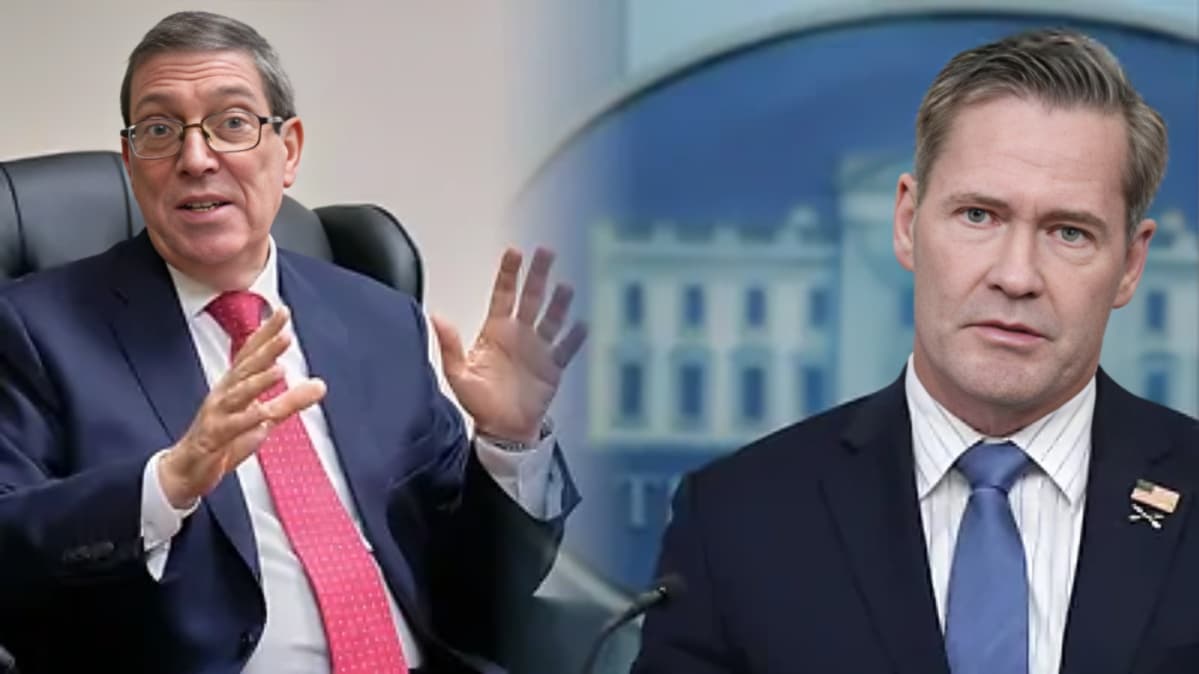
Marco Rubio Orders Expulsion of Cuban Diplomat After UN Confrontation
The United States has ordered the expulsion of a Cuban diplomat accused of pushing an American official during a heated confrontation at the United Nations General Assembly in New York. US Secretary of State Marco Rubio signed the expulsion documents, according to US Ambassador to the United Nations Mike Waltz, who announced the decision following the incident.
The confrontation took place on Tuesday, October 27, 2026, during a General Assembly debate involving the longstanding US economic embargo against Cuba. The dispute began after Waltz criticised the Cuban government and accused its leadership of benefiting from the country's political and economic system while ordinary citizens faced serious hardships. Cuban representatives strongly objected to his remarks, leading to a tense exchange inside the assembly hall.
Cuban Diplomat Accused of Pushing an American Official
The Cuban official has been identified in media reports as Richard Tur de la Concepción, the first secretary of Cuba's permanent mission to the United Nations. According to Waltz, the diplomat allegedly shoved or attempted to assault a member of the American delegation during the confrontation.
The incident reportedly occurred while JP Freire, a member of Waltz's team, was recording the argument on his mobile phone. Video footage shared by Waltz appeared to show the Cuban diplomat reaching towards Freire's phone and pushing it away. The Cuban official reportedly objected to the recording and accused the American diplomat of violating his personal space.
Waltz later discussed the incident during an interview with Fox News. He said Rubio had signed the paperwork to remove the Cuban diplomat from the United States and indicated that the official would be sent back to Havana within 24 hours.
The expulsion announcement reflects the US administration's decision to respond firmly to what it describes as unacceptable conduct towards American officials. However, the allegations should be distinguished from a formal legal finding, and the incident has not been independently established as a criminal offence in the reports cited here.
Heated Exchange Between US and Cuban Representatives
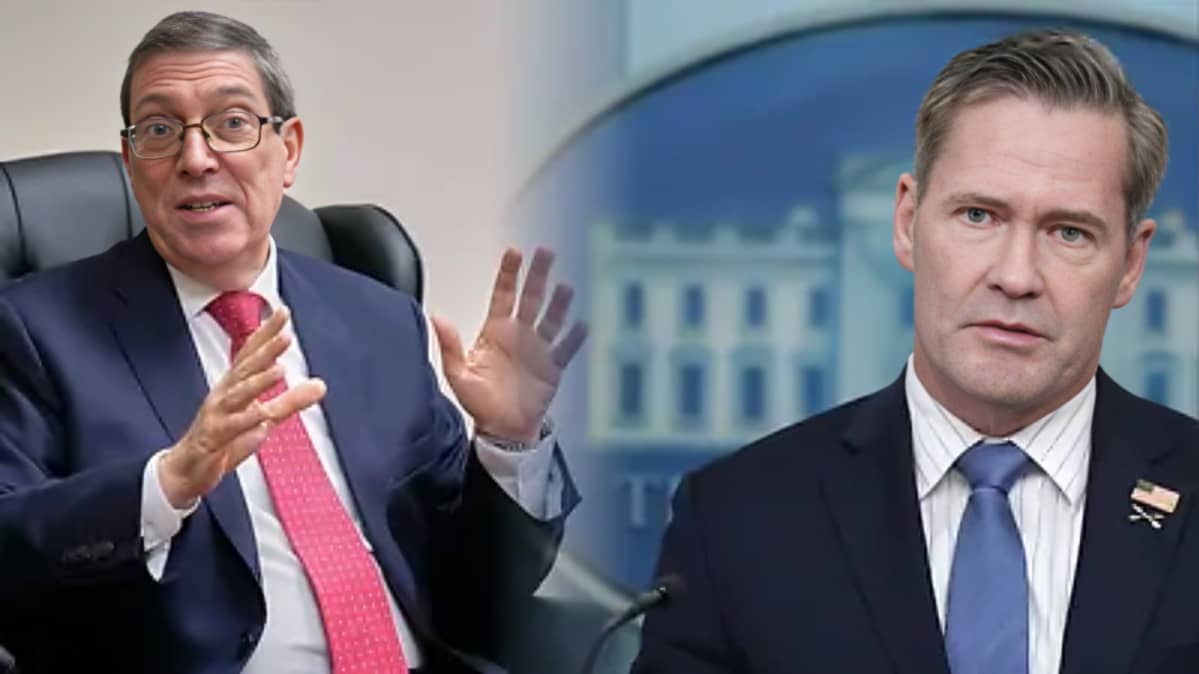
The incident involving the two diplomats followed a public argument between Waltz and Cuban Foreign Minister Bruno Rodríguez Parrilla during the General Assembly session.
While addressing the assembly, Waltz criticised Cuba's political leadership and presented photographs that he said illustrated the luxurious lifestyles of senior figures. He argued that the country's leadership was disconnected from the difficulties experienced by ordinary Cuban citizens.
Cuban officials strongly rejected his statements. Rodríguez Parrilla interrupted the speech and called for a point of order, arguing that Waltz's remarks were inappropriate and violated the dignity of the assembly.
The disagreement escalated as the Cuban foreign minister approached the area near the podium. Waltz demanded that Cuban representatives move back and accused them of attempting to intimidate him. Rodríguez Parrilla, in turn, accused the American ambassador of lying.
The exchange became so tense that the president of the General Assembly temporarily suspended the proceedings before allowing the Cuban foreign minister to raise his procedural objection. The confrontation attracted attention because diplomatic disagreements at the United Nations are generally expected to be handled through established procedures rather than personal confrontations.
Dispute Linked to the Longstanding US Embargo on Cuba
The confrontation occurred against the background of decades of strained relations between Washington and Havana. The United States has maintained an economic embargo against Cuba for more than 60 years, and the policy remains a major source of disagreement between the two governments.
Cuba has repeatedly called for the embargo to be lifted, arguing that US restrictions contribute to the country's economic difficulties. Washington, meanwhile, has defended its pressure campaign by criticising the Cuban government's political system and human rights record.
The United Nations General Assembly has traditionally supported resolutions calling for an end to the US embargo. These resolutions are not legally binding, but the votes provide an indication of the views of UN member states on the issue.
The latest confrontation took place just before another vote on a resolution concerning the embargo. This timing placed the public dispute within a broader diplomatic disagreement over US policy towards Cuba and the economic conditions facing the Caribbean nation.
US Government Signals a Firm Response
Waltz said the expulsion decision demonstrated that the US administration would not accept physical intimidation of its officials. He linked the action to the allegation that the Cuban diplomat had pushed an American member of the delegation while the latter was filming the confrontation.
The decision was announced by Waltz after Rubio signed the relevant documents, according to his public account. The announcement does not, by itself, establish whether further diplomatic measures or formal proceedings will follow.
The incident also highlights the growing role of recorded footage and social media in diplomatic disputes. Videos shared by officials can bring international attention to events inside diplomatic venues, but clips may not capture every detail or provide the full context of an incident. Assessments of the allegations therefore depend on the available footage, statements from the parties involved and any additional official information.
What Happens Next
The expulsion of the Cuban diplomat could add further strain to relations between the United States and Cuba at a time when the two countries remain divided over sanctions, economic restrictions and political differences.
The immediate issue is the US decision to remove the Cuban official following the alleged physical confrontation. The wider disagreement, however, extends beyond the incident and reflects continuing disputes over the embargo and the conduct of both governments at international forums.
Further developments may depend on how the Cuban government responds to the expulsion announcement and whether either side issues additional statements. For now, the central facts reported are that Rubio signed the expulsion documents, Waltz publicly announced the decision, and the allegation arose from a confrontation during the UN General Assembly debate.
The episode serves as a reminder that disputes between national representatives can quickly become international diplomatic issues, particularly when they occur at major multilateral institutions such as the United Nations.