The ongoing conflict in Yemen has taken a new political turn as Aidarous al-Zubaidi, a prominent separatist leader from the south, reportedly fled the country amid intensified Saudi-led coalition airstrikes. Al-Zubaidi heads the Southern Transitional Council, a group that has been demanding greater autonomy and even independence for southern Yemen.
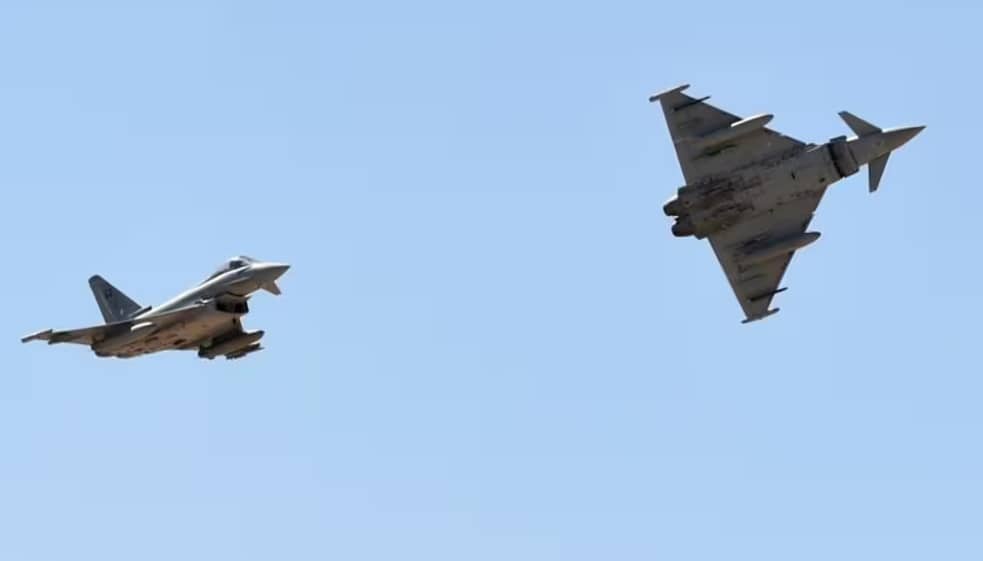
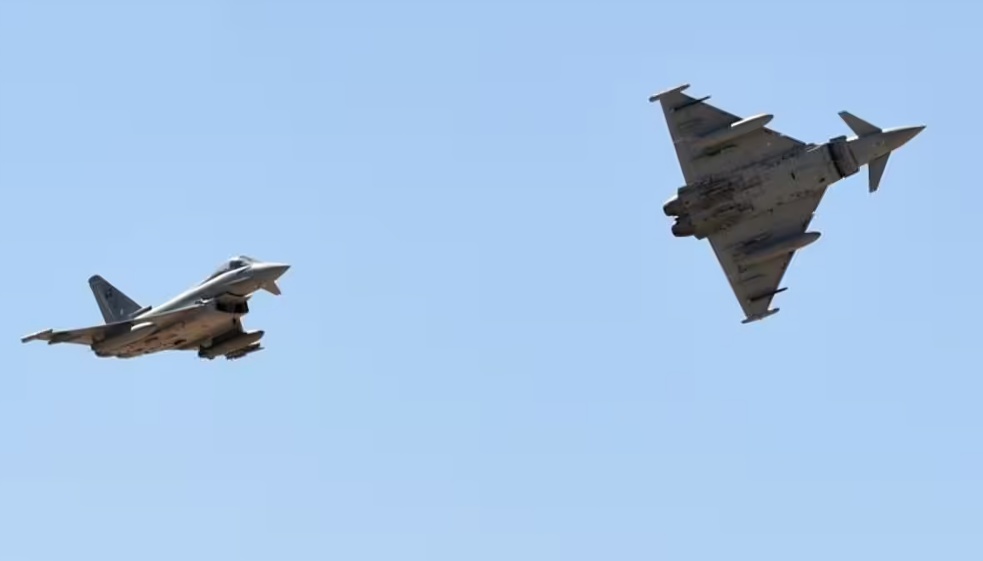
In recent days, the Saudi-led military alliance renewed its air campaign in several parts of Yemen after accusing Houthi rebels of violating ceasefire arrangements. The strikes were particularly heavy in areas controlled by the Southern Transitional Council. The escalation created panic among civilians and political leaders alike, exposing once again the unstable nature of Yemen’s security environment.
Aidarous al-Zubaidi was expected to play a key role in planned reconciliation and peace talks scheduled to be held in Saudi Arabia. These talks were meant to bring together various Yemeni factions to discuss power-sharing and the future governance structure of the country. However, sources close to the Council said that al-Zubaidi did not board his commercial flight to Riyadh as earlier arranged. Instead, he quietly left Yemen, apparently fearing for his safety after the fresh military developments.
The exact details of his departure remain unclear. Yemeni media outlets claim that he crossed into a neighbouring country before travelling onward. The Southern Transitional Council issued only brief statements about the situation and avoided answering questions about the whereabouts of its chief. His sudden exit has raised concerns about the unity of anti-Houthi groups in Yemen.
The Southern Transitional Council has been part of Yemen’s internationally recognised government framework since 2019 under a Saudi-brokered agreement. Al-Zubaidi even served as a member of the Presidential Leadership Council. But ideological differences between northern and southern factions never disappeared. The recent strikes appear to have widened mistrust again.
Political observers say that al-Zubaidi’s flight from Yemen reflects how dangerous the environment has become for Yemeni leaders. Even those aligned with Saudi Arabia feel insecure because the battlefield situation changes rapidly. His absence from the Saudi talks may weaken the position of the separatist group in negotiations. Other leaders from the Council are now expected to attend the talks in his place, but they may not carry the same authority.
For ordinary Yemenis, the developments bring little hope. Airstrikes, economic collapse and political divisions continue to dominate their daily lives. Southern Yemen, including Aden and surrounding provinces, has been struggling with poor infrastructure and internal rivalries. The sudden departure of a major leader adds to fears of further instability.
Saudi Arabia insists that its military operations aim only to curb rebel threats and secure the region. However, critics argue that continued air campaigns complicate political solutions. Yemen remains one of the worst humanitarian crisis zones in the world, and peace processes are repeatedly interrupted by new rounds of violence.
The interim government in Yemen has not commented directly on al-Zubaidi’s exit. The United Nations has called for restraint from all sides and urged that political dialogue should continue despite the current tensions. Analysts believe that the future of southern Yemen’s separatist ambitions will depend on whether al-Zubaidi returns and reassumes leadership or remains outside the country for a longer period.
The episode highlights the complex mix of local politics and regional military intervention that has kept Yemen in turmoil for more than a decade. With multiple armed groups, foreign coalitions and fragile agreements, the path to peace remains uncertain. Yemen watchers hope that upcoming talks in Saudi Arabia will still progress, but al-Zubaidi’s absence has clearly altered the political landscape.