The United States is considering a broader security arrangement with Russia that could reshape discussions about Europe's future security framework. The proposal has brought renewed attention to a longstanding demand by Russian President Vladimir Putin, who has repeatedly called for changes to the security arrangements established in Europe after the end of the Cold War.
The Trump administration believes that discussions about Ukraine's future security cannot be separated from wider concerns involving Russia and European countries. As part of its diplomatic efforts to end the war in Ukraine, Washington is seeking to discuss a new framework that addresses the security concerns of different parties.
However, the approach has raised concerns among European governments. Several European leaders and officials have stressed that decisions affecting the continent's security cannot be made solely by the United States and Russia. They insist that European countries must participate in negotiations and approve any agreement that affects their defence arrangements.
US Seeks Broader Discussions With Russia
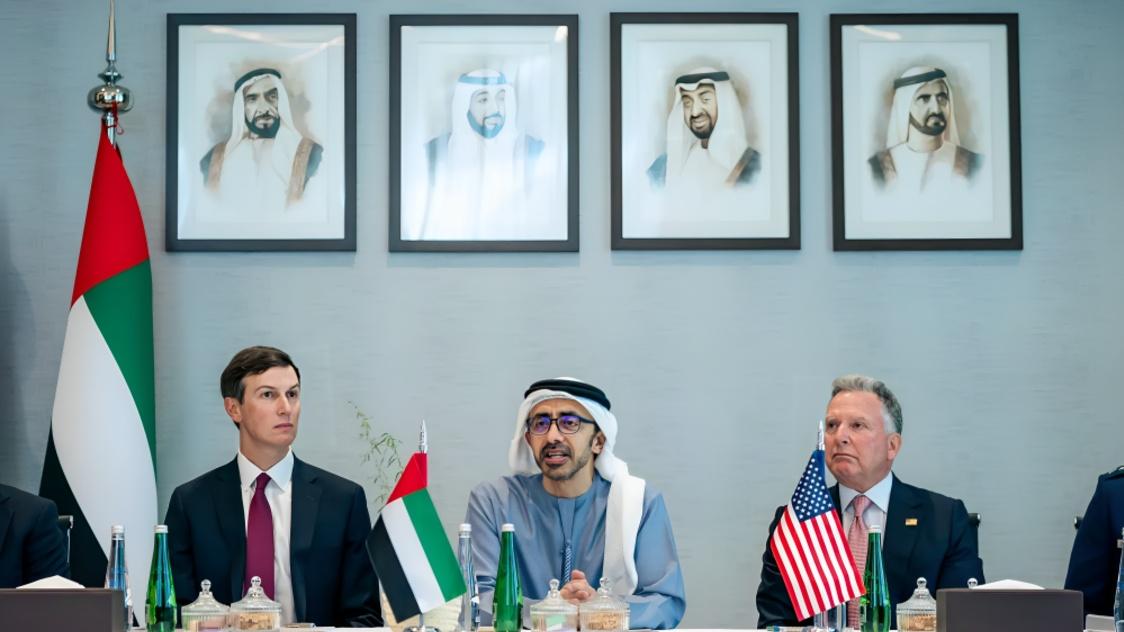
The Trump administration has indicated that negotiations to end the war in Ukraine should also address the wider European security structure. US representatives Jared Kushner and Steve Witkoff have been involved in diplomatic discussions with Russian and Ukrainian representatives.
During recent discussions, American negotiators reportedly encouraged Russia to present updated proposals addressing its security concerns. Russian representatives referred to Moscow's earlier demands, including concerns about NATO's expansion and its military presence in Eastern Europe.
The US position appears to be that a lasting settlement in Ukraine may require broader arrangements involving Russia and European countries. Washington has also indicated that European representatives should have a role in future discussions.
The American approach marks a significant development because Russia has repeatedly sought negotiations on Europe's wider security arrangements. Moscow has argued that NATO's expansion towards its borders threatens Russian security.
The United States is now exploring whether a broader diplomatic framework could help address these concerns while creating conditions for an agreement to end the conflict in Ukraine.
Putin's Longstanding Security Demand
Russian President Vladimir Putin has consistently opposed NATO's eastward expansion and has called for restrictions on the alliance's military activities near Russian territory.
Before Russia launched its full-scale invasion of Ukraine in February 2022, Moscow presented proposals seeking major changes to Europe's security arrangements. These included demands related to NATO's military presence and the alliance's expansion into Eastern Europe.
Western governments rejected those demands, maintaining that independent countries have the right to choose their own security partnerships and decide whether to join international alliances.
Russia's invasion of Ukraine further intensified tensions between Moscow and Western governments. European countries have since strengthened their defence cooperation and increased attention to regional security.
The possibility of reopening discussions about Europe's security framework has therefore raised concerns that Russia could seek greater influence over the decisions of neighbouring countries.
European Governments Express Concern
European governments have responded cautiously to the US approach. Their main concern is that Washington and Moscow could reach an understanding about Europe's security without giving European countries sufficient influence over the outcome.
European officials have stressed that the continent already has established security arrangements through organisations such as NATO and the European Union.
They have also argued that Russia's military actions in Ukraine have weakened trust in existing agreements. From their perspective, discussions about a new security framework should not allow Moscow to dictate the military or political choices of independent European countries.
European Union foreign policy representatives have maintained that Russia cannot be given a veto over decisions made by European nations. Officials from countries including Poland have also warned that any agreement concerning Ukraine and Europe's future should not be negotiated without their participation.
The concerns are not limited to the possibility of a new agreement. European governments also want clarity on how Ukraine's security would be protected if a ceasefire or peace settlement is reached.
Ukraine's Security Remains Central
Ukraine is one of the most important parties in the negotiations because any settlement will directly affect its territorial integrity, independence and future security.
The Ukrainian government has repeatedly rejected proposals that would require it to surrender its sovereignty or accept restrictions on its right to choose its international partnerships.
Kyiv has also called for reliable security guarantees to prevent another Russian attack after any peace agreement. Ukrainian officials have argued that a ceasefire without effective protection could leave the country vulnerable to renewed military action.
Russia, meanwhile, has opposed NATO membership for Ukraine and has objected to the possibility of Western military forces being stationed in the country.
These competing positions remain major obstacles to an agreement. The United States is attempting to find a diplomatic approach that addresses security concerns while creating a path towards ending the war.
European countries are also seeking to ensure that Ukraine is not pressured into accepting an arrangement that could weaken its long-term security.
NATO's Role in Future European Security
NATO remains central to Europe's defence arrangements. The alliance provides collective security commitments to its members and has played a significant role in coordinating Western military support for Ukraine.
Any proposal involving changes to Europe's security framework is therefore likely to face questions about NATO's future role.
European governments are concerned that an agreement with Russia could weaken the alliance or create restrictions on its military presence in Eastern Europe. They have argued that NATO's collective defence arrangements should not be undermined through negotiations conducted without their consent.
The United States has indicated that it wants to explore practical arrangements that address the security concerns of all parties. Discussions could include regular security consultations, improved crisis communication, military transparency and measures to reduce the risk of escalation.
However, the details of any proposed agreement remain unclear. There is no confirmed comprehensive security deal between the United States and Russia at this stage.
Diplomatic Talks Face Major Challenges
The discussions reflect Washington's attempt to connect the Ukraine peace process with broader European security concerns. While the United States believes that a wider framework could help create lasting stability, European governments remain concerned about the consequences of negotiating with Moscow.
The positions of Russia, Ukraine and European countries remain significantly different. Russia wants changes to NATO's role and military presence, Ukraine seeks strong guarantees against future aggression, and European governments want to protect their existing security arrangements.
The success of the American initiative will depend on whether these competing interests can be addressed through negotiations that respect the sovereignty of all countries involved.
For now, the proposal remains part of ongoing diplomatic discussions rather than a completed agreement. European governments are expected to continue pressing for direct involvement in any negotiations that could affect their security.
The coming discussions between the United States, Russia, Ukraine and European representatives could play an important role in determining the future direction of the Ukraine peace process and the wider security structure of Europe.