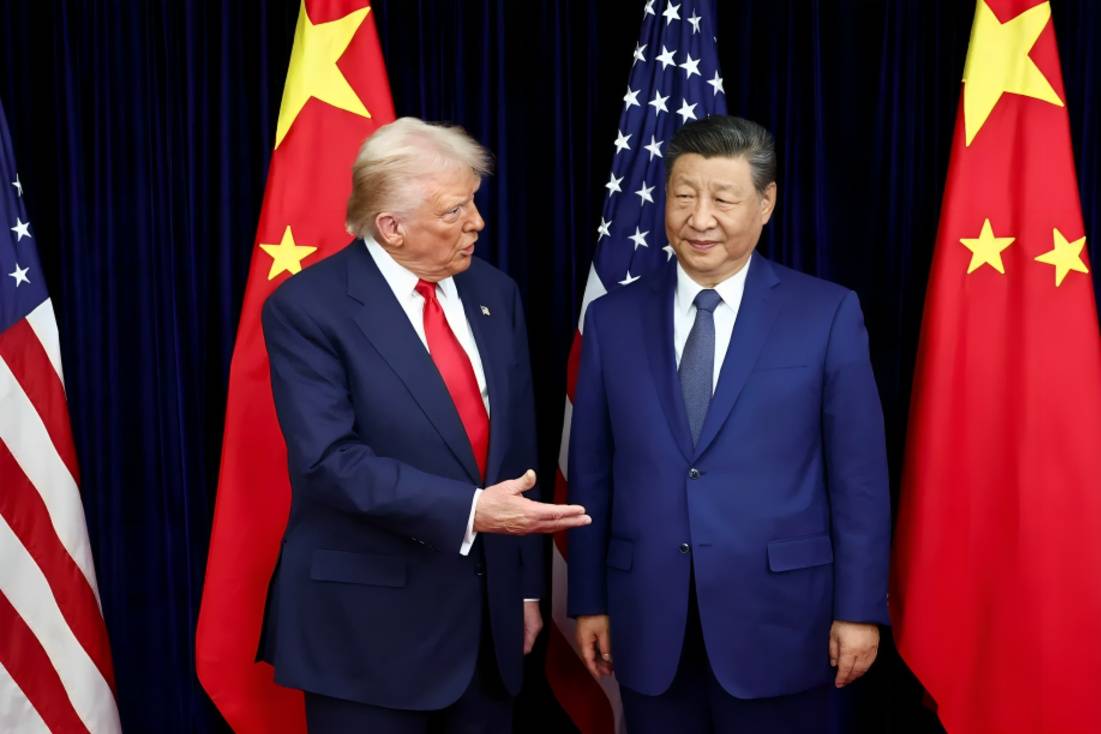
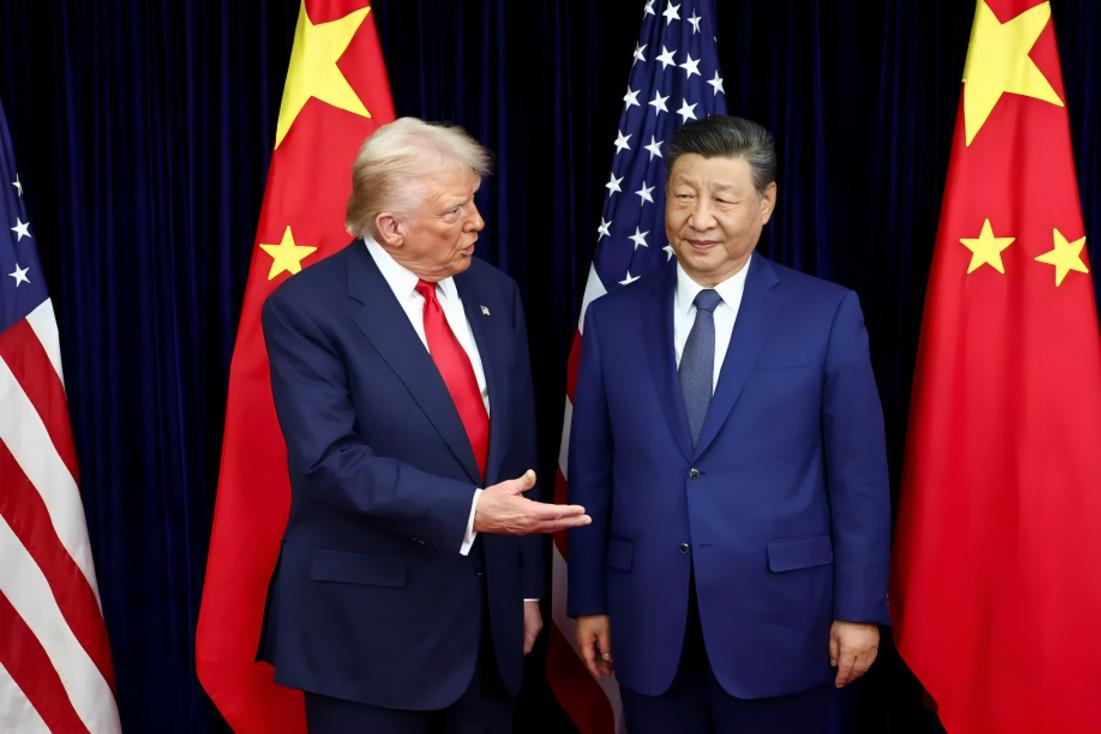
SHENZHEN: US President Donald Trump has acknowledged that the United States conducts intelligence-gathering operations against China, saying that Washington also monitors Beijing and claiming that American intelligence is more effective. His remarks came during an interview with Fox News on Thursday, November 19, while he was in Shenzhen, China, to attend the Asia-Pacific Economic Cooperation Summit.
Responding to questions about allegations of Chinese espionage against the United States, Trump said that both countries conduct intelligence activities against each other. He also suggested that Washington had little reason to demand that Beijing stop such operations when the United States itself engages in similar activities.
During the interview, Trump said, "We spy on China, they spy on us. I think we spy better than they do." He declined to reveal details about American intelligence operations, saying that he could not discuss what the United States does.
The comments attracted international attention because they came during Trump's visit to China, where he was scheduled to hold discussions with Chinese President Xi Jinping and other world leaders. The remarks also highlighted the continuing intelligence and security competition between Washington and Beijing.
Trump Says Both Countries Conduct Espionage
Trump's comments reflected his position that intelligence gathering is part of the relationship between major global powers. When asked whether he would request that China stop spying on the United States, he questioned the value of making such a demand.
He indicated that China could make a similar request to Washington because American intelligence agencies also monitor activities in other countries. Trump suggested that he would not necessarily agree to stop American intelligence operations simply because Beijing requested it.
The US President also referred to intelligence-sharing arrangements involving other international conflicts. He mentioned Iran and Ukraine while explaining that countries exchange information for strategic and security purposes.
His remarks did not reveal specific intelligence programmes, methods or operations. Trump also did not provide evidence to support his claim that American intelligence agencies perform better than their Chinese counterparts. His comparison was presented as his own assessment during the interview.
The statements nevertheless drew attention because intelligence competition is a sensitive issue in US-China relations. Both governments have repeatedly raised concerns about national security, cyber activities, military information and the protection of sensitive technologies.
Remarks Come Amid Jensen Huang Controversy
The interview also touched on the controversy surrounding former Nvidia chief executive Jensen Huang and a Chinese businesswoman identified in media reports as Alice Huang.
The controversy involved allegations and intelligence concerns surrounding the businesswoman's possible connections to Chinese intelligence networks. Such claims have attracted attention because Nvidia is a major American technology company whose advanced semiconductor products are important to the global artificial intelligence industry.
When asked whether the matter had been discussed with Chinese President Xi Jinping, Trump said it had not been a major subject of their conversation, although he suggested it might have been mentioned briefly.
Trump praised Jensen Huang's business and technological achievements, describing him as an exceptionally talented individual. He also expressed concern about the situation, calling it a tragedy and arguing that the United States should support highly talented people in the technology sector.
Regarding Alice Huang, Trump said he had not heard that she was a spy and described her as a businesswoman involved in purchasing computer chips. He questioned whether the transactions had been conducted properly but emphasised the importance of business opportunities with China.
The President's comments came amid wider discussion about the security risks associated with advanced semiconductor technology and the possibility that sensitive information could be accessed through commercial relationships.
However, allegations concerning an individual's links to intelligence agencies should not be treated as established facts without independently verified evidence. Trump's remarks did not confirm that Alice Huang was involved in espionage.
Intelligence Competition Remains a Major US-China Issue
The United States and China have been involved in a long-running strategic competition that extends beyond trade and economic relations. Intelligence gathering, military capabilities, cybersecurity and advanced technology have become important areas of concern for both countries.
Washington has repeatedly expressed concerns about Chinese cyber activities and alleged attempts to obtain sensitive information from American government agencies, companies and research institutions. Beijing, in turn, has rejected several US accusations and accused Washington of conducting surveillance and interfering in other countries' affairs.
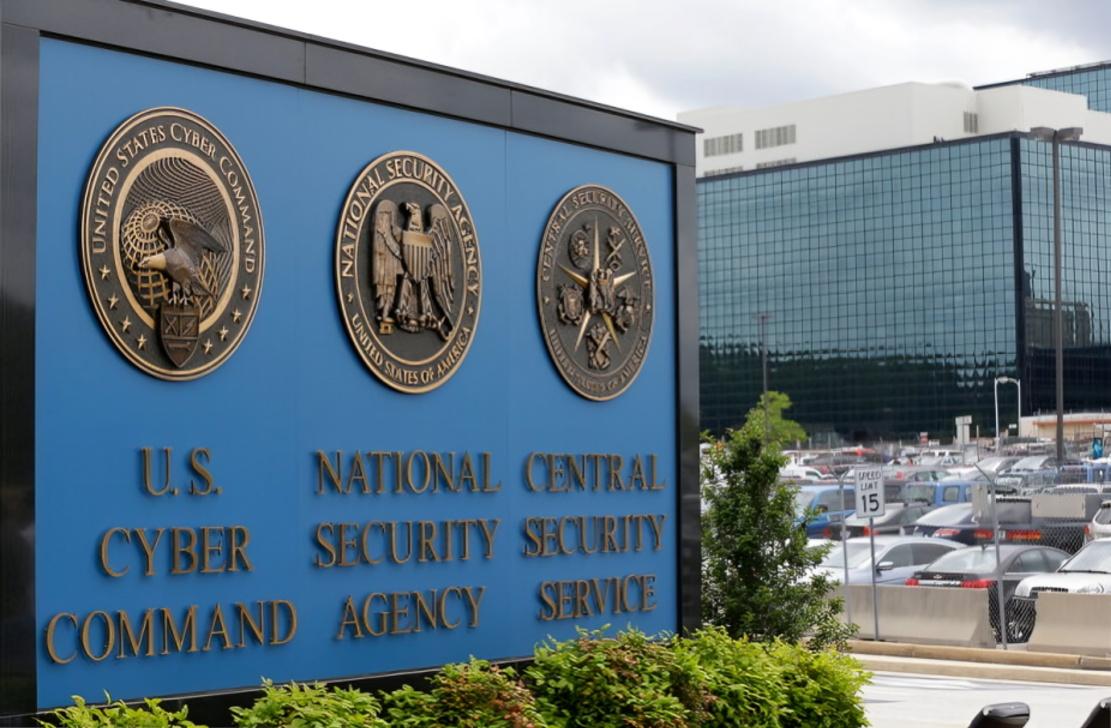
Intelligence agencies in major countries generally operate to gather information about foreign governments, military developments, economic policies and potential security threats. However, specific operations are often classified, making it difficult to independently assess public claims about their scale or effectiveness.
Trump's statement that the United States spies more effectively than China did not include details about the methods or results of any particular operation. It was a broad claim made during a television interview.
Technology and Semiconductor Security in Focus
The controversy involving Nvidia also brought renewed attention to the relationship between technology exports and national security.
Advanced semiconductors are essential for artificial intelligence systems, data centres, military applications and other strategic technologies. As a result, the United States has introduced restrictions on certain advanced chip exports to China, citing national security concerns.
American policymakers have argued that access to advanced computing technology could strengthen China's military and technological capabilities. China has criticised restrictions on its access to foreign semiconductor products and has continued efforts to develop its domestic chip industry.
Nvidia has become a central company in this debate because its graphics processing units are widely used in artificial intelligence development. Decisions concerning the sale of advanced chips to China have therefore attracted attention from governments, investors and technology companies.
Trump's remarks during the interview reflected the tension between commercial interests and national security concerns. While he praised Jensen Huang's technological contribution, he also discussed the importance of maintaining business relations with China.
Trump Emphasises Importance of Relations With Beijing
Despite acknowledging intelligence competition between the two countries, Trump also stressed the importance of maintaining economic relations with China.
He pointed to the volume of business conducted between the two countries and described positive engagement with Beijing as beneficial. His comments suggested that the administration intends to maintain dialogue even while strategic and security differences remain.
The President's visit to Shenzhen for the APEC Summit provided an opportunity for discussions on trade, technology, international security and broader diplomatic relations.
Relations between Washington and Beijing have experienced periods of cooperation as well as significant disagreement. Trade restrictions, semiconductor controls, Taiwan-related tensions and military activities in the Indo-Pacific region remain important issues.
Trump's latest comments highlighted the complicated nature of the relationship. While both countries seek to protect their national interests and maintain strategic advantages, they also remain major trading partners with significant economic ties.
International Attention on Trump's Statement
The admission that the United States conducts espionage against China attracted attention because presidents generally avoid discussing specific intelligence activities publicly. Trump's comments were unusual in their directness, although he did not reveal classified operational details.
His claim that American intelligence performs better than China's also became a major talking point in international media coverage.
The remarks are likely to add to discussions about intelligence competition, cybersecurity and the future of US-China relations. However, they do not establish the details of any particular intelligence operation or independently prove the effectiveness of either country's intelligence agencies.
As Washington and Beijing continue diplomatic engagement alongside strategic competition, intelligence and technology security are expected to remain important areas of concern.
Trump's statement ultimately underscored the reality that cooperation and rivalry can exist simultaneously in relations between major powers. Both countries continue to pursue economic opportunities while seeking to protect their security interests and maintain an advantage in sensitive technological and intelligence fields.