

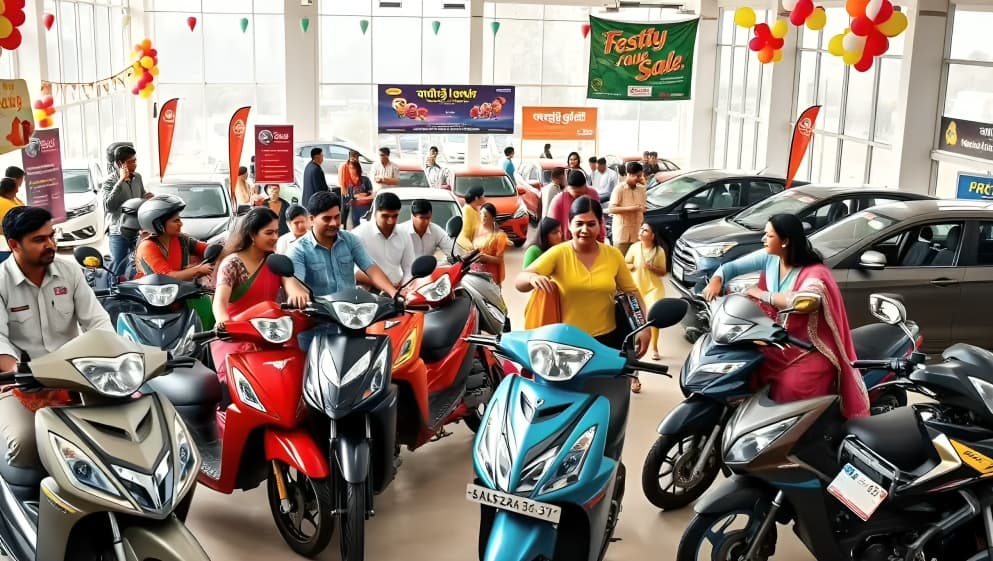
India’s two-wheeler industry recorded a significant sales surge in 2025, marking one of its strongest recoveries in recent years. The growth has been driven by a combination of economic improvement, rising personal mobility needs, and structural reforms under the GST 2.0 framework. Together, these factors have helped revive consumer sentiment and strengthen the domestic automobile market.
One of the key contributors to this growth has been the implementation of GST 2.0 reforms. The updated tax system brought greater clarity to tax slabs, simplified compliance requirements, and reduced administrative delays for manufacturers and dealers. Faster input tax credit settlements improved cash flow across the supply chain, allowing companies to streamline operations and offer more competitive pricing to customers.
Affordability also played a major role in boosting two-wheeler sales. Stable fuel prices during parts of the year, combined with better financing options, made motorcycles and scooters more accessible to a wider population. Banks and non-banking financial companies expanded loan offerings with lower down payments and flexible repayment tenures, particularly targeting first-time buyers and rural consumers.
Rural demand emerged as a major growth driver in 2025. Improved agricultural output, higher minimum support prices, and increased government spending in rural areas boosted purchasing power. Two-wheelers remain a preferred mode of transport in rural India due to their affordability and practicality, leading to increased sales in non-urban markets.
Urban demand also showed strong momentum as commuters continued to prefer personal vehicles over public transport. Rising traffic congestion and the need for flexible travel options encouraged many buyers to choose two-wheelers for daily commuting. Scooters and entry-level motorcycles saw steady demand, while premium motorcycles gained traction among younger consumers.
Electric two-wheelers added another layer of growth to the market. Improved battery technology, better charging infrastructure, and continued government incentives encouraged more buyers to shift towards electric mobility. Several manufacturers introduced new models with longer range and improved performance, making electric two-wheelers a practical alternative to petrol-powered vehicles.
Manufacturers also benefited from stabilised supply chains in 2025. After facing disruptions in previous years, improved availability of components and raw materials helped companies meet rising demand without major production delays. This stability allowed brands to reduce waiting periods and improve customer satisfaction.
Industry analysts believe the strong performance of the two-wheeler sector reflects broader economic resilience. Rising employment levels, controlled inflation, and policy support created a favourable environment for consumer spending. The positive momentum is expected to continue if economic stability and policy consistency are maintained.
As India moves towards cleaner and more efficient mobility solutions, the two-wheeler segment is likely to remain a key contributor to the automotive industry. The sales surge in 2025 highlights how policy reforms, economic recovery, and changing consumer preferences can collectively drive market growth.


