Hyundai is preparing to unveil the all-new 2027 Tucson at a global premiere on October 1, 2026. The fifth-generation SUV will make its international debut at an event in Long Island City, New York, marking the next major step in the development of Hyundai's globally popular Tucson nameplate.
Hyundai Motor America has confirmed that the world premiere will take place on October 1 at 5:15 pm Eastern Time. The event will be livestreamed through Hyundai's official channels, allowing customers and automotive enthusiasts around the world to watch the unveiling.
The new Tucson represents a major generational update rather than a simple facelift. Hyundai has already revealed the South Korean-market version and released several details about its design, dimensions, technology and powertrain options. The global premiere is expected to provide further details about specifications for international markets.
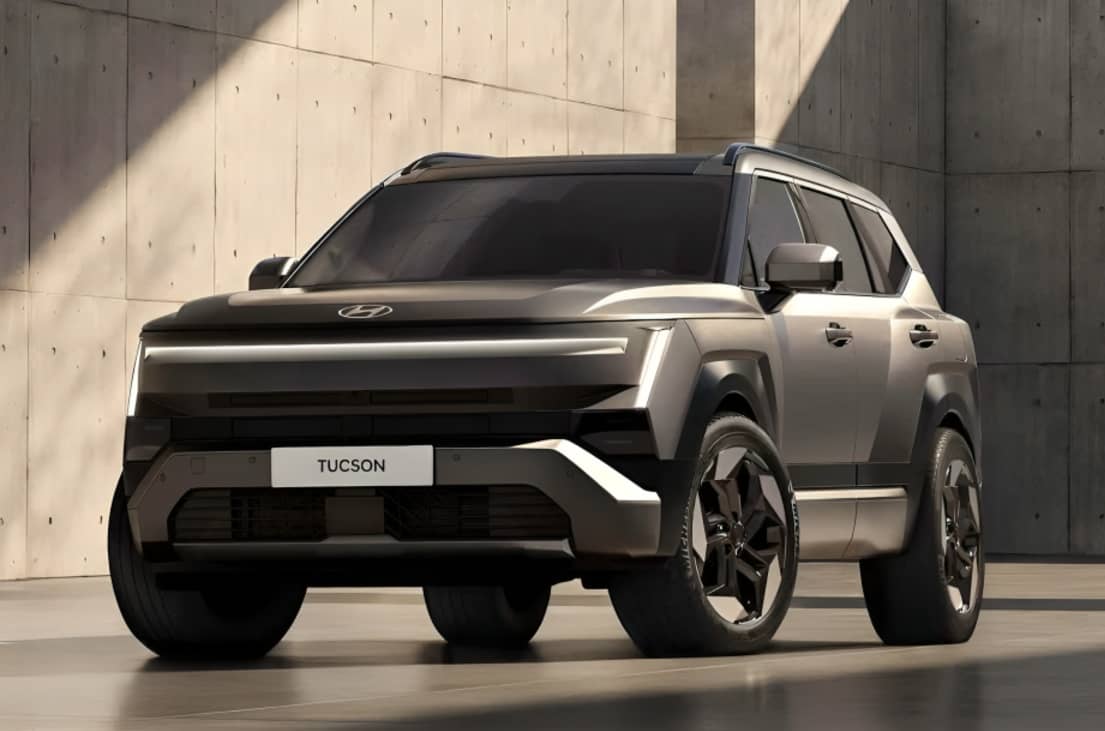
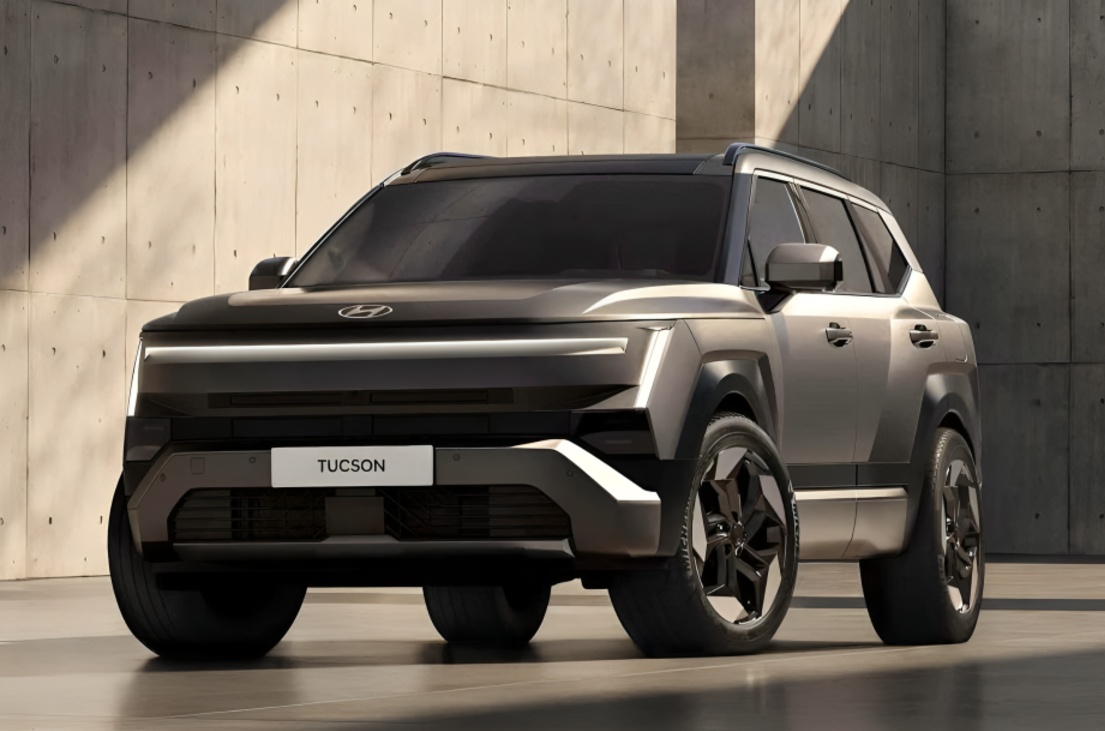
One of the biggest changes is the exterior design. The new-generation Tucson adopts Hyundai's latest Art of Steel design language, giving the SUV a more upright and muscular appearance. Compared with the outgoing model, the new Tucson features sharper body lines, squared-off wheel arches and a more substantial overall stance.
The front-end design is particularly different. The SUV gets a slim horizontal lighting element combined with vertically positioned H-shaped LED daytime running lights. The headlamp arrangement has also been redesigned, giving the Tucson a more distinctive appearance. The front bumper and grille area have been revised as part of the new design.
The changes continue at the rear. The new Tucson features a redesigned tailgate, new lighting elements and a more angular bumper. Hyundai has also incorporated a slim rear light signature that complements the lighting design at the front.
The new Tucson is larger than the previous generation. According to technical details released for the South Korean model, the SUV is 60mm longer and 40mm wider than its predecessor. Its wheelbase has also increased by 30mm. These changes are expected to provide additional cabin space and improve passenger comfort.
The increase in dimensions is also noticeable inside the cabin. Hyundai has worked on improving passenger space, particularly for occupants in the second row. The rear doors can open wider than before, making it easier for passengers to enter and exit the vehicle.
The interior has received a major technology upgrade as well. The new Tucson features a redesigned dashboard with a large central touchscreen and a more modern cabin layout. Hyundai is expected to introduce its latest Pleos-based infotainment technology in the new model, bringing updated connectivity and digital functions.
The cabin also features physical controls for important functions, which could make it easier for drivers to operate frequently used systems without relying entirely on the touchscreen. Depending on the market and variant, the Tucson is expected to offer features such as digital instrumentation, wireless charging, connected-car technology, premium audio and advanced driver assistance systems.
Safety and driver assistance technology are another major focus of the new-generation Tucson. Hyundai is expected to offer a comprehensive suite of electronic safety systems, including advanced driver assistance features. The exact equipment will vary according to the market and trim level.
The powertrain lineup is also changing. In South Korea, the new Tucson is offered with a 1.6-litre turbo petrol engine producing 193hp and 265Nm of torque. The engine is paired with an eight-speed automatic transmission. The output represents an increase over the equivalent engine in the outgoing model.
A 1.6-litre turbo hybrid powertrain is another important option. The hybrid system produces a combined 245hp, while Hyundai claims a fuel efficiency figure of 17.4kpl for the South Korean-specification model. The hybrid system also includes an Inertial Driving Guidance feature designed to encourage the driver to lift off the accelerator when appropriate to improve efficiency.
The greater focus on hybrid technology is significant because electrified powertrains are becoming increasingly important in Hyundai's global product strategy. Hyundai has confirmed that the all-new Tucson and Tucson Hybrid will launch in initial markets during the fourth quarter of 2026.
The new Tucson also brings changes to its aerodynamic performance. Hyundai has incorporated features such as active air flaps and other body modifications intended to improve airflow around the SUV. These changes can contribute to efficiency and stability while also complementing the new exterior design.
The new-generation model will also continue to offer an XRT variant in selected markets. The XRT version is designed to give the Tucson a more rugged appearance and additional off-road-focused characteristics. Its styling includes different exterior elements compared with the standard version.
For Indian buyers, however, the most important question is whether the new Tucson will return to the Indian market. The previous-generation Tucson was discontinued in India in late 2025, and Hyundai has not yet officially confirmed an India launch date for the fifth-generation model.
This means reports about a possible 2027 India launch should currently be treated as expectations rather than confirmed launch information. Hyundai's global product roadmap includes 26 launches or major updates for India by 2030, but the company has not specifically announced the India launch timing of the new Tucson.
If Hyundai decides to bring the new Tucson back to India, the SUV could offer a significantly different package from the model previously sold here. The new design, larger dimensions, updated cabin technology and hybrid powertrain could make it a more technology-focused offering.
The possibility of a hybrid powertrain could also be important for the Indian market. Hyundai has been expanding its electrification strategy globally, and the new Tucson Hybrid is part of that wider product plan. However, there is currently no official confirmation regarding which engine or hybrid configuration would be offered in India.
The new Tucson is expected to compete internationally with models such as the Toyota RAV4, Honda CR-V and other midsize SUVs. Its larger dimensions and new technology package are intended to strengthen Hyundai's position in a highly competitive global SUV segment.
The October 1 global premiere will therefore be important for revealing further details about the model. Hyundai is expected to provide market-specific information, including additional specifications, equipment and availability during the global presentation.
For now, the confirmed information is that the 2027 Hyundai Tucson will make its global premiere on October 1, 2026. The fifth-generation SUV brings a substantially revised design, larger dimensions, an upgraded interior and new powertrain technology.
The South Korean version already gives a clear indication of what customers can expect from the new model. The 1.6-litre turbo petrol engine and 1.6-litre turbo hybrid are currently confirmed for that market, while specifications for other regions will depend on local requirements.
For Indian customers, Hyundai's decision regarding the new Tucson remains the key unanswered question. The company has not yet confirmed an India launch date, so any expected launch timeline should be treated as unofficial until Hyundai India makes an announcement.
With its October 1 global debut, the new Tucson is set to enter the next phase of its international lifecycle. The combination of a bold new design, larger dimensions, improved cabin technology and hybrid powertrain options makes the fifth-generation model a significant update to Hyundai's global SUV portfolio.