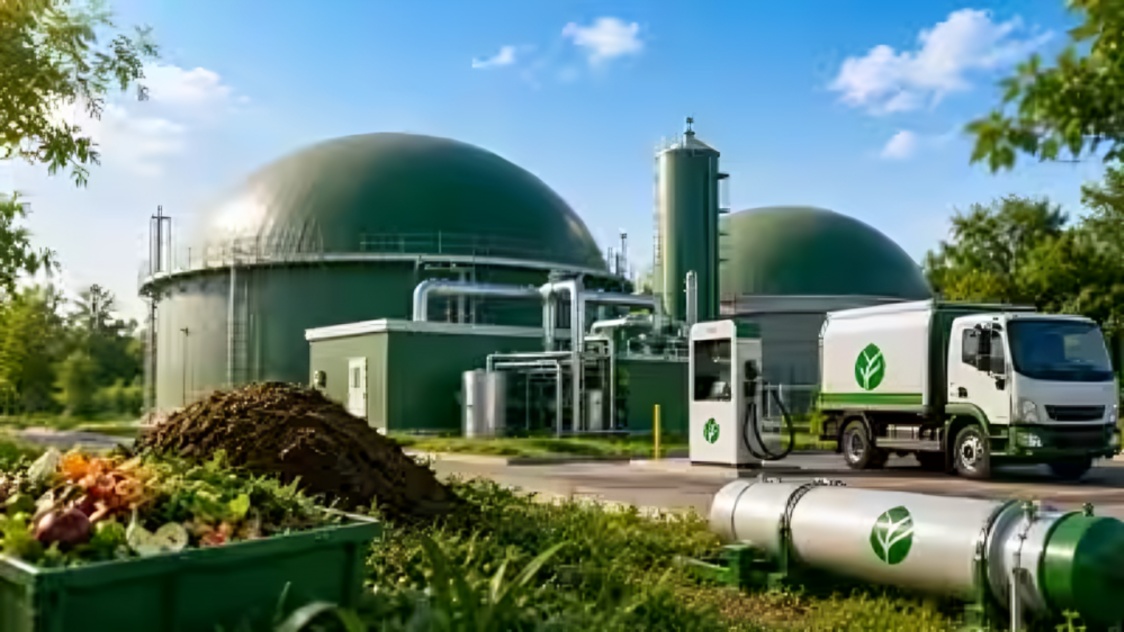
The Union Cabinet has approved the GOBARdhan Scheme with a total financial outlay of Rs 23,731 crore, marking a significant step towards expanding the production and use of Compressed Biogas across India. The initiative is expected to strengthen the country's clean energy transition by increasing the availability of bio CNG while supporting sustainable waste management and reducing dependence on conventional fossil fuels.
Compressed Biogas, commonly referred to as CBG or bio CNG, is produced from organic waste such as agricultural residue, cattle dung, municipal solid waste, food waste and sewage. After purification, the gas has properties that are chemically similar to conventional natural gas, allowing it to be blended with the existing CNG supply used by vehicles.
One of the key advantages of the scheme is that CNG vehicle owners will not need to make any modifications to their vehicles or fuel systems. Since purified Compressed Biogas is compatible with the existing CNG infrastructure, it can be supplied through current refuelling stations without requiring changes to dispensing equipment or vehicle engines.
The GOBARdhan Scheme aims to encourage the establishment of additional biogas production facilities across the country. By converting organic waste into clean fuel, the programme seeks to reduce environmental pollution while creating valuable energy resources from materials that would otherwise be discarded.
Government officials believe the initiative will contribute to multiple national objectives, including cleaner transportation, improved waste management and enhanced energy security. Increasing domestic production of Compressed Biogas can also reduce dependence on imported natural gas and support India's long term renewable energy goals.
The programme is expected to benefit rural communities as well as urban areas. Farmers and livestock owners may gain additional income opportunities by supplying agricultural residue and cattle waste to biogas plants. At the same time, municipalities can utilise organic waste more efficiently, reducing landfill usage and improving sanitation.
Environmental experts have highlighted the potential advantages of expanding Compressed Biogas production. Using organic waste to generate fuel helps reduce methane emissions from decomposing waste while lowering greenhouse gas emissions associated with conventional fossil fuels. The resulting organic by products from biogas production can also be processed into nutrient rich fertilisers for agricultural use.
The transportation sector is expected to be one of the primary beneficiaries of increased CBG availability. As blending levels gradually increase within the CNG distribution network, vehicle owners should continue to receive fuel that meets existing performance standards without noticing operational differences during everyday driving.
Industry analysts note that India's CNG vehicle market has expanded steadily over the past decade, driven by lower fuel costs, cleaner emissions and growing availability of refuelling stations. The integration of Compressed Biogas into the fuel supply could further strengthen the country's alternative fuel ecosystem while supporting national sustainability objectives.
The approval of the scheme may also encourage greater private sector investment in renewable energy projects, waste processing facilities and biofuel manufacturing. Expanding production capacity will require collaboration between government agencies, local authorities, energy companies and agricultural stakeholders.
Experts believe that successful implementation will depend on developing reliable feedstock supply chains, efficient collection systems for organic waste and continued investment in processing infrastructure. Maintaining consistent fuel quality and expanding production capacity will also remain important priorities as demand for Compressed Biogas grows.
The GOBARdhan Scheme reflects the government's broader strategy to promote cleaner fuels, circular economy practices and environmentally responsible waste management. By transforming organic waste into a valuable energy resource, the initiative aims to deliver economic, environmental and energy security benefits simultaneously.
With the approval of the Rs 23,731 crore programme, India is expected to accelerate the adoption of Compressed Biogas as an important component of its clean transportation sector. As production increases and blending expands across the existing CNG network, motorists, farmers, waste management agencies and the broader energy sector could all benefit from a more sustainable and diversified fuel ecosystem.