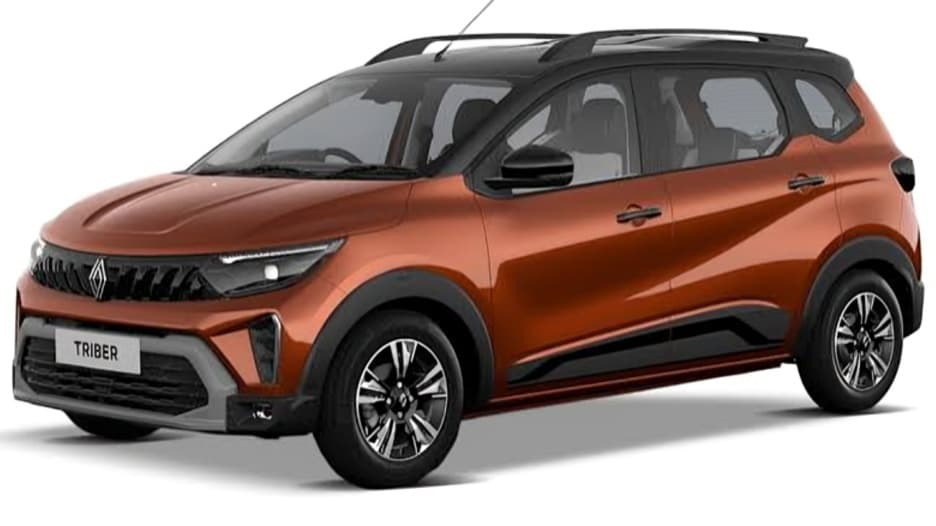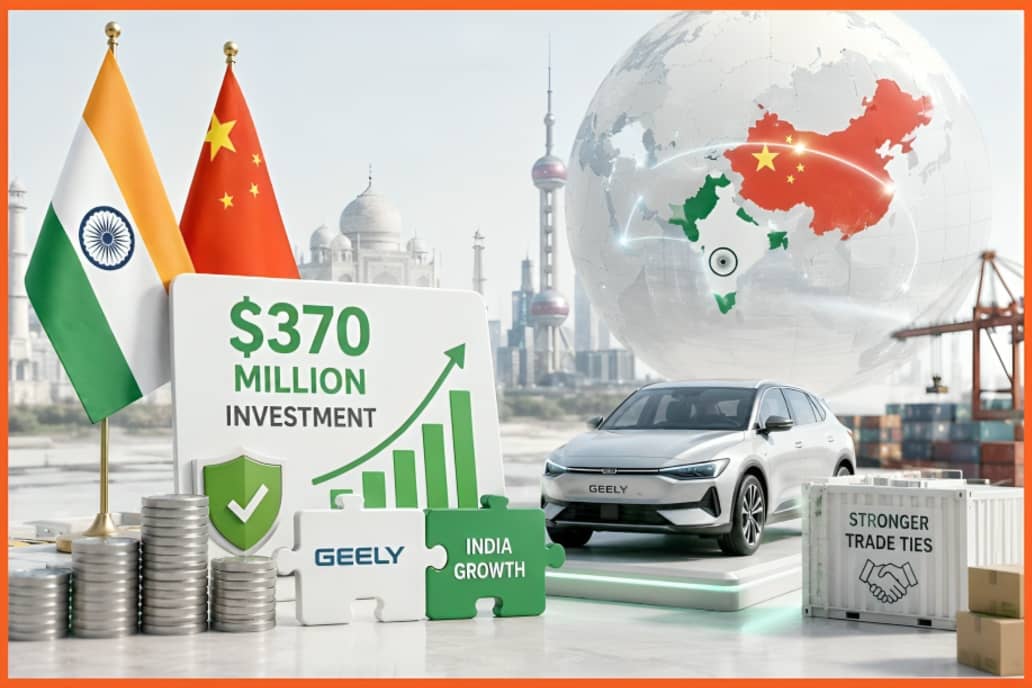

Chinese automobile manufacturer Geely is reportedly preparing to invest in Renault's manufacturing operations in India as part of efforts to expand local hybrid powertrain production. According to reports, the proposed investment would enable Renault's manufacturing facility in Chennai to produce hybrid engines domestically, supporting future vehicle programmes for both Renault and Nissan in the Indian market.
The reported development reflects the growing focus of global automobile manufacturers on hybrid technology as demand for fuel efficient and lower emission vehicles continues to increase. While the investment has attracted significant industry attention, neither Renault, Nissan, nor Geely has officially confirmed the complete details or financial terms of the reported proposal.
Industry experts believe local manufacturing of hybrid powertrains could help reduce production costs, improve supply chain efficiency, and increase the availability of hybrid vehicles in India. Domestic production may also reduce dependence on imported components while supporting the government's broader objective of strengthening automotive manufacturing under the Make in India initiative.
Renault's Chennai manufacturing facility has long served as an important production hub for both domestic sales and exports. Expanding the facility's capabilities to manufacture hybrid engines would represent another step toward diversifying its production portfolio as consumer demand gradually shifts toward electrified mobility solutions.
Hybrid vehicles combine an internal combustion engine with an electric motor, allowing improved fuel efficiency and lower emissions compared to conventional petrol or diesel powered vehicles. Unlike fully electric vehicles, hybrids do not rely entirely on external charging infrastructure, making them an attractive option for markets where charging networks are still expanding.
India's passenger vehicle market has witnessed increasing interest in hybrid technology over the past few years. Rising fuel prices, stricter emission standards, and growing environmental awareness have encouraged manufacturers to introduce a wider range of hybrid models across different vehicle segments.
Automotive analysts suggest that partnerships between international manufacturers can accelerate technology sharing, improve manufacturing efficiency, and strengthen research and development capabilities. If the reported investment proceeds, Geely's expertise in electrified powertrains could contribute to Renault and Nissan's long term product strategy in India.
The collaboration may also support future exports of hybrid components and vehicles from India, reinforcing the country's position as a global automotive manufacturing base. Local production of advanced powertrain technologies could create additional employment opportunities while enhancing supplier capabilities within the domestic automotive ecosystem.
Despite the reports, all three companies have yet to issue an official statement confirming production schedules, investment value, product plans, or launch timelines. Any future announcements regarding manufacturing expansion, hybrid engine production, or new vehicle introductions are expected to be communicated through official corporate channels.
As the global automotive industry continues its transition toward cleaner mobility technologies, investments in hybrid manufacturing remain an important part of the broader shift toward sustainable transportation. Consumers and industry stakeholders will closely monitor future announcements from Geely, Renault, and Nissan regarding the reported collaboration and its potential impact on the Indian automobile market.