Hardeep Singh Puri, the Union Minister for Petroleum and Natural Gas, has stated that the use of E20 petrol results in only a marginal reduction in vehicle mileage. His remarks came while addressing public concerns regarding the nationwide rollout of ethanol blended fuel and discussions circulating on social media.
Speaking during a press interaction, the minister said that the government's ethanol blending programme has been introduced after extensive research and testing. He emphasized that while ethanol contains slightly less energy than conventional petrol, the resulting impact on fuel efficiency is limited and should not be viewed as a major concern for most vehicle owners.
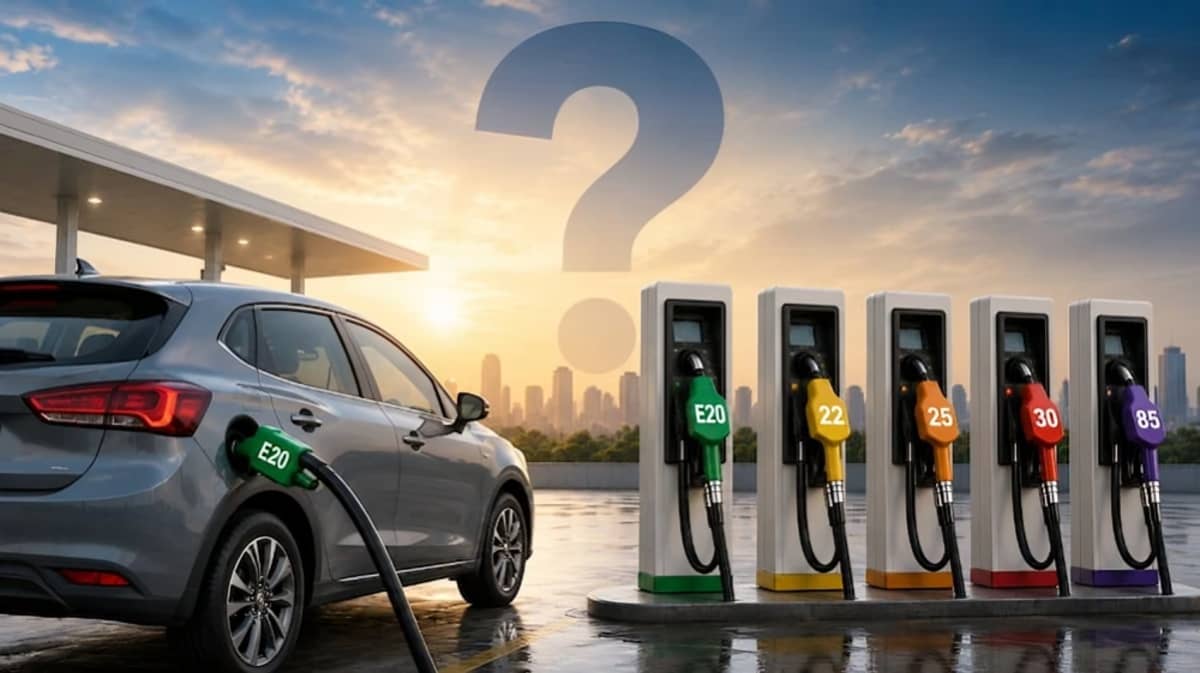
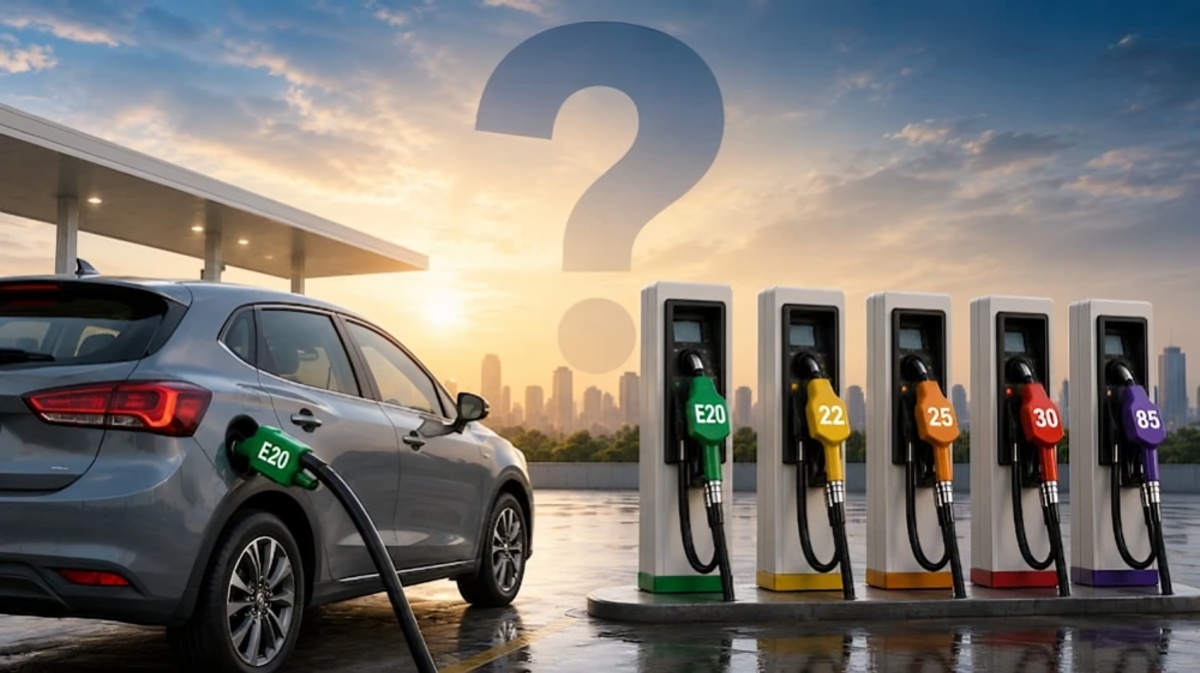
E20 petrol is a fuel blend consisting of 20 percent ethanol and 80 percent petrol. The Government of India has been gradually expanding the availability of E20 fuel as part of its broader strategy to reduce dependence on imported crude oil, strengthen energy security, and promote cleaner transportation fuels.
According to the Ministry of Petroleum and Natural Gas, increasing the use of ethanol blended fuels offers several long term benefits. These include reducing greenhouse gas emissions, lowering the country's oil import bill, supporting domestic biofuel production, and creating additional income opportunities for farmers through increased demand for ethanol feedstocks such as sugarcane and grains.
The minister also noted that automobile manufacturers have been preparing vehicles for compatibility with E20 fuel in line with government guidelines. Many new vehicles introduced in the Indian market are being designed or upgraded to operate efficiently using higher ethanol blended fuels.
Experts explain that ethanol has a lower energy content compared to conventional petrol, which can lead to a slight reduction in fuel economy under certain driving conditions. However, the actual difference in mileage depends on various factors, including vehicle design, engine technology, maintenance, driving habits, road conditions, and traffic patterns.
Automobile manufacturers continue to develop engines capable of optimizing performance with ethanol blended fuels. Advances in engine management systems and fuel injection technologies are expected to improve compatibility and maintain efficient vehicle operation as ethanol blending increases.
India has steadily expanded its ethanol blending programme over the past several years. The initiative forms an important part of the National Biofuel Policy and supports the country's broader objectives related to environmental sustainability, renewable energy adoption, and reduced dependence on fossil fuel imports.
Industry analysts believe that greater use of domestically produced ethanol can improve India's energy resilience by diversifying fuel sources. At the same time, they emphasize the importance of continued investment in fuel infrastructure, vehicle technology, and consumer awareness to ensure a smooth transition.
Vehicle owners are encouraged to refer to their manufacturer's recommendations regarding fuel compatibility. Most recently manufactured vehicles approved for E20 fuel are expected to operate normally when using the recommended blend, while owners of older vehicles should verify compatibility through official manufacturer guidance.
The government has stated that the ethanol blending programme will continue to expand in phases while ensuring that fuel quality standards and vehicle performance requirements are maintained. Authorities have also indicated that the programme will be implemented in coordination with automobile manufacturers, fuel retailers, and other stakeholders.
As India continues its transition toward cleaner and more diversified energy sources, E20 petrol is expected to play an increasingly important role in the country's transportation sector. Government officials maintain that the long term environmental and economic benefits of ethanol blending outweigh the limited impact on vehicle mileage reported during testing and field implementation.