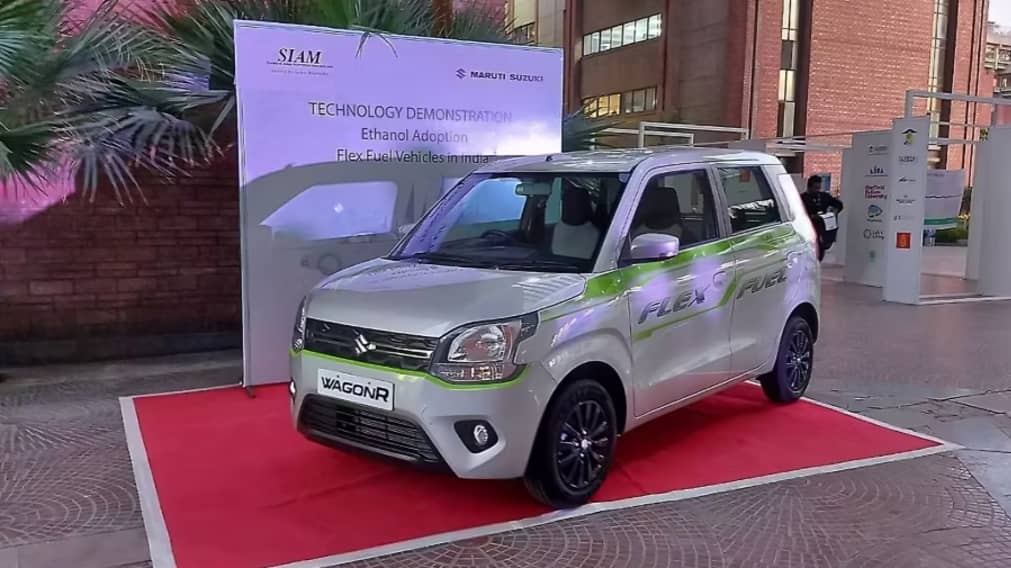

Maruti Suzuki India has introduced the Wagon R Bioflex, a new flex fuel vehicle capable of operating on ethanol blended fuel containing up to 85 percent ethanol. Priced at Rs 7.24 lakh ex showroom, the new model is based on the Wagon R ZXi Plus manual variant and represents another step in the company's efforts to support alternative fuel technologies in the Indian automotive market.
The launch comes as India continues to encourage the adoption of cleaner fuel alternatives to reduce dependence on conventional fossil fuels and strengthen energy security. Ethanol blending has emerged as a key component of the country's strategy to reduce fuel imports and promote environmentally sustainable transportation solutions.
The Wagon R Bioflex has been engineered to operate efficiently on various ethanol petrol blends, including E85 fuel. Flex fuel vehicles are equipped with specially designed engines and fuel system components that can adapt to different fuel compositions. This allows drivers to use higher ethanol blends without compromising vehicle performance or reliability.
Industry experts believe that flex fuel technology offers several advantages. Ethanol is a renewable fuel primarily produced from agricultural feedstocks such as sugarcane and grains. Increased ethanol usage can help reduce greenhouse gas emissions, support domestic agriculture, and decrease reliance on imported crude oil.
Maruti Suzuki has been actively exploring multiple technologies to support India's transition toward cleaner mobility. In addition to conventional petrol powered vehicles, the company has invested in compressed natural gas vehicles, hybrid technologies, and alternative fuel solutions. The introduction of the Wagon R Bioflex reflects the growing focus on diversified energy sources within the automotive sector.
The Wagon R remains one of the most popular hatchbacks in India, known for its practicality, spacious cabin, fuel efficiency, and affordability. By introducing a flex fuel version based on an established model, Maruti Suzuki aims to make alternative fuel technology more accessible to mainstream consumers.
Government policies promoting ethanol blending have encouraged automobile manufacturers to develop vehicles compatible with higher ethanol concentrations. India has significantly increased ethanol blending levels in recent years as part of its broader energy and environmental goals. The availability of flex fuel vehicles is expected to complement these efforts by expanding consumer options.
Automotive analysts note that the success of flex fuel vehicles will depend on the availability of ethanol blended fuels across fuel stations nationwide. Continued expansion of ethanol supply infrastructure will be important for supporting widespread adoption of E85 compatible vehicles in the future.
Environmental experts point out that ethanol based fuels can contribute to lower carbon emissions when compared with conventional fossil fuels. The use of domestically produced biofuels may also generate economic benefits by creating opportunities within the agricultural and biofuel industries.
The launch of the Wagon R Bioflex highlights the increasing role of alternative fuel technologies in India's automotive landscape. As manufacturers seek solutions to meet evolving environmental standards and consumer expectations, flex fuel vehicles are expected to become an important part of the transition toward sustainable mobility.
Market observers believe that Maruti Suzuki's strong presence in the passenger vehicle segment could help accelerate awareness and acceptance of flex fuel technology among Indian consumers. The company's extensive dealership and service network may further support the adoption of such vehicles across different regions.
With the introduction of the Wagon R Bioflex, Maruti Suzuki has added another option for customers interested in environmentally conscious transportation. The vehicle reflects ongoing efforts within the industry to balance affordability, practicality, and sustainability while supporting national objectives related to energy security and cleaner mobility.