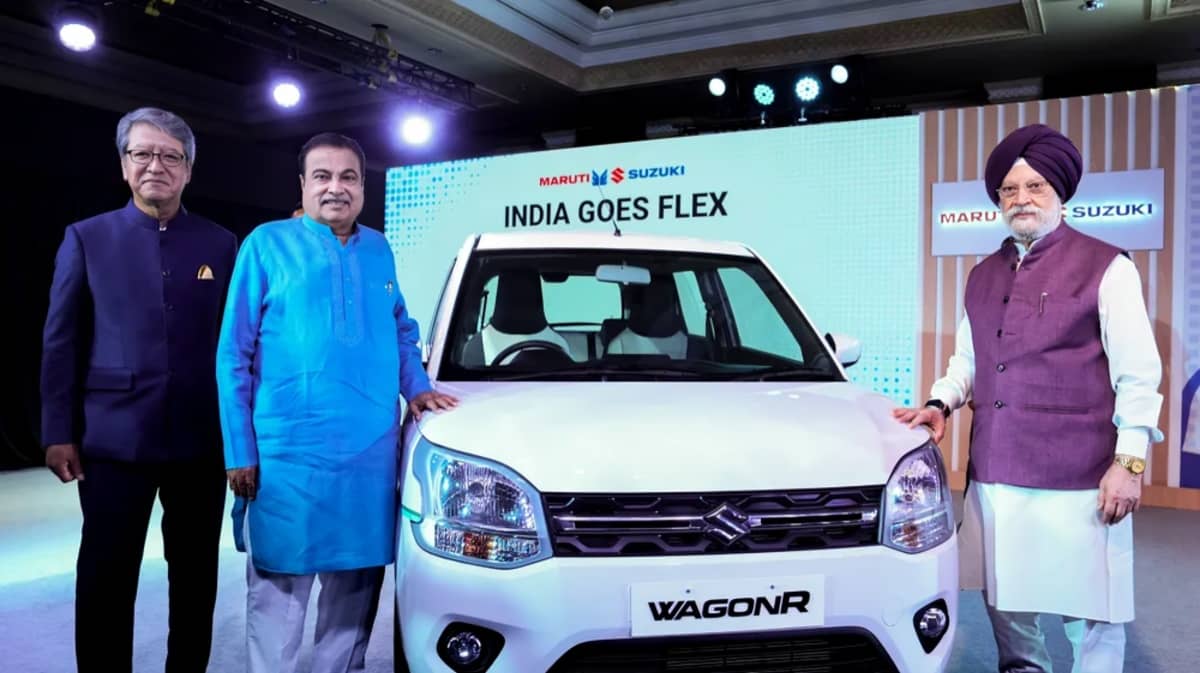

Maruti Suzuki has launched the WagonR Bioflex, marking a significant milestone in the Indian automotive industry. The vehicle is being recognized as India's first flex-fuel passenger car and represents a major step toward cleaner transportation and alternative fuel adoption. The launch supports the country's broader objective of increasing ethanol usage and reducing reliance on imported fossil fuels.
A flex-fuel vehicle is designed to operate on different blends of petrol and ethanol. Unlike conventional petrol-powered vehicles, flex-fuel models can adjust to varying ethanol concentrations, providing greater flexibility while supporting environmentally focused mobility initiatives. The WagonR Bioflex has been engineered to utilize higher ethanol blends while maintaining performance, drivability and fuel efficiency.
One of the most important aspects of the new vehicle is its compatibility with ethanol-rich fuel blends. Ethanol is a renewable fuel typically produced from agricultural resources such as sugarcane, corn and other biomass materials. The use of ethanol helps reduce greenhouse gas emissions and supports the development of sustainable energy solutions.
The introduction of the WagonR Bioflex aligns with the Government of India's ethanol blending program. In recent years, policymakers have actively promoted ethanol adoption as part of efforts to improve energy security and reduce dependence on crude oil imports. Higher ethanol usage is also expected to benefit agricultural sectors by creating additional demand for feedstock used in ethanol production.
Maruti Suzuki has stated that the vehicle has been developed to provide a balance between environmental responsibility and everyday practicality. The company has incorporated engineering modifications that allow the engine and fuel system to function efficiently with varying ethanol concentrations. These changes ensure reliability while maintaining the performance standards expected by customers.
The WagonR has long been one of India's most popular hatchbacks due to its spacious cabin, fuel efficiency and affordability. By introducing flex-fuel technology into a widely recognized model, Maruti Suzuki aims to make alternative fuel mobility more accessible to a larger section of consumers.
Industry experts believe the launch could encourage broader adoption of flex-fuel technology in the Indian passenger vehicle market. As infrastructure for ethanol-blended fuels continues to expand, manufacturers may increasingly explore similar solutions to meet future environmental and regulatory requirements.
Another advantage of flex-fuel vehicles is their ability to offer fuel flexibility. Consumers can use different approved fuel blends depending on availability without significant changes to vehicle operation. This flexibility can support the gradual transition toward cleaner fuels while minimizing inconvenience for users.
The automotive sector is currently undergoing significant transformation as manufacturers invest in multiple technologies aimed at reducing emissions. Electric vehicles, hybrid systems, compressed natural gas solutions and flex-fuel technologies are all being explored as part of broader sustainability strategies. Flex-fuel vehicles are considered particularly relevant in markets where ethanol production capacity is strong and fuel distribution networks are already established.
Automobile analysts note that the success of flex-fuel vehicles will depend on several factors, including fuel availability, consumer awareness and supportive policy measures. Continued investment in ethanol production and distribution infrastructure will play a crucial role in expanding adoption across the country.
The launch of the WagonR Bioflex also demonstrates the industry's willingness to explore diverse pathways toward cleaner mobility. While electric vehicles remain an important long-term objective, flex-fuel technology offers an additional solution that can be implemented using existing fueling infrastructure.
As India continues its efforts to promote sustainable transportation and reduce carbon emissions, the introduction of the WagonR Bioflex represents an important development in the automotive sector. The vehicle combines familiar practicality with innovative fuel technology, potentially paving the way for wider acceptance of alternative fuel solutions in the years ahead.