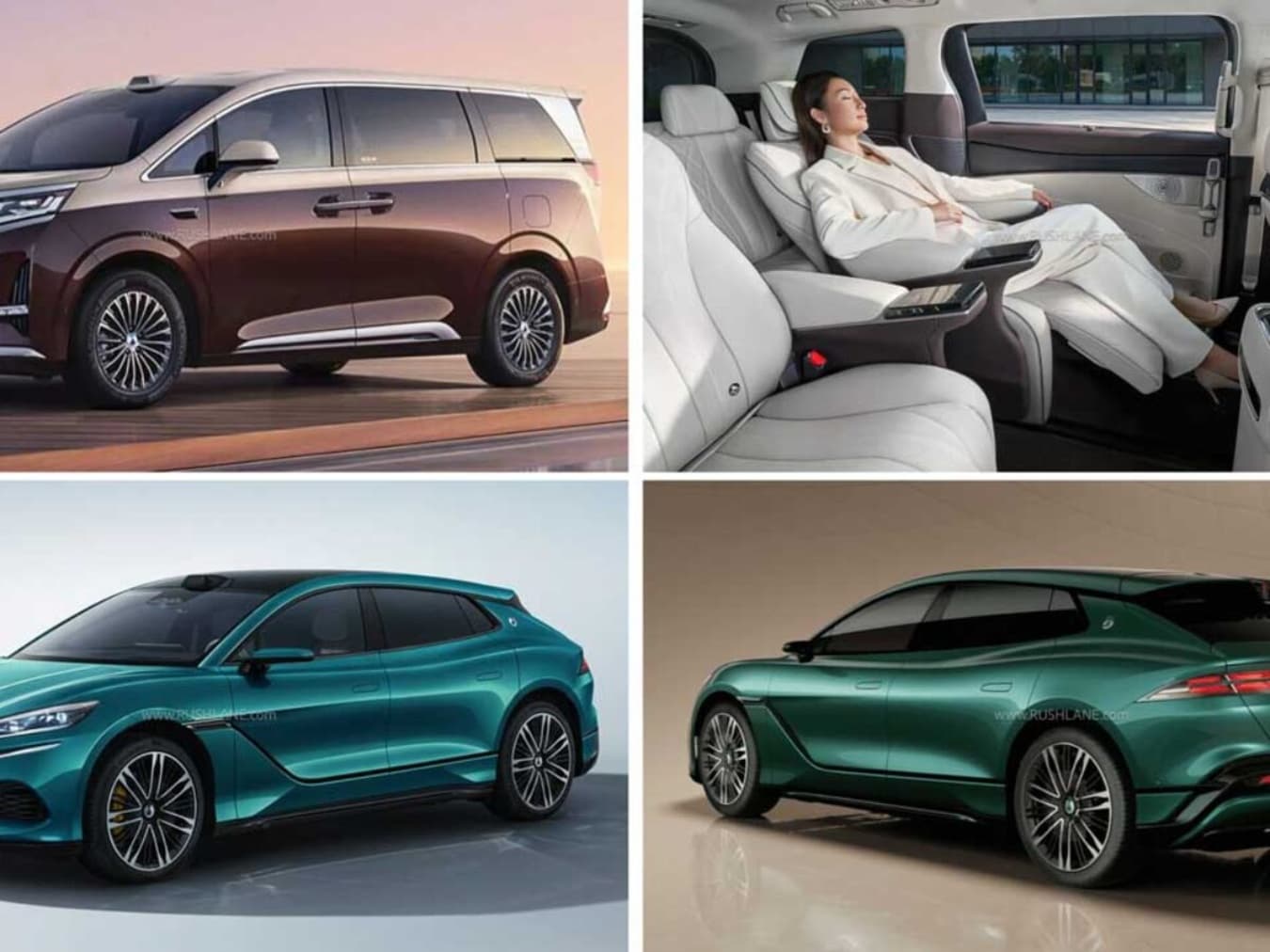
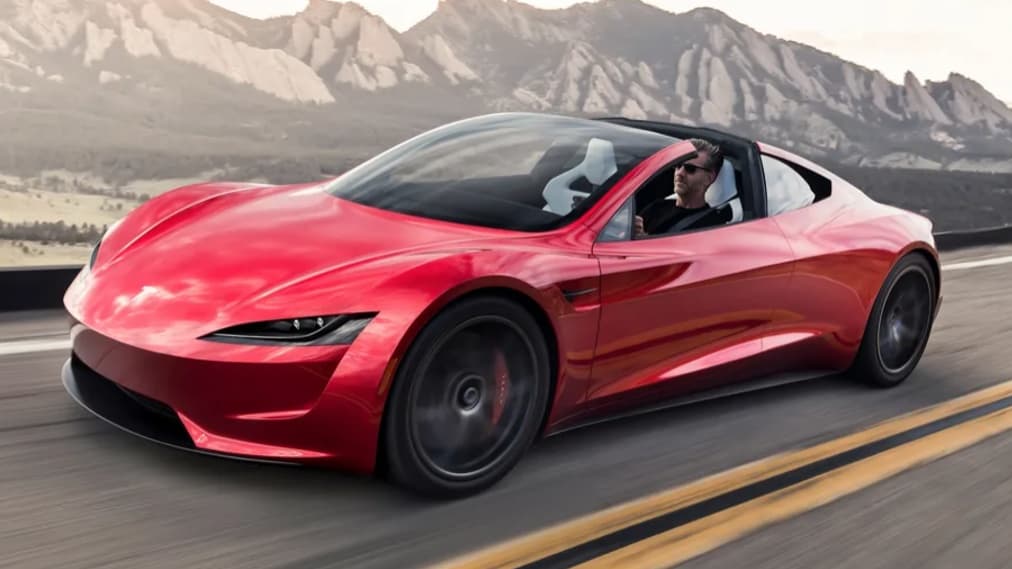
The automotive industry is experiencing unprecedented change, driven by technological advancements that are transforming vehicles, production processes, and the overall driving experience. Innovations in mobility, sustainability, and connectivity are influencing how cars are built, how they operate, and how consumers interact with them. Here are five technologies that are changing the car industry forever.
1. Electric Powertrains
Electric vehicles (EVs) are no longer a futuristic concept but a growing reality. Electric powertrains replace traditional internal combustion engines, offering zero emissions, lower running costs, and quieter operation. Advancements in battery technology, charging infrastructure, and energy efficiency are accelerating the adoption of EVs globally. Automakers are increasingly investing in electric mobility to meet stricter emission regulations and consumer demand for sustainable vehicles.
2. Autonomous Driving Systems
Self-driving technology is transforming the concept of personal and shared mobility. Autonomous driving systems use sensors, cameras, radar, and artificial intelligence to navigate roads without human intervention. While fully autonomous vehicles are still being tested, semi-autonomous features such as lane-keeping assist, adaptive cruise control, and automated parking are already enhancing safety and convenience for drivers.
3. Connected Car Platforms
Connected car technology enables vehicles to communicate with each other, traffic infrastructure, and smartphones. These platforms provide real-time navigation, predictive maintenance alerts, over-the-air software updates, and remote monitoring. Connected vehicles enhance convenience, safety, and efficiency while creating opportunities for new business models such as usage-based insurance and fleet management solutions.
4. Advanced Safety Features
Modern cars now include a wide range of advanced safety technologies designed to reduce accidents and protect passengers. Features such as automatic emergency braking, blind-spot monitoring, collision avoidance systems, and pedestrian detection are becoming standard. These technologies leverage sensors, machine learning, and real-time data to prevent collisions and enhance driver confidence, significantly impacting road safety.
5. Artificial Intelligence and Predictive Maintenance
Artificial intelligence is revolutionizing vehicle diagnostics and maintenance. Predictive maintenance systems use AI algorithms to analyze data from sensors and vehicle systems to identify potential issues before they escalate. This reduces downtime, lowers repair costs, and improves overall vehicle performance. AI is also being used in vehicle design, supply chain management, and customer experience, making the automotive industry more efficient and responsive.
Conclusion
The automotive sector is being reshaped by technologies that improve safety, sustainability, connectivity, and user experience. Electric powertrains, autonomous systems, connected car platforms, advanced safety features, and AI-driven predictive maintenance are not only transforming how vehicles operate but also redefining the future of mobility. For consumers and manufacturers alike, understanding and adopting these technologies is essential to stay ahead in a rapidly evolving automotive landscape.