Government Proposes Mandatory Automatic Emergency Braking in New Cars From 2030
The Ministry of Road Transport and Highways has proposed a new vehicle safety requirement that could make Advanced Emergency Braking Systems mandatory in passenger cars manufactured in India from October 2030. The proposal is part of the government's broader efforts to improve road safety and reduce the number of road accidents and fatalities.
According to a draft notification dated October 19, 2026, new passenger car models would need to be equipped with the system from October 1, 2030. Models introduced before that date and continuing in production would have an additional two years to comply, with the requirement proposed to take effect from October 1, 2032. The proposal is not yet a final regulation.
What Is Advanced Emergency Braking System?
Advanced Emergency Braking System, commonly known as AEBS, is a vehicle safety technology designed to help prevent collisions or reduce their severity. It monitors the road ahead and can detect a potential collision with a vehicle or another recognised obstacle, depending on the system's capabilities.
When the system identifies an imminent collision and the driver does not respond in time, it can automatically apply the brakes. Some systems first provide a visual, audible or other warning before intervening. The exact operation depends on the technology fitted to the vehicle.
AEBS is part of the broader category of Advanced Driver Assistance Systems, or ADAS. Other ADAS technologies include lane-keeping assistance, adaptive cruise control, blind-spot monitoring and driver attention alerts.
The purpose of emergency braking technology is to provide an additional layer of protection when a driver is distracted, reacts too slowly or fails to recognise an immediate hazard. However, it cannot guarantee that every accident will be avoided, and it does not replace attentive driving, safe speeds or maintaining a proper distance from other vehicles.
When Could the New Rule Take Effect?
The draft notification proposes a phased implementation schedule. The dates are intended to give vehicle manufacturers time to adapt their products and ensure that the systems meet the required Indian automotive standards.
| Proposed date | Requirement |
| October 1, 2028 | Vehicles in the specified M1 and N1 categories that are fitted with AEBS would need to comply with AIS-185 |
| October 1, 2030 | AEBS would become mandatory for new M1 passenger car models |
| October 1, 2032 | AEBS would become mandatory for all M1 models, including those already in production |
The M1 category generally covers passenger vehicles with no more than eight seats in addition to the driver's seat. The N1 category covers goods vehicles with a maximum gross vehicle weight of 3.5 tonnes.
Under the proposal, AEBS would have to comply with Automotive Industry Standard AIS-185, as amended from time to time. This standard provides the technical requirements against which the system would be assessed.
Why Is the Government Proposing This Change?
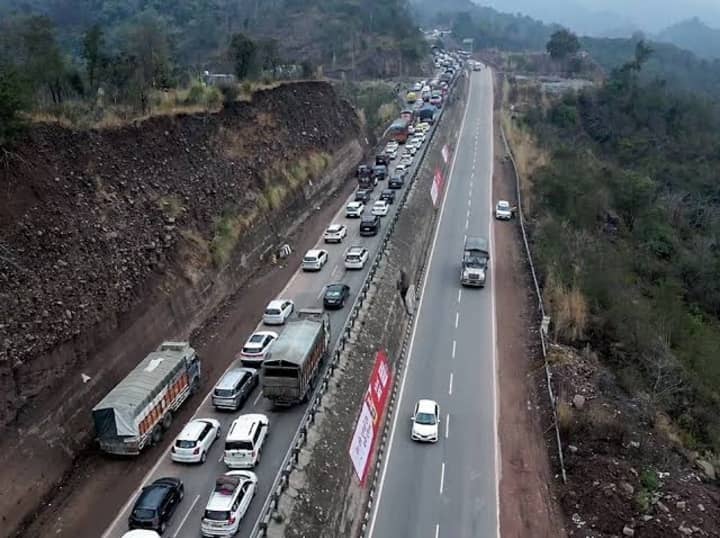
Road safety remains a significant concern in India, where road crashes cause substantial loss of life and injuries every year. The proposed emergency braking requirement is intended to encourage the wider adoption of technology that may help drivers respond to hazards more quickly.
At present, advanced driver assistance features are available in some vehicles sold in India, but their availability varies by manufacturer, model and variant. Making AEBS compulsory, if the draft is adopted, would expand access to this safety technology across the covered passenger vehicle category.
The proposal also gives manufacturers a transition period. New models would have to meet the requirement first, while vehicles already in production would receive an additional two years. This phased approach could give automakers time to revise vehicle designs, integrate the necessary sensors and control systems, and complete compliance testing.
The government has also been pursuing other measures to improve vehicle safety, including stronger braking requirements and electronic stability control for certain commercial vehicles.
Other Safety Measures Included in the Draft
The proposed changes extend beyond emergency braking. The draft notification also addresses steering and lane-keeping technologies, with separate timelines for compliance and mandatory fitment.
From October 1, 2027, steering effort on covered motor vehicles would need to comply with AIS-193, subject to the stated exemptions. Vehicles equipped with Automatic Command Steering Functionalities would also need to meet the relevant standard, while vehicles fitted with Emergency Lane Keeping Systems would need to comply with AIS-191 Part 1.
The draft proposes that automatic steering and emergency lane-keeping systems become mandatory for covered M1 vehicles registered as transport vehicles from October 1, 2029. Driver drowsiness and attention-warning systems are also part of the proposed safety requirements for taxis and other specified transport vehicles. These measures remain subject to the final rules and applicable scope.
What Will the Proposal Mean for Car Buyers?
If the proposal becomes law, future passenger cars sold in India would have to meet additional safety requirements. Buyers may see AEBS included as standard equipment in covered new models after the applicable deadline.
The impact on vehicle prices, however, cannot yet be determined. The final cost would depend on how manufacturers integrate the technology, the equipment already fitted to each vehicle and any changes made before the rules take effect. The draft does not establish a specific price increase for consumers.
The proposed requirements also do not mean that owners must immediately retrofit AEBS to cars already on the road. The draft focuses on vehicles manufactured after the specified dates and distinguishes between new models and all models continuing in production.
Consumers considering a car purchase before the proposed deadlines should therefore check the safety equipment offered in the specific variant. A vehicle may have some ADAS features without necessarily including the exact emergency braking system required by the proposed standard.
Public Feedback and Next Steps
The ministry has invited objections and suggestions on the draft notification. According to the published information, the government will consider feedback after the prescribed consultation period of 30 days from the notification's publication in the Gazette of India. The final requirements and implementation dates may depend on the outcome of that process.
For now, the key development is the government's proposal to introduce AEBS in phases, starting with new passenger car models in October 2030 and extending the requirement to all covered models from October 2032. The measure could mark a significant change in vehicle safety standards if approved in its proposed form.