India’s electric passenger vehicle market continued its strong upward trajectory in May 2026, recording significant growth both on a yearly and monthly basis. According to industry data, total electric car sales reached 26,682 units during the month, marking a sharp 81.2 percent increase compared to 14,725 units sold in May 2025.
On a month on month basis, the segment also showed positive movement. Sales increased by 2 percent compared to April 2026, when 26,160 units were registered. This translates to an additional 522 units sold in May, indicating sustained demand in the electric mobility space.
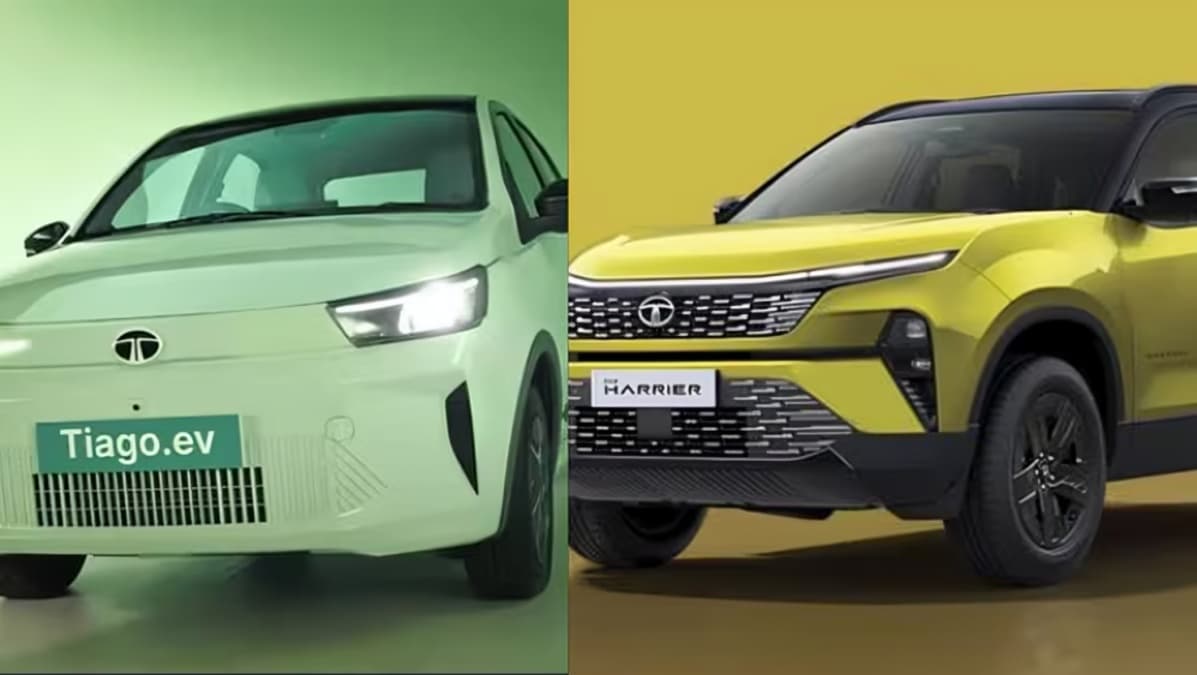
Tata Motors continued to maintain its leadership position in the Indian electric passenger vehicle market. The company’s strong portfolio of electric models, including compact hatchbacks and SUVs, has helped it retain a dominant market share in the segment. Tata’s consistent performance reflects its early investment in electric mobility and strong distribution network across the country.
Industry analysts point out that the growth in electric vehicle sales is being driven by multiple factors. These include increasing fuel prices, rising environmental awareness, government incentives, and the gradual expansion of charging infrastructure across urban and semi urban regions. The availability of more affordable electric models has also contributed to broader adoption among private buyers.
Another key factor supporting growth is the entry of multiple automakers into the electric segment. Both domestic and international manufacturers are expanding their electric vehicle portfolios in India, leading to increased competition and more choices for consumers. This has helped improve product quality, range, and pricing across different categories.
The Indian electric vehicle market is also benefiting from policy support at both central and state levels. Various subsidy schemes, tax benefits, and registration incentives are encouraging consumers to shift towards cleaner mobility options. At the same time, cities are gradually improving charging infrastructure, which remains a key factor in adoption.
Despite the strong growth, industry experts believe that the segment still has significant room for expansion. Electric vehicles currently account for a relatively small share of overall passenger car sales in India. However, the consistent month on month growth trend suggests increasing acceptance among consumers.
Manufacturers are also focusing on improving battery technology, driving range, and charging speed to address consumer concerns. These improvements are expected to further accelerate adoption in the coming years.
With continued growth momentum, the Indian electric passenger vehicle segment is expected to remain one of the fastest growing automotive categories. The performance in May 2026 reinforces the strong long term potential of electric mobility in the country.