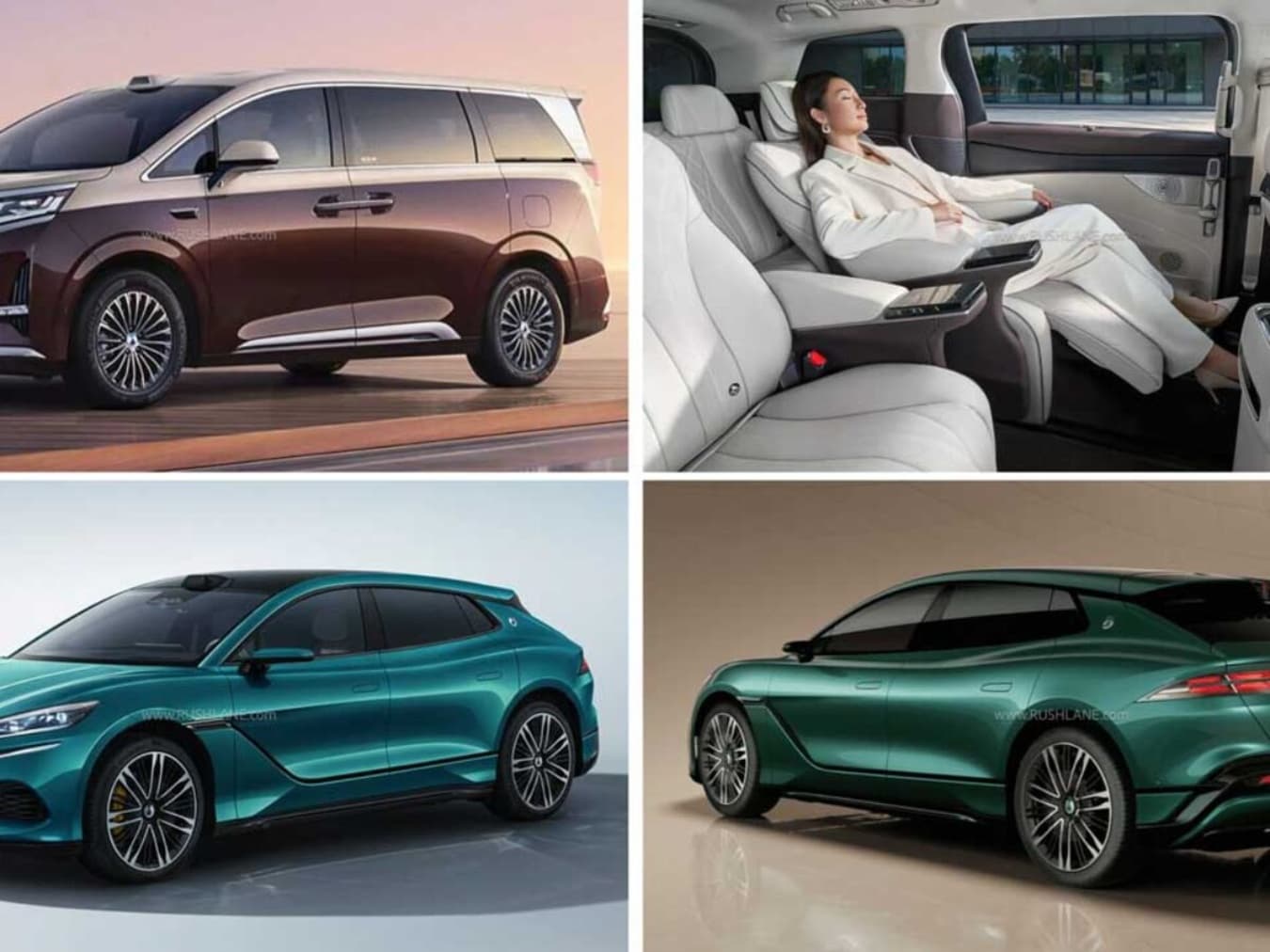
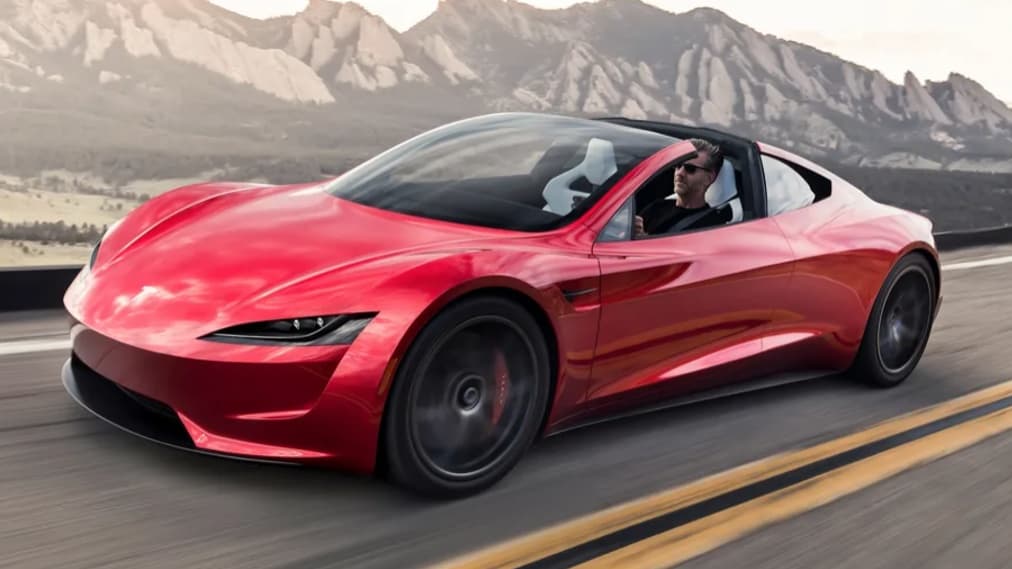
Understanding Electric Vehicles (EVs)
Electric vehicles run entirely on electricity stored in batteries. They do not have an internal combustion engine and therefore produce zero tailpipe emissions. EVs are charged by plugging into an external electricity source, such as a home charger or public charging station.
Pros of Electric Vehicles
- Environmental Benefits: EVs produce no tailpipe emissions, reducing the vehicle's carbon footprint and contributing to improved air quality.
- Lower Operating Costs: Electricity is generally cheaper than gasoline or diesel, resulting in lower fueling costs. Additionally, EVs have fewer moving parts, leading to reduced maintenance expenses.
- Performance: Electric motors provide instant torque, resulting in quick acceleration and a smooth driving experience.
- Incentives: Many governments offer incentives for EV buyers, including tax credits, rebates, and access to carpool lanes.
Cons of Electric Vehicles
- Range Limitations: EVs have a limited range on a single charge, which can be a concern for long-distance travel. While the range of EVs is improving, it is still a consideration for many buyers.
- Charging Infrastructure: Although the number of charging stations is increasing, they are not as widespread as gas stations, which can be inconvenient for some drivers.
- Initial Cost: EVs tend to have a higher upfront cost compared to traditional vehicles, although this can be offset by lower operating costs and incentives.
Understanding Hybrid Vehicles
Hybrid vehicles combine a traditional internal combustion engine with an electric motor and battery. This combination allows hybrids to switch between or simultaneously use the two power sources to optimize fuel efficiency and performance.
Pros of Hybrid Vehicles
- Improved Fuel Efficiency: Hybrids offer better fuel efficiency compared to conventional vehicles, especially in city driving where the electric motor can handle low-speed conditions.
- Extended Range: Hybrids do not have the range limitations of pure EVs since they can run on gasoline when the battery is depleted.
- Lower Emissions: Hybrids produce fewer emissions than conventional vehicles, making them more environmentally friendly.
- Flexibility: The combination of an internal combustion engine and an electric motor provides flexibility in driving conditions and reduces reliance on charging infrastructure.
Cons of Hybrid VehiclesComplexity: The dual powertrain system in hybrids can lead to higher maintenance costs and potential reliability issues compared to simpler EVs.
Less Environmental Benefit: While hybrids are more eco-friendly than conventional cars, they do not offer the zero-emissions benefits of fully electric vehicles.
Initial Cost: Hybrids are generally more expensive than traditional vehicles, though they may be cheaper than EVs.
Practicality: Electric vs. Hybrid
The practicality of choosing between an EV and a hybrid depends on individual needs and circumstances. EVs are ideal for those with a regular driving pattern within the vehicle's range, access to charging infrastructure, and a strong preference for zero-emission driving. On the other hand, hybrids offer greater flexibility and are suitable for drivers who need the reassurance of extended range and the convenience of refueling at any gas station.
Conclusion
Both electric and hybrid vehicles present viable alternatives to traditional internal combustion engine cars, each with distinct advantages and drawbacks. Understanding the pros and cons of each type can help consumers make informed decisions based on their specific needs, driving habits, and environmental considerations. As technology continues to advance, the gap between the practicality of EVs and hybrids is expected to narrow, providing even more options for eco-conscious drivers.