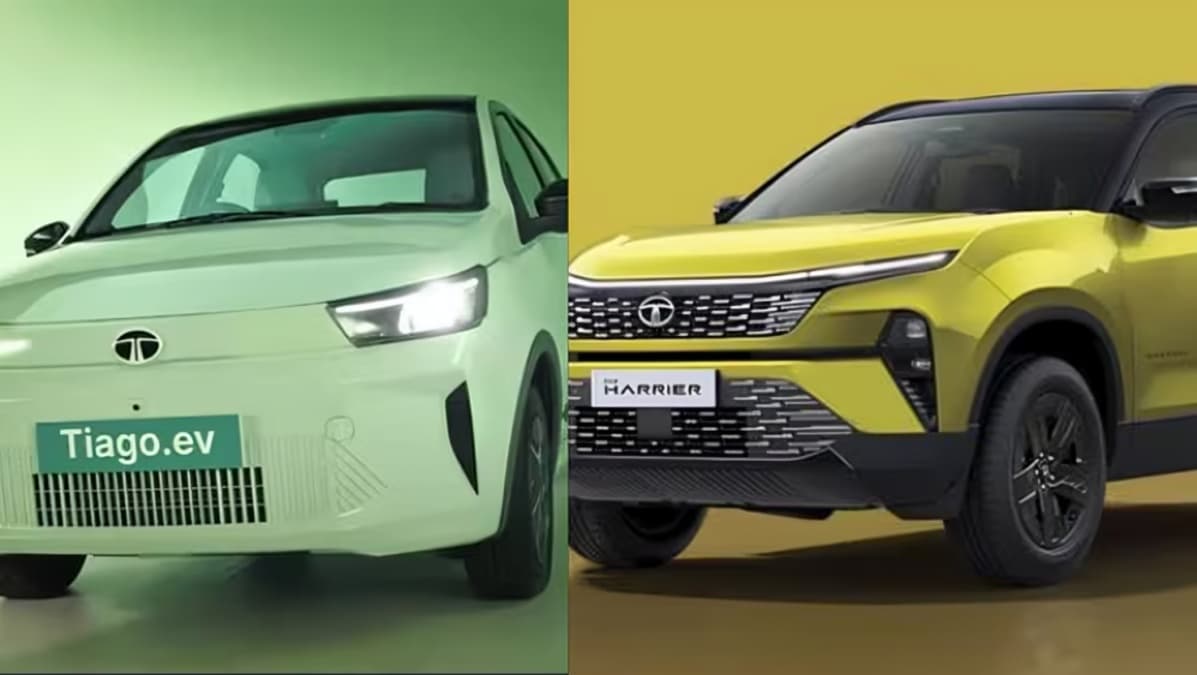

The upcoming Free Trade Agreement between India and the United Kingdom is expected to bring significant changes to bilateral trade relations, particularly in the automotive sector. Scheduled to come into effect on July 15, 2026, the agreement is anticipated to create new growth opportunities for vehicle manufacturers in both countries while strengthening economic cooperation.
One of the key sectors expected to benefit from the agreement is the electric vehicle industry. Indian automakers such as Tata Motors and Mahindra and Mahindra have been expanding their electric mobility portfolios in recent years. Industry observers believe that the trade agreement could help these companies explore broader opportunities in the United Kingdom, one of Europe's leading markets for electric vehicles.
The UK has witnessed steady growth in the adoption of electric vehicles as consumers increasingly shift toward sustainable transportation options. Government initiatives promoting cleaner mobility, investments in charging infrastructure and growing environmental awareness have contributed to rising demand for electric vehicles across the country.
For Indian manufacturers, access to a mature electric vehicle market presents an opportunity to showcase their products on a larger international platform. Tata Motors and Mahindra have invested significantly in electric mobility technologies, introducing new models and expanding production capabilities to meet future demand.
The Free Trade Agreement is expected to reduce trade barriers and improve market access between the two countries. While the final impact will depend on specific implementation measures and regulatory frameworks, industry experts suggest that lower tariffs and simplified trade procedures could enhance competitiveness for automotive exports.
The agreement may also encourage collaboration in areas such as advanced manufacturing, battery technology, research and development and supply chain integration. Such partnerships could contribute to innovation and accelerate the growth of electric mobility ecosystems in both countries.
Tata Motors has emerged as one of India's leading electric vehicle manufacturers, supported by a growing range of passenger electric vehicles and investments in future mobility solutions. The company has consistently expanded its EV portfolio to address evolving consumer preferences and strengthen its market presence.
Similarly, Mahindra and Mahindra has made substantial investments in electric mobility and has outlined ambitious plans to introduce multiple electric vehicle models in the coming years. The company views electric transportation as a major growth area and has focused on developing products tailored to changing market requirements.
Automobile industry analysts note that the United Kingdom could serve as an attractive destination for Indian electric vehicle exports due to its strong demand for sustainable transportation and established regulatory support for low-emission vehicles. Increased market access may provide Indian manufacturers with opportunities to diversify revenue streams and strengthen their international presence.
The trade agreement is also expected to benefit British businesses seeking greater access to India's rapidly expanding automotive market. India remains one of the world's largest automobile markets and continues to attract investment from global manufacturers and technology providers.
Beyond the automotive industry, the Free Trade Agreement aims to enhance cooperation across multiple sectors, including technology, manufacturing, services and investment. Policymakers from both countries have emphasized the importance of strengthening economic ties and promoting long-term growth through increased trade and collaboration.
Experts believe that successful implementation of the agreement could contribute to greater investment flows, job creation and technology transfer. The automotive sector, particularly electric mobility, is likely to remain a key area of focus due to its strategic importance in future transportation systems.
As the implementation date approaches, businesses and industry stakeholders will closely monitor the details of the agreement and assess its impact on trade, investment and market opportunities. For companies such as Tata Motors and Mahindra and Mahindra, the agreement could represent an important step toward expanding their presence in international electric vehicle markets.