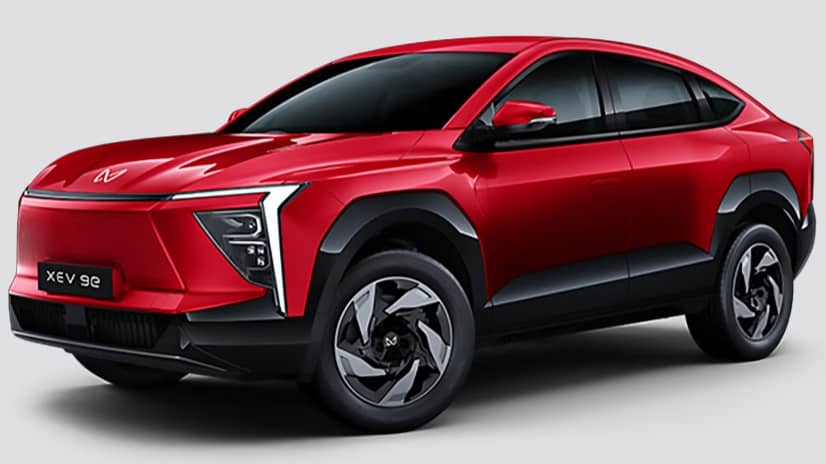
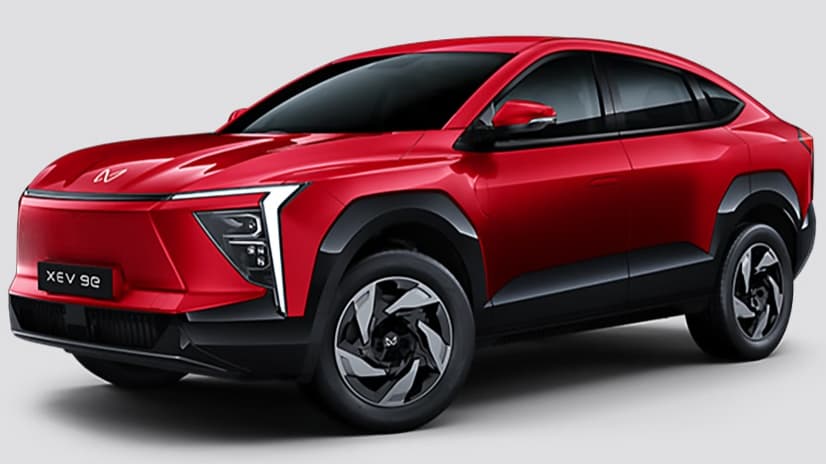
Mahindra’s electric SUV series now features two prominent models – the XEV9s and XEV9e – targeting different segments of India’s growing electric vehicle (EV) market. Both vehicles share Mahindra’s commitment to electric mobility, sustainability, and modern design, but they cater to distinct buyer priorities in terms of performance, features, and pricing.
The XEV9s is positioned as a high-performance, premium electric SUV. It boasts a powerful electric motor capable of delivering faster acceleration and higher top speeds, making it suitable for highway driving and longer trips. The SUV comes with a larger battery pack, offering extended range on a single charge, and is equipped with fast-charging support for quicker turnaround. Interiors are upgraded with high-quality materials, premium seating, and advanced infotainment systems featuring larger touchscreens, connected services, and enhanced comfort features. Safety remains a priority, with multiple airbags, electronic stability control, ABS with EBD, and advanced driver-assistance systems (ADAS) included in higher trims.
On the other hand, the XEV9e is designed for city commuters and practical EV buyers who prioritize affordability, efficiency, and urban maneuverability. It comes with a moderately powered motor optimized for city driving, offering a balanced range suitable for daily commutes. The XEV9e’s battery supports standard charging along with moderate fast-charging options. Interiors are functional yet comfortable, with essential infotainment and connectivity features. Safety equipment includes standard airbags, ABS, and seatbelt reminders. The XEV9e provides a cost-effective alternative for buyers entering the EV segment without compromising on quality or reliability.
In terms of pricing, the XEV9s commands a premium due to its higher performance, additional features, and longer range, while the XEV9e is more budget-friendly, targeting price-conscious consumers. The vehicles’ exterior design language is similar, featuring Mahindra’s modern SUV styling cues, aerodynamic lines, and LED lighting, but the XEV9s emphasizes a sportier, more aggressive appearance. Both SUVs are expected to compete with rivals in the electric SUV segment, including offerings from Tata, MG Motor, and Hyundai.
Mahindra’s dual approach with the XEV9 series demonstrates its strategy to appeal to diverse customer needs – from high-performance enthusiasts seeking longer-range capabilities to urban commuters looking for practical and affordable EV options. Analysts suggest that this lineup will strengthen Mahindra’s presence in India’s EV market while encouraging wider adoption of electric mobility.
In conclusion, the Mahindra XEV9s and XEV9e offer distinct propositions for buyers in the electric SUV segment. While the XEV9s prioritizes performance, range, and premium features, the XEV9e focuses on practicality, affordability, and city-friendly efficiency. Both models highlight Mahindra’s focus on innovation, safety, and sustainability, helping consumers choose the right EV based on their driving needs, budget, and lifestyle.