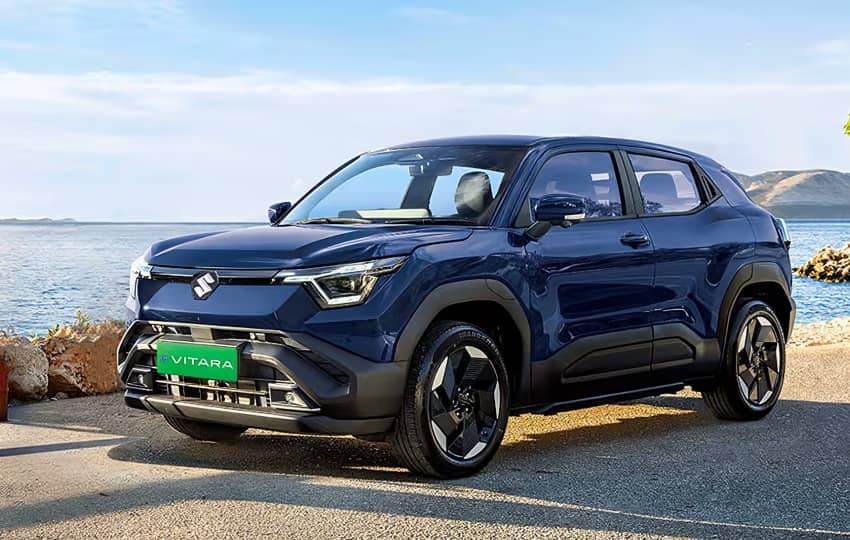
Maruti Suzuki, India’s leading car manufacturer, is preparing to enter the electric vehicle (EV) segment with the much-anticipated e-Vitara SUV. The launch is expected to strengthen Maruti’s presence in India’s EV market, which is witnessing growing demand due to government incentives, environmental awareness, and rising fuel costs. The e-Vitara is aimed at urban and semi-urban buyers seeking a practical, stylish, and technologically advanced electric SUV.
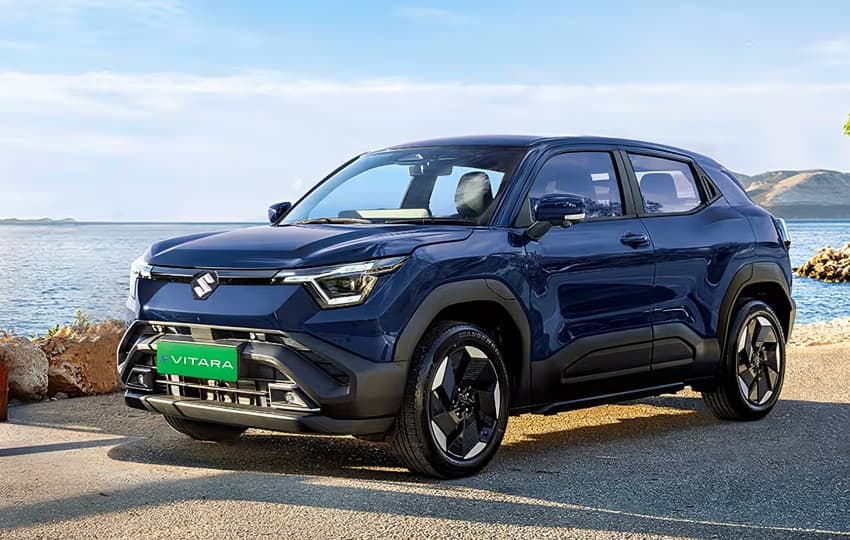
The e-Vitara is expected to feature a contemporary SUV design with aerodynamic styling, sleek LED headlights, and a sporty silhouette. The interior is likely to focus on comfort and convenience, with premium materials, ample cabin space, and eco-friendly elements, reflecting Maruti’s commitment to sustainable mobility. Advanced infotainment systems, touchscreen displays, and connectivity features such as smartphone integration are expected to enhance the driving experience.
Performance and efficiency are key aspects of the e-Vitara. Maruti Suzuki is reportedly working on an electric powertrain that delivers competitive range, smooth acceleration, and low maintenance requirements. The SUV is expected to support fast-charging technology, allowing drivers to recharge quickly at home or public charging stations. Features like regenerative braking may further improve energy efficiency and driving range.
Safety features are also expected to be a priority in the e-Vitara. Analysts anticipate the inclusion of multiple airbags, anti-lock braking system (ABS), electronic stability control (ESC), and advanced driver-assistance systems (ADAS). These features aim to provide both driver confidence and passenger security, keeping the SUV competitive against existing EVs in India.
Maruti Suzuki’s entry with the e-Vitara could redefine affordability in the EV segment. The company is expected to price the SUV strategically to attract middle-class buyers who seek an electric alternative without compromising on practicality. With growing infrastructure for charging stations in major cities and government incentives, the e-Vitara could emerge as one of the preferred choices for Indian buyers transitioning to electric mobility.
Industry experts suggest that the e-Vitara will play a pivotal role in Maruti’s electrification strategy, serving as a benchmark for future electric models from the company. It is likely to compete with EVs from Hyundai, Tata Motors, MG Motor, and other manufacturers targeting the compact and mid-size SUV segments. The success of the e-Vitara could also accelerate Maruti’s investment in EV technology, battery development, and local manufacturing capabilities.
In conclusion, the Maruti Suzuki e-Vitara promises to be a significant addition to India’s electric SUV segment. With modern design, advanced safety, efficient performance, and smart features, it is positioned to attract both urban and semi-urban buyers. The launch is expected to mark a crucial step in India’s shift toward sustainable mobility, providing an affordable and practical EV option for a wide range of consumers.