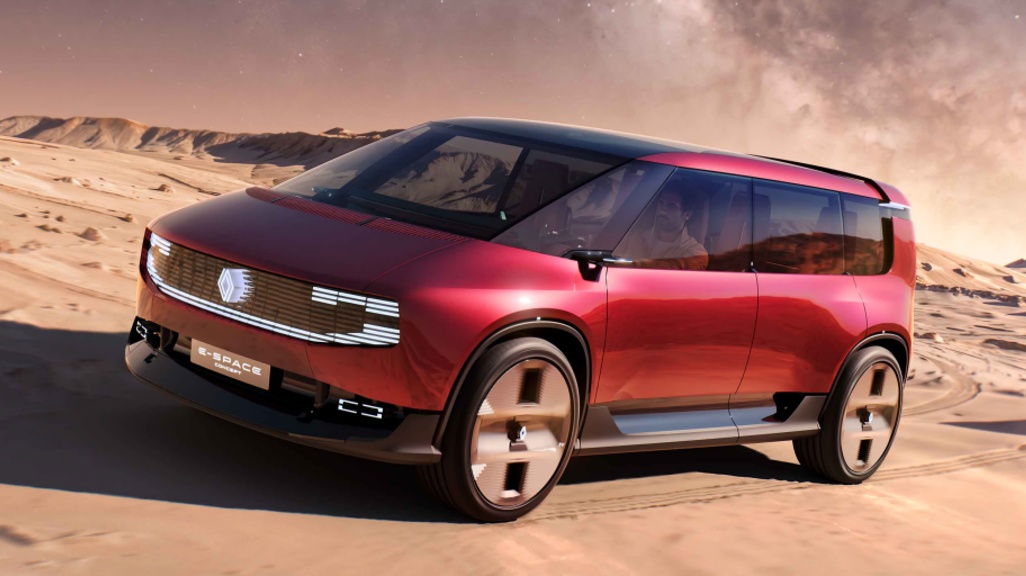
Renault E-Space Concept Debuts at Paris Motor Show 2026 With Six Seats and an Electric Powertrain
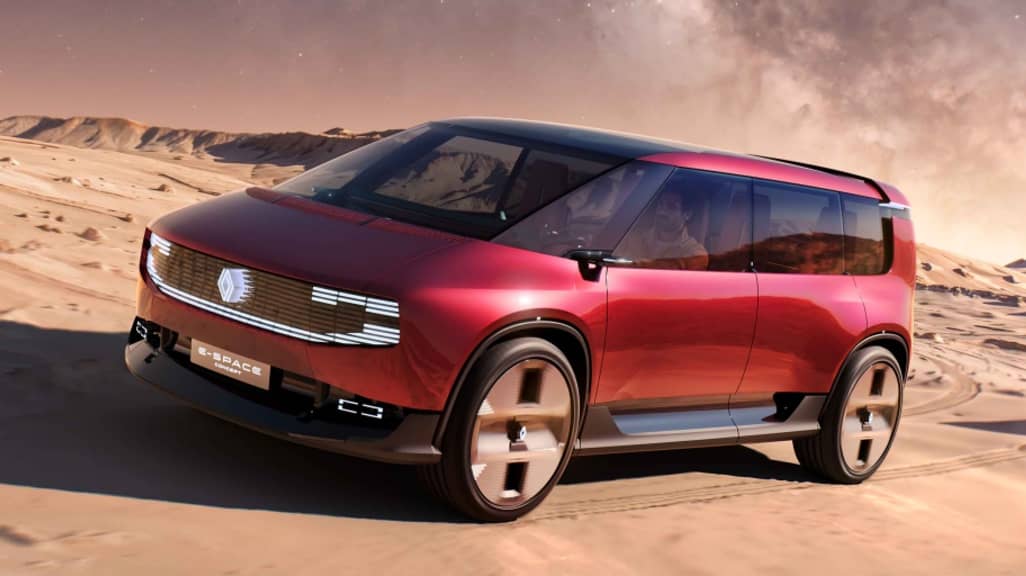
Renault has unveiled the E-Space Concept at the 2026 Paris Motor Show, presenting a new vision of family mobility built around electric technology, interior space and passenger comfort. The concept vehicle reimagines the traditional multi-purpose vehicle, or MPV, with a modern design and a flexible cabin intended to make journeys more comfortable for families.
The E-Space Concept features six individual seats arranged across three rows, a flat cabin floor and a panoramic digital display. Measuring 4.70 metres in length, the concept combines a relatively compact exterior with an interior designed to maximise usable space.
Renault says the concept draws inspiration from the original Espace, which was launched in 1984 and helped establish the modern European people-carrier segment. The new design revisits that model's emphasis on space and versatility while exploring how those principles could be adapted for the electric era.
The vehicle is currently a concept rather than a confirmed production model. Renault has stated that there are no plans at present to manufacture a production version.
Six Seats and a Flexible Interior
One of the main highlights of the Renault E-Space Concept is its six-seat layout. The seats are arranged in three rows, with the cabin designed to offer a more open and adaptable environment than a conventional family vehicle.
The second-row seats can rotate by up to 180 degrees, allowing passengers to face the rear seats in certain configurations. This arrangement could make it easier for family members to interact during longer journeys. The seats can also be folded to create table-like surfaces for practical use inside the cabin.
A movable centre console adds another element of flexibility. Renault has designed the interior to function as a shared living space rather than simply a conventional passenger compartment. Storage areas and configurable seating are intended to make the cabin suitable for different travel needs.
The flat floor is another important feature of the concept. An electric vehicle architecture can create opportunities to rethink how space is organised inside the cabin, and Renault uses this approach to emphasise openness and passenger comfort.
However, the final seating arrangements, safety systems and interior equipment of any future production vehicle could differ from those shown in the concept.
Panoramic Digital Display and New Technology
The E-Space Concept features a wide OpenR Panorama display that stretches across the dashboard area. The screen replaces the appearance of a conventional instrument panel with a broad digital interface designed to give the cabin a modern, technology-focused character.
The display is intended to bring vehicle information and multimedia functions together in a more integrated layout. Renault's wider approach to interior technology focuses on making digital systems accessible while keeping the cabin comfortable for occupants.
The concept also incorporates steer-by-wire technology, which replaces the traditional mechanical connection between the steering wheel and the front wheels with an electronic control system. Renault presents this technology as part of its effort to rethink the driving position and create additional design flexibility.
These features remain part of a concept vehicle, so their final specifications and availability in future production models have not been confirmed.
All-Electric Design and Family Mobility
The Renault E-Space Concept has been developed around an all-electric powertrain. Its electric layout supports the flat cabin floor and reinforces Renault's broader strategy of exploring new forms of electrified mobility.
Rather than following the styling of a conventional sport utility vehicle, the concept returns to the single-volume shape associated with traditional MPVs. Its large glazed areas are intended to create a brighter cabin, while the body design combines modern lighting details with a silhouette inspired by earlier Espace models.
Renault describes the vehicle as a people-focused concept that places the passenger experience at the centre of the design process. The emphasis is on comfort, natural light, flexible space and useful technology.
The company has not announced confirmed production specifications for the concept, including its battery capacity, driving range, charging times or performance figures. These details should not be assumed from the design study alone.
A Modern Interpretation of the Original Renault Espace
The original Renault Espace debuted in 1984 and became associated with the idea of a spacious vehicle designed around passengers and family use. Its flexible cabin and people-carrier format helped distinguish it from conventional passenger cars of its time.
The E-Space Concept revisits those principles more than four decades later. Renault is exploring how a similar focus on interior space and versatility might work in an electric vehicle designed for contemporary travel.
The concept also reflects a wider design question facing carmakers: whether future family vehicles must follow the SUV format or whether other body styles can offer a compelling combination of practicality, comfort and technology.
By presenting the E-Space Concept, Renault is signalling interest in an alternative approach that places cabin experience ahead of the traditional SUV design formula. Whether this direction reaches production will depend on future product decisions and market requirements.
Will the Renault E-Space Concept Enter Production?
Despite its public debut at the 2026 Paris Motor Show, the E-Space Concept has not been confirmed for production. Renault has explicitly stated that there are currently no plans for a production version.
The concept should therefore be viewed as an exploration of design and future family mobility rather than an upcoming car with a confirmed launch date. No production price, retail launch schedule or final technical specifications have been announced.
For now, the vehicle demonstrates Renault's ideas for combining electric technology with a flexible six-seat interior and a more passenger-focused design. Its final influence on future Renault vehicles remains to be seen.
The E-Space Concept nevertheless offers a glimpse of how family cars could evolve as manufacturers continue to develop electric platforms and rethink cabin layouts. Its focus on space, adaptable seating and integrated digital technology illustrates one possible direction for future family mobility, without guaranteeing that the concept itself will reach showrooms.