India’s electric passenger vehicle market recorded a significant increase in September 2026, with electric car registrations nearly doubling compared with the same month last year. The growth indicates that demand for electric vehicles is continuing to strengthen as more models become available across different price segments and consumers increasingly consider alternatives to conventional petrol and diesel vehicles.
According to Vahan based data compiled by industry analysts, electric passenger vehicle registrations reached around 35,948 units in September 2026. This represented approximately 94 percent growth compared with the corresponding period last year. Electric vehicles accounted for about 8.3 percent of total passenger vehicle registrations during the month. Registrations also increased from August, when the segment recorded around 32,433 units.
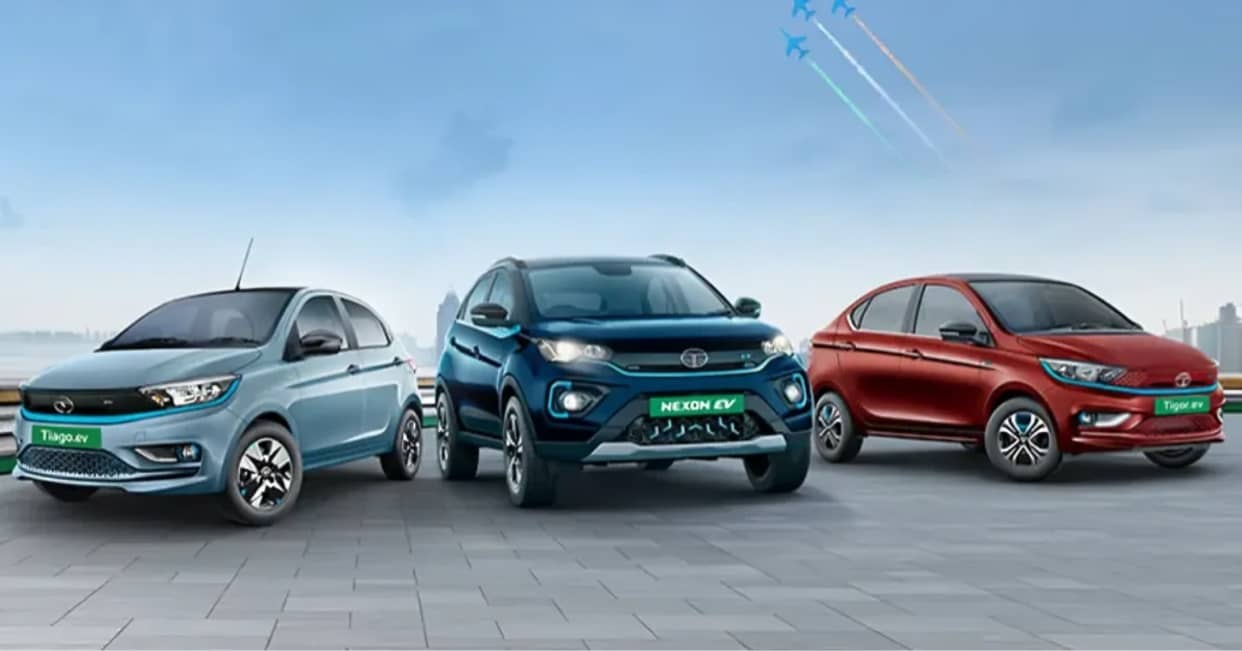
Tata Motors continued to dominate the electric passenger vehicle market in September. The company registered 14,769 electric passenger vehicles during the month, according to one Vahan based industry dataset. This represented a year on year increase of about 101 percent. Tata Motors accounted for approximately 41.03 percent of the electric passenger vehicle market, allowing the company to retain its position as the largest EV manufacturer in the segment.
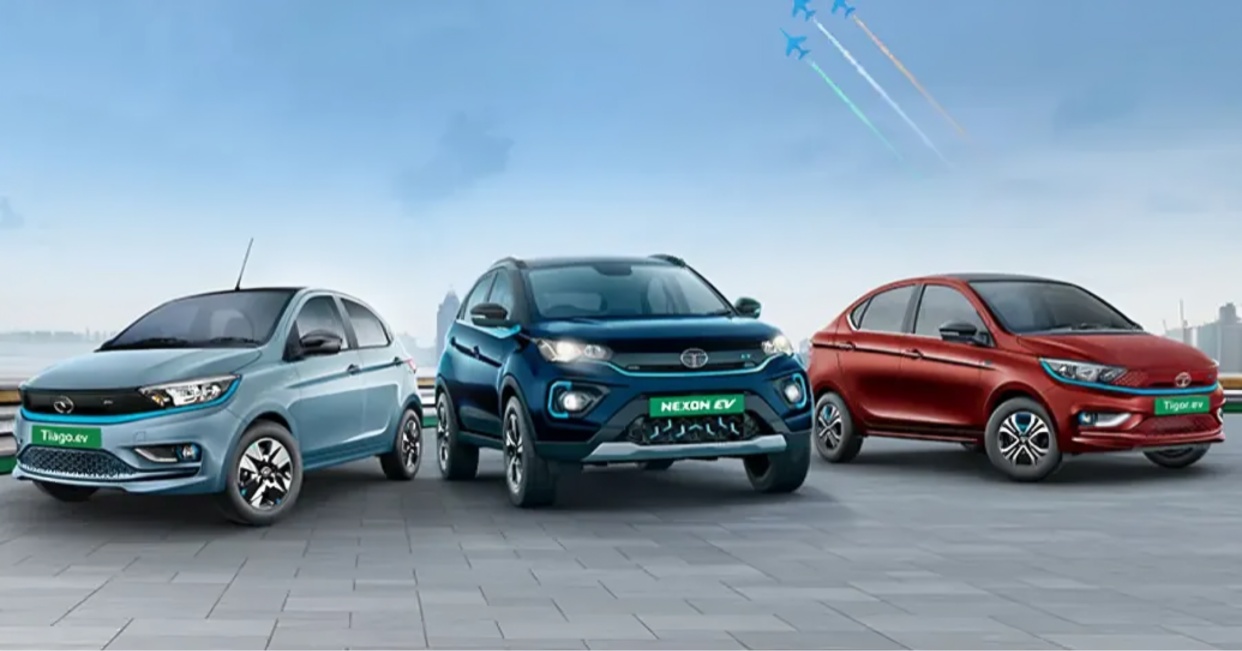
Tata Motors performance was supported by demand across its electric vehicle portfolio. Models such as the Nexon EV, Punch EV and Tiago EV have helped the company maintain a strong presence in India’s electric car market. The company has also expanded its electric vehicle offerings and introduced new ownership and financing approaches aimed at making EVs more accessible to customers.
Mahindra and Mahindra remained in second place during September. The company recorded 7,779 electric passenger vehicle registrations, representing growth of approximately 96 percent compared with September 2025. Mahindra held around 21.61 percent of the market. The company’s electric SUV portfolio has become an important contributor to the growth of its EV business.
The combined performance of Tata Motors and Mahindra is significant because the two companies accounted for more than 60 percent of India’s electric passenger vehicle registrations during the month. This shows that established Indian manufacturers continue to hold a strong position in the rapidly expanding electric car market.
JSW MG Motor India ranked third in September with more than 5,200 electric vehicle registrations. Its sales increased compared with the previous year, although its market share declined as the overall EV market expanded at a faster rate. The company continued to remain one of the major electric vehicle manufacturers in India.
VinFast also recorded notable growth during the month. The company registered nearly 3,000 vehicles and increased its market presence significantly. VinFast has been expanding its operations in India and is seeking to establish itself as an important player in the country’s growing electric vehicle market.
Another important development was the performance of Kia. Kia recorded more than 1,200 electric vehicle registrations during September and moved ahead of Maruti Suzuki in the monthly electric passenger vehicle rankings in some industry datasets. Maruti Suzuki, meanwhile, continued building its presence in the EV market following the launch of its electric vehicle offerings.
The September numbers also show that competition in India’s electric car industry is becoming broader. While Tata Motors and Mahindra continue to account for a large share of the market, manufacturers such as JSW MG Motor India, VinFast, Kia, Maruti Suzuki, Hyundai, BYD and others are competing for customers.
The growth in electric vehicle registrations comes at a time when consumers are becoming increasingly aware of fuel costs, running expenses and the availability of charging infrastructure. The expansion of charging networks across cities and highways is gradually addressing one of the key concerns associated with electric vehicle ownership.
The availability of more electric models is another factor supporting market growth. Customers now have more choices across hatchbacks, compact SUVs, larger SUVs and premium vehicles. This wider product range is helping electric vehicles reach different categories of buyers.
September also marked a strong period for the overall electric passenger vehicle market when compared with the previous year. Industry data showed that registrations between April and September 2026 reached nearly 1.92 lakh units, representing growth of about 89 percent compared with the corresponding period a year earlier. The July to September quarter alone accounted for more than 1.03 lakh registrations.
The increasing share of electric vehicles in the passenger vehicle market is another important development. EV penetration reached around 8.3 percent in September, compared with approximately 7.6 percent in August, according to Vahan based figures compiled by Nuvama. This means that roughly one out of every twelve passenger vehicles registered during the month was electric.
Analysts have pointed to the increasing availability of models and growing consumer acceptance as factors supporting the expansion of the electric vehicle market. Manufacturers are also introducing new products and improving battery technology, charging options and ownership packages to attract more customers.
The competitive environment is expected to become stronger in the coming months as manufacturers expand their electric portfolios. The entry of new companies and the introduction of additional models could gradually reduce the market concentration currently enjoyed by the leading manufacturers.
For Tata Motors, maintaining its leadership will depend on its ability to sustain sales momentum while responding to increasing competition. Mahindra is also strengthening its position through its electric SUV range, while other manufacturers are expanding their offerings across different price categories.
The September 2026 figures therefore represent an important milestone for India’s electric passenger vehicle market. Sales growth of nearly 94 percent over the previous year indicates that electric cars are moving further into the mainstream Indian automobile market. At the same time, the increasing number of manufacturers and models suggests that consumers will have more choices in the future.
Although electric vehicles still represent a smaller portion of the overall passenger vehicle market, the rapid growth in registrations shows that their presence is increasing. Continued expansion of charging infrastructure, greater model availability, competitive pricing and improvements in battery technology are likely to remain important factors influencing future adoption.
With Tata Motors continuing to lead and Mahindra maintaining the second position, September’s sales data also highlights the changing competitive landscape. Newer players are gaining ground, while established manufacturers are increasing their focus on electric mobility. The coming months are likely to provide a clearer picture of whether the strong September growth can be sustained through the festive season and beyond.