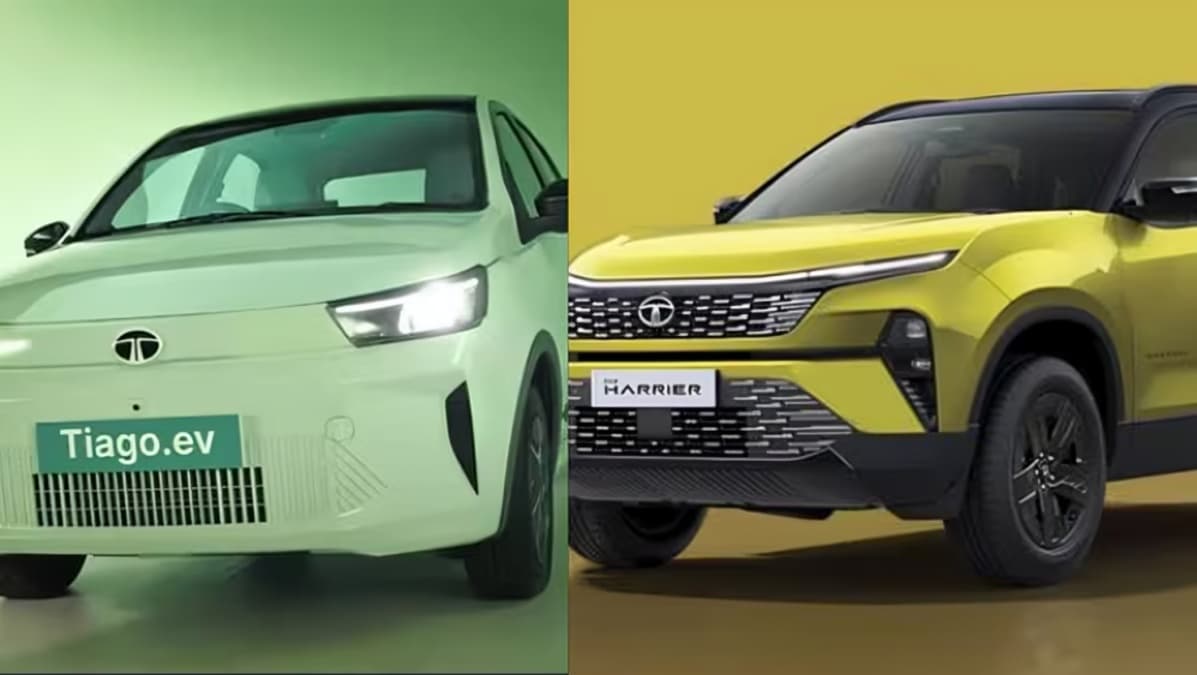
Tata Motors is reportedly planning to reintroduce physical buttons and traditional controls in some of its future vehicle models, responding to customer feedback regarding the usability of touchscreen-dominated interiors. The development highlights a growing trend within the global automotive industry, where manufacturers are reassessing the role of physical controls in modern vehicle design.
Over the past decade, automakers have increasingly adopted large touchscreen displays to manage various vehicle functions, including climate control, infotainment systems, navigation and connectivity features. While these digital interfaces offer advanced functionality and a modern appearance, some consumers have expressed concerns about ease of use and accessibility while driving.
According to industry reports, Tata Motors is studying customer preferences and exploring ways to improve the overall driving experience. The company is expected to strike a balance between advanced digital technologies and practical physical controls that allow drivers to operate key functions more conveniently.
Physical buttons have traditionally played an important role in vehicle interiors. Many drivers prefer tactile controls because they can often be operated without taking their eyes off the road. Features such as climate adjustment, audio controls and essential vehicle settings are frequently cited as functions that benefit from dedicated buttons or switches.
The discussion surrounding vehicle controls has gained momentum globally as manufacturers seek to improve safety and usability. Several automotive companies have begun reconsidering design approaches that rely heavily on touchscreen interfaces. Industry experts note that while digital displays provide flexibility and customization, physical controls can offer quicker access to frequently used functions.
Tata Motors has established itself as one of India's leading automobile manufacturers, with a growing portfolio of passenger vehicles, sport utility vehicles and electric vehicles. The company has invested significantly in modern design, connected technologies and digital features in recent years. Many of its latest models feature large infotainment screens and advanced user interfaces aimed at enhancing the customer experience.
The reported move to reintroduce physical controls does not necessarily indicate a shift away from digital technology. Instead, industry observers believe the company may adopt a hybrid approach that combines touchscreen functionality with strategically placed physical buttons for essential operations. Such a design philosophy could help improve convenience while retaining the benefits of modern vehicle technology.
Consumer expectations within the automotive sector continue to evolve rapidly. Buyers increasingly seek vehicles that offer advanced connectivity, smartphone integration and digital services. At the same time, practicality and ease of use remain important considerations when evaluating vehicle interiors.
Automotive design experts emphasize that usability is becoming a major factor in vehicle development. Manufacturers are paying closer attention to how drivers interact with technology during everyday use. The objective is to create interfaces that are intuitive, safe and efficient without overwhelming users with unnecessary complexity.
The trend toward reintroducing physical controls has also been observed in discussions across international automotive markets. Some industry analysts suggest that customer feedback is encouraging manufacturers to reassess certain design choices made during the rapid transition toward fully digital cabins.
For Tata Motors, customer feedback has played a significant role in product development and feature planning. The company regularly evaluates market preferences and ownership experiences to refine future vehicle offerings. Incorporating customer suggestions can help strengthen brand loyalty and improve overall satisfaction.
Industry reports indicate that any future implementation of physical controls would likely focus on high-frequency functions that drivers access regularly. This approach would allow digital displays to continue managing advanced settings while ensuring that essential features remain easily accessible.
The potential return of physical buttons reflects a broader conversation about the future of vehicle interiors. As automotive technology continues to advance, manufacturers are increasingly focused on creating designs that balance innovation with practicality.
While Tata Motors has not officially announced specific product changes, the reported consideration of physical controls demonstrates the company's responsiveness to customer feedback. If implemented, the move could influence future vehicle designs and contribute to ongoing discussions about usability and driver-focused technology in the automotive industry.