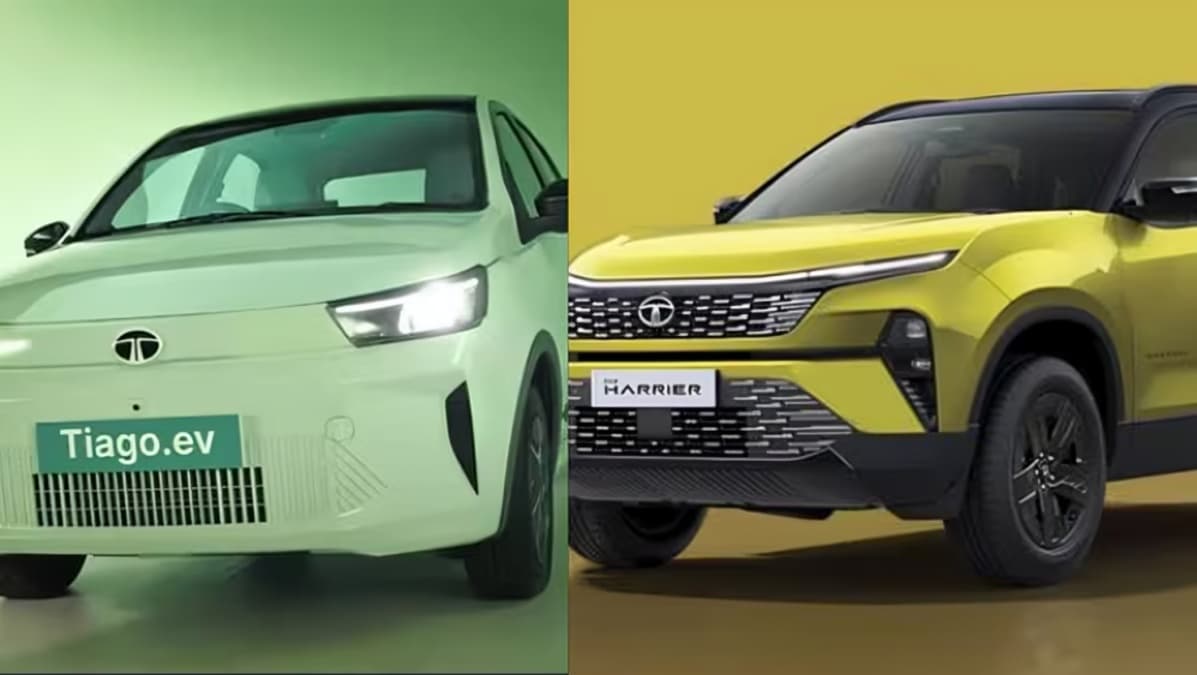
Tata Motors has confirmed an extensive product rollout strategy for FY2027, with plans to launch six vehicles including two completely new models and four facelift versions of existing products. The company’s upcoming launches are expected to strengthen its position across multiple automobile segments, including conventional fuel vehicles and electric mobility.
According to industry reports, Tata Motors aims to expand its portfolio from entry level passenger vehicles to premium electric models as part of its long term growth strategy. The planned launches are expected to include updates to some of the company’s popular existing models along with the debut of a new premium electric vehicle focused sub brand.
The announcement highlights Tata Motors’ continued focus on innovation, product expansion and electric mobility at a time when demand for EVs is steadily increasing in the Indian market. The company has already established itself as one of the leading electric passenger vehicle manufacturers in India through models such as the Nexon EV and Tiago EV.
Industry analysts believe the six vehicle rollout demonstrates Tata Motors’ intention to maintain strong competition in both the internal combustion engine segment and the rapidly growing EV market. The planned launches are expected to target a wide range of customers, from budget conscious buyers to premium electric vehicle consumers.
Reports indicate that the company’s future lineup may include refreshed versions of several existing vehicles featuring updated styling, improved interiors, enhanced technology features and upgraded safety systems. Facelift models are commonly introduced by automobile manufacturers to keep products competitive in a changing market environment.
The two new vehicles planned for FY2027 are expected to play a significant role in Tata Motors’ future strategy. One of the major highlights is likely to be the introduction of a premium electric vehicle under a new EV focused identity. The move reflects the company’s increasing investment in sustainable transportation and next generation mobility solutions.
India’s automobile industry has been witnessing rapid transformation due to rising interest in electric vehicles, stricter emission regulations and changing consumer preferences. Automobile manufacturers are increasingly focusing on connected technology, battery powered mobility and advanced safety features to attract customers.
Tata Motors has emerged as one of the leading players in India’s electric vehicle market over the past few years. Government incentives, rising fuel prices and increasing environmental awareness have contributed to the growing adoption of electric mobility across the country.
Automobile experts believe the company’s upcoming launches could intensify competition in the Indian market, especially in the EV and compact SUV segments. Multiple automobile manufacturers are currently expanding their electric vehicle portfolios as India moves toward cleaner transportation solutions.
The company’s strategy also reflects broader trends within the global automobile industry, where manufacturers are investing heavily in electrification, digital technology and sustainable manufacturing practices. Premium EV models are increasingly becoming an important growth area due to rising consumer interest in advanced mobility options.
Industry observers expect Tata Motors to reveal additional details regarding specifications, launch timelines and model names in the coming months. Customers and automobile enthusiasts are closely following developments related to the company’s future products, especially the new premium EV lineup.
The planned vehicle launches are expected to support Tata Motors’ market presence while helping the company strengthen its position in one of the world’s fastest growing automobile sectors. Analysts say the success of the upcoming models could play a major role in shaping the company’s long term growth and competitiveness.
With increasing focus on electric mobility and product innovation, Tata Motors’ FY2027 roadmap is being viewed as an important development in the evolving Indian automobile industry.