
The Indian electric two wheeler market is expanding rapidly, with manufacturers introducing multiple options to cater to different customer needs. TVS Motor Company has strengthened its presence in this segment with models like the iQube and Orbiter, each designed for a different category of riders.
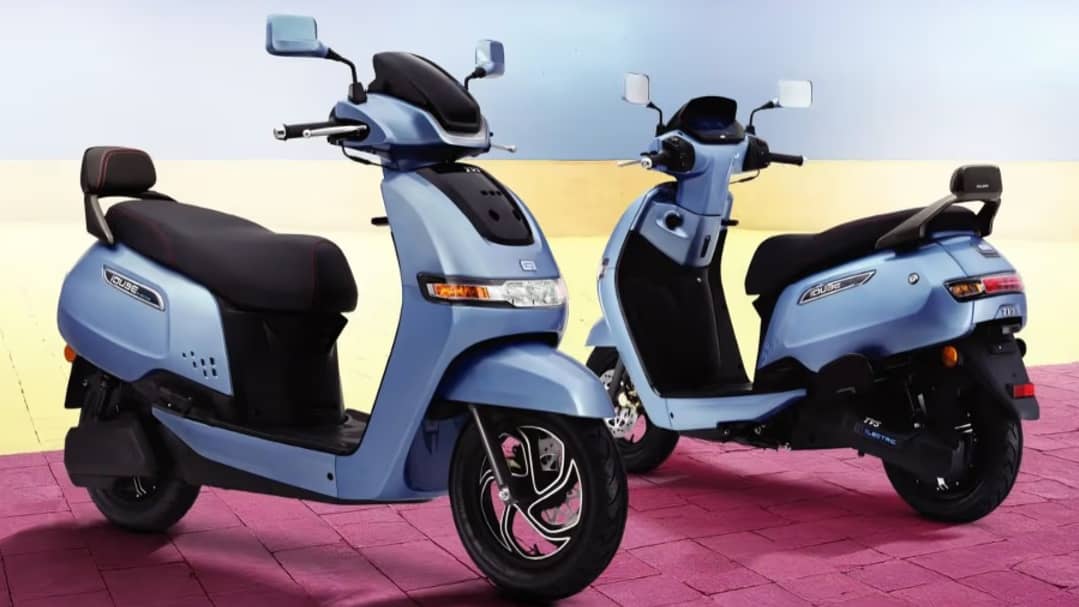
The TVS iQube is positioned as a premium electric scooter offering in the company’s lineup. It is designed for users who prioritize advanced features, longer range, and a more refined riding experience. The scooter typically comes with a modern digital interface, connected features, and improved comfort focused design. It is targeted at urban commuters who are willing to invest in a higher specification electric vehicle for daily use as well as longer city rides.
On the other hand, the TVS Orbiter is expected to cater to budget focused buyers who are looking for an affordable entry point into electric mobility. While it may offer fewer advanced features compared to the iQube, it focuses on essential performance, practicality, and cost effectiveness. This makes it suitable for first time EV buyers or those who primarily require a simple and efficient vehicle for short distance commuting.
One of the key differences between the two models lies in their positioning within the market. The iQube represents TVS’s effort to compete in the premium electric scooter segment, where features such as smart connectivity, riding modes, and enhanced battery performance play an important role. The Orbiter, in contrast, is expected to focus on affordability and ease of ownership, which is a crucial factor in India’s price sensitive two wheeler market.
Range and performance are also key considerations for buyers comparing the two models. Premium electric scooters like the iQube generally offer higher battery capacity and improved riding range, making them suitable for users with longer daily commutes. Budget models like the Orbiter are likely to focus on delivering sufficient range for city usage while keeping overall costs lower.
Charging infrastructure and running costs remain important advantages for both models. Like most electric scooters, both the iQube and Orbiter benefit from lower running costs compared to petrol powered vehicles. With increasing adoption of EV charging networks in urban areas, convenience is also improving for users across different segments.
Industry analysts note that TVS’s strategy reflects the growing diversity in India’s electric scooter market. Consumers now have access to multiple options depending on their budget, feature expectations, and daily usage patterns. This segmentation allows manufacturers to target a wider audience while accelerating EV adoption in the country.
For buyers deciding between the two, the choice largely depends on priorities. Those seeking advanced technology, better features, and a more premium experience may prefer the iQube. Meanwhile, those looking for an affordable and practical electric scooter for everyday commuting may find the Orbiter more suitable.
As competition in the electric two wheeler market intensifies, TVS is expected to continue expanding its EV portfolio with more models across different price segments. The growing focus on sustainability, fuel cost savings, and government support for electric mobility is further driving demand for both premium and budget electric scooters in India.