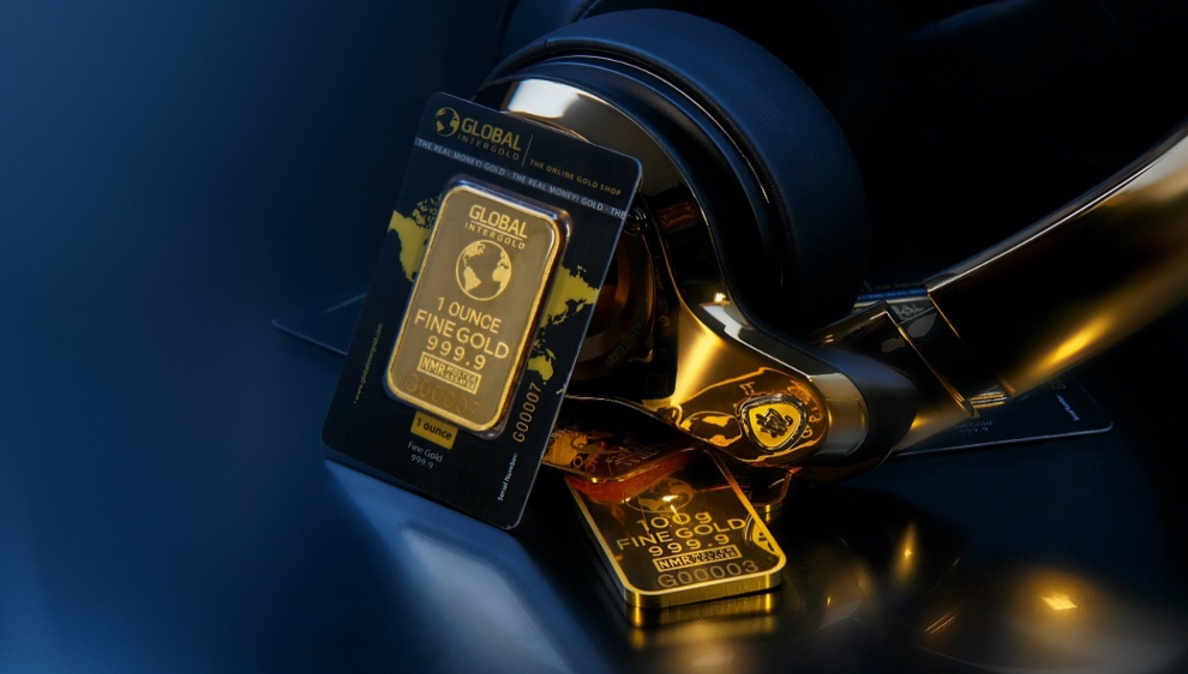
Gold prices in India remained under pressure on August 28, 2026, following a sharp decline in the international bullion market. The fall was driven mainly by a stronger US dollar, profit booking and renewed expectations that the US Federal Reserve could maintain or increase interest rates.
International spot gold declined by more than 3 percent on Friday after comments from US Federal Reserve Chairman Kevin Warsh strengthened expectations of tighter monetary policy. Spot gold fell to around 4,567 dollars per ounce, while US gold futures also declined.
Gold generally faces pressure when expectations of higher interest rates increase because the precious metal does not provide regular interest income. When bond yields and interest rates become more attractive, some investors may shift funds away from non-yielding assets such as gold.
The stronger US dollar also affected the precious metal. Gold is traded internationally in dollars, meaning a stronger US currency can make gold more expensive for buyers using other currencies. This can reduce demand and put additional pressure on international prices.
The decline also reflected profit booking by investors after the recent rise in gold prices. When prices move sharply higher over a short period, traders may sell part of their holdings to lock in gains. This selling pressure can contribute to short term declines.
According to market reports, Indian gold prices also came under pressure during the session. One report said gold prices had declined for the third consecutive session, with the fall attributed to dollar strength and profit booking.
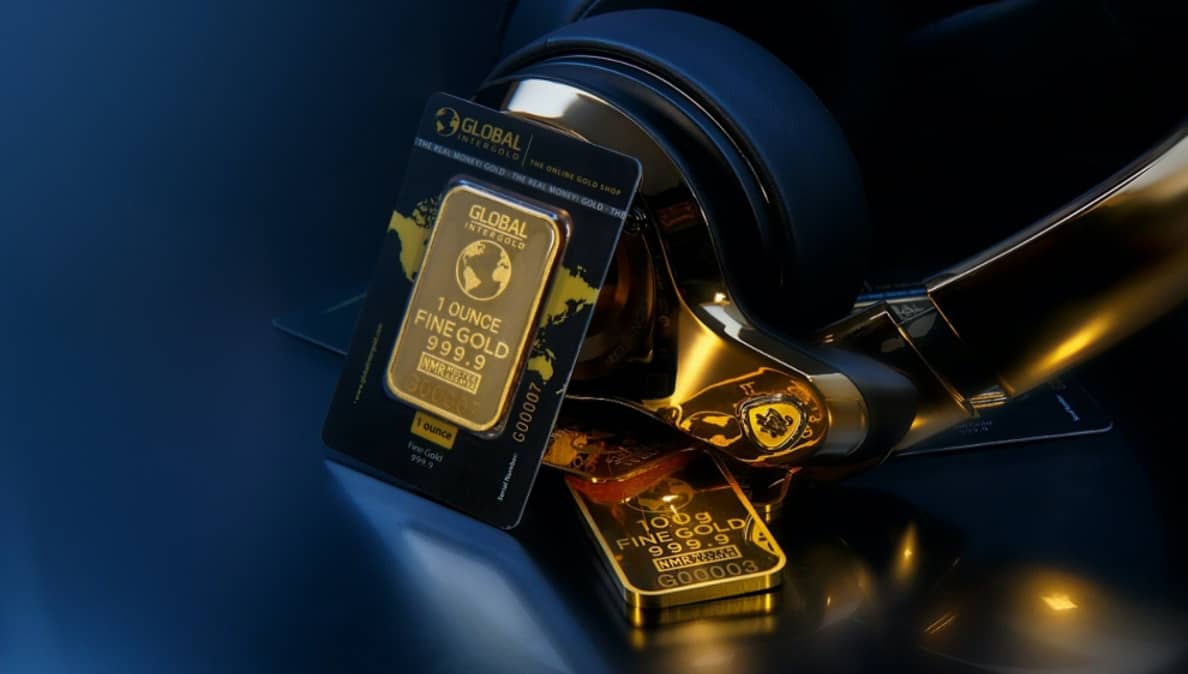
Gold rates in India vary depending on purity. The most commonly quoted categories are 24K, 22K and 18K gold.
24K gold represents the highest commonly traded purity and is generally associated with investment and bullion purchases. 22K gold is widely used for jewellery because it combines high gold content with greater durability. 18K gold contains a lower proportion of pure gold and is commonly used for certain jewellery designs.
City-wise prices can differ because of transportation costs, local taxes, dealer margins, demand conditions and other market factors. Jewellery retailers can also quote different rates depending on their pricing policies.
On August 28, reports showed significant differences in gold prices across major Indian cities. Market quotations indicated that 24K gold was trading at levels above Rs 1.60 lakh per 10 grams in several major markets. A report from West Bengal, for example, put 24K gold in Delhi at around Rs 1,63,120 per 10 grams, while Kolkata and Mumbai were around Rs 1,62,970.
The same report showed differences in 18K gold prices, with Chennai among the cities recording a relatively higher quoted rate. Such differences demonstrate why customers should check the rate applicable at their local jewellery store before making a purchase.
The price displayed for gold itself is not necessarily the final amount a jewellery customer will pay.
When purchasing ornaments, buyers generally have to account for the gold value, making charges, applicable taxes and other charges. GST is also applicable to eligible jewellery transactions. Therefore, the final invoice can be significantly different from the headline gold rate reported for a city.
Another important factor is the timing of the price. Gold rates can change during the day depending on international market movements, currency fluctuations and domestic demand. In Chennai, for example, reports on August 28 showed that the morning price moved lower before rising again later in the day.
This means that customers planning to purchase jewellery should confirm the latest rate with the jeweller before completing the transaction.
The recent decline does not necessarily indicate a long term reversal in gold prices. The precious metal continues to be influenced by several major global factors, including US monetary policy, inflation expectations, geopolitical developments, central bank purchases, bond yields and currency movements.
Interest rate expectations are currently one of the major factors being watched by investors. Following recent comments from the US Federal Reserve, market participants increased their expectations of a possible rate hike. According to Reuters, the probability of a September rate hike increased significantly after the comments, putting additional pressure on gold.
At the same time, gold continues to attract investors because it is traditionally viewed as a store of value and a safe haven during periods of economic and geopolitical uncertainty.
The domestic market is also influenced by the Indian rupee. A weaker rupee can make imported gold more expensive in India, while a stronger rupee can reduce some of the impact of international price movements.
Demand from the jewellery sector is another important factor. Festival periods can influence physical gold purchases, although retail demand may respond differently to sudden changes in international prices.
For consumers, the current fall may appear attractive, particularly for those who were waiting for a correction before purchasing jewellery. However, buyers should avoid making decisions solely based on a single day's movement.
Gold prices can move in either direction depending on global economic developments. A change in US interest rate expectations, movements in the dollar, geopolitical developments or fresh investor demand can quickly alter market sentiment.
Consumers should also compare prices between multiple jewellery stores. The quoted gold rate, making charges, wastage charges and other components of the final bill can differ between retailers.
Those purchasing jewellery should also verify the purity and hallmarking details before completing the transaction.
Investment buyers may have different considerations from jewellery buyers. Investors generally focus on the international gold price, domestic bullion rates, currency movements and market trends. Jewellery buyers, meanwhile, must also consider making charges and resale factors.
The current decline therefore provides an opportunity for consumers to review prices, but it does not guarantee that gold will continue falling.
The August 28 decline followed several sessions of weakness in the market. Reports also indicated that Indian gold prices had fallen by several thousand rupees per 10 grams over a short period as investors monitored developments surrounding US monetary policy.
The broader precious metals market was also affected. Silver prices declined alongside gold in international markets, reflecting the wider pressure on precious metals.
For Indian consumers, the key takeaway is that gold prices remain highly sensitive to global economic signals. The movement of the US dollar and expectations surrounding Federal Reserve policy are currently among the most important factors influencing international gold prices.
Gold rates in Delhi, Mumbai, Kolkata, Chennai, Lucknow and other cities can therefore change as market conditions evolve.
Customers should treat published city-wise rates as indicative rather than as a guaranteed final purchase price. The actual jewellery bill depends on the retailer, purity, weight, making charges, GST and other applicable costs.
The August 28 decline marks another important movement in the gold market after a period of elevated prices. Whether the correction continues will depend largely on upcoming US economic data, Federal Reserve policy expectations, currency movements and investor demand.
For people planning to buy gold, checking the latest rate shortly before purchase is advisable. Comparing the total cost rather than only the quoted price per gram can also help consumers make a more informed decision.
The gold market remains closely watched by both investors and jewellery buyers. With international prices responding to changes in interest rate expectations and the dollar, further volatility could be seen in the coming sessions.
For now, the August 28 market showed a clear decline in gold prices, providing some relief to buyers after the recent period of high prices. However, the direction of gold prices in the coming days will depend on global economic developments and domestic market conditions.