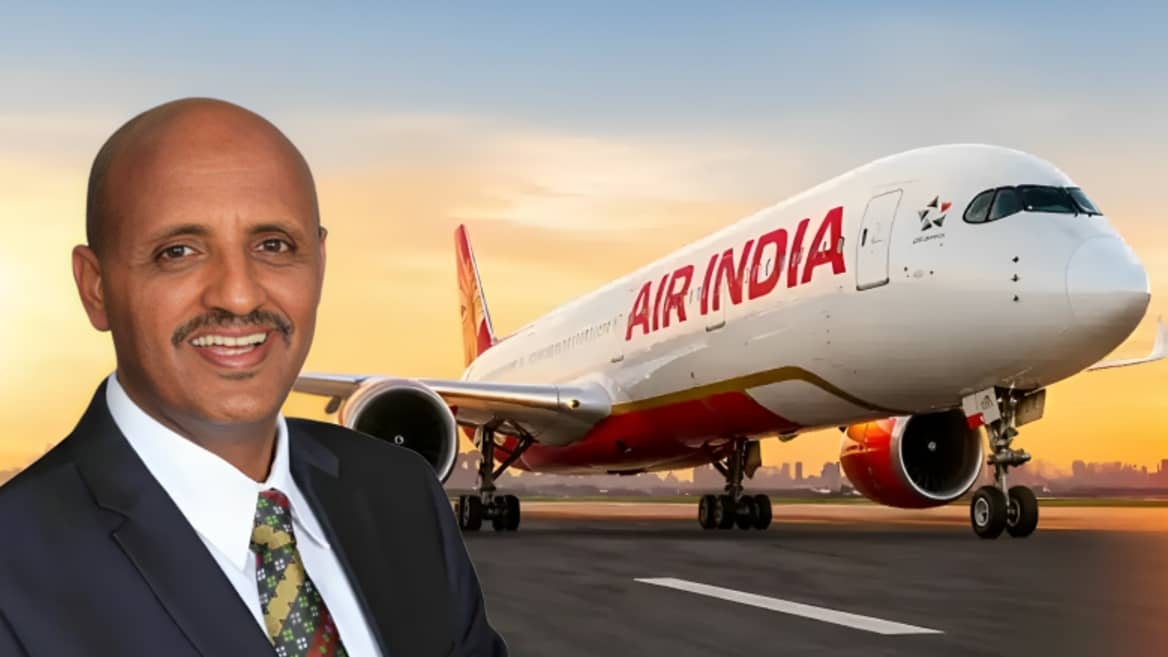
Air India has outlined an ambitious strategy to strengthen its international operations and regain its share of overseas passenger traffic. The airline’s Chief Executive Officer and Managing Director, Tewolde Gebremariam, said the carrier plans to restructure its international network, improve operational efficiency, reduce costs and expand its wide-body aircraft fleet as part of its long-term growth strategy.
Speaking at the Aviation India and South Asia 2026 conference in New Delhi on November 3, Gebremariam said Air India had not been performing to its full potential in the international aviation market. He indicated that the airline intends to change this by making better use of its network, fleet and growth opportunities.
Bengaluru may become Air India's third hub
One of the key proposals under consideration is developing Bengaluru as an additional international aviation hub. Air India currently operates major hubs in Delhi and Mumbai. Adding Bengaluru to this network could strengthen connectivity between India and international destinations.
Gebremariam also highlighted the possibility of India developing multiple international aviation gateways. In addition to Delhi, Mumbai and Bengaluru, he identified Hyderabad as another city with potential to support the country's international aviation ambitions.
He said India has the geographical advantages and growing passenger demand required to become a major global aviation hub. With suitable infrastructure, expanded airline networks and improved services, Indian airports could compete more effectively with established international transit hubs, including those in the Gulf region.
Airline considers expanding wide-body aircraft fleet
Increasing the number of wide-body aircraft is another important part of Air India's strategy. These aircraft are particularly important for long-distance international routes because they can carry more passengers and operate on long-haul sectors.
Gebremariam said the airline wants to increase its wide-body aircraft orders as it looks to expand international passenger traffic. Air India has reportedly held discussions with aircraft manufacturers Boeing and Airbus while evaluating its future fleet requirements.
The airline also faces challenges from operating older wide-body aircraft, which can involve higher operating costs and lower fuel efficiency. Newer aircraft could help improve operational performance, connect additional international destinations and strengthen the airline's competitiveness.
A larger and more efficient long-haul fleet would be important for Air India's plans to increase its presence in overseas markets.
Cost reduction and profitability remain priorities
Although Air India is focusing on international expansion, improving its financial performance remains a major priority. The airline has been facing operating-cost pressures and other challenges as it continues its transformation under Tata Group ownership.
Gebremariam said the airline must improve efficiency and reduce costs across its operations. He has emphasised that profitability is a key objective and expressed urgency about returning the airline to a profitable position.
The CEO also highlighted the importance of managing costs while pursuing growth. Expanding routes and adding aircraft will require careful planning to ensure that the airline's investments generate sustainable returns.
Air India is therefore expected to focus on improving revenue, optimising its network and making more efficient use of its aircraft and other resources.
Pakistan airspace restrictions add to challenges
Air India's international operations have also been affected by geopolitical developments, particularly restrictions on the use of Pakistani airspace by Indian carriers. Such restrictions can affect flight routes, journey times, fuel consumption and operating expenses on certain international sectors.
The airline is working to strengthen its network and fleet while dealing with these external challenges. Its wider transformation programme includes aircraft upgrades, cabin improvements, network expansion and investments in operational infrastructure.
Air India returned to Tata Group ownership in 2022 and has since been pursuing a major transformation programme to improve its services and international competitiveness. The airline's next phase will focus on translating those investments into stronger operations and sustainable growth.
Gebremariam's strategy signals that Air India intends to compete more strongly in the international aviation market. The success of the plan will depend on fleet expansion, efficient hub operations, improved passenger connectivity and the airline's ability to control costs while returning to profitability.