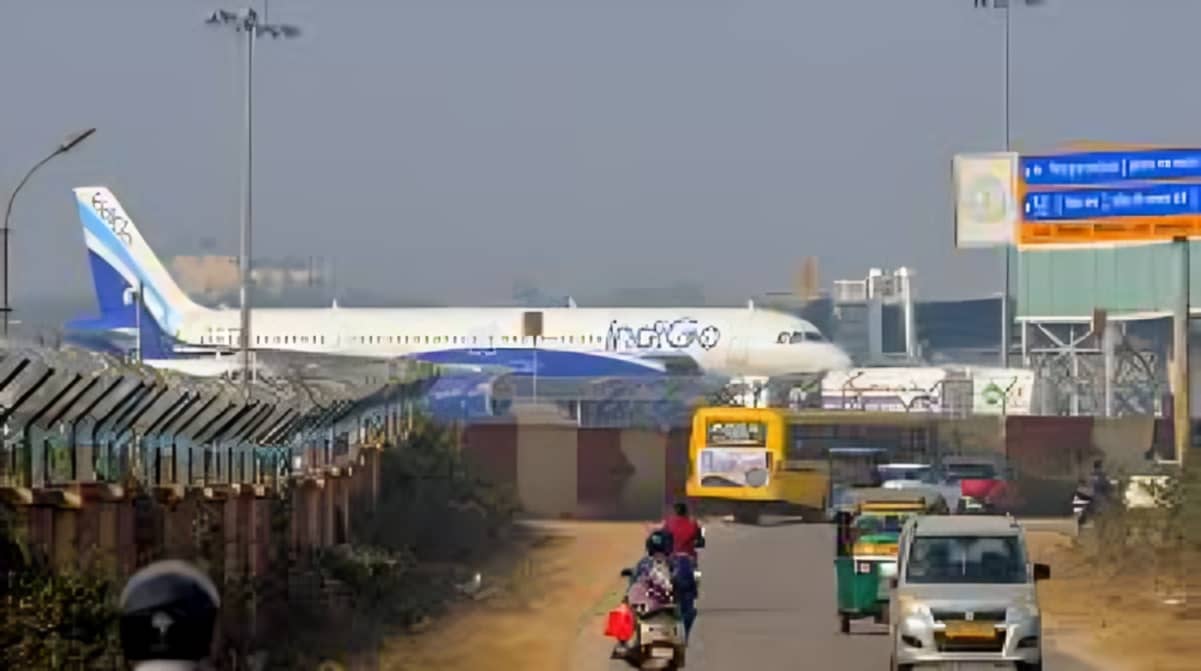
Air India and IndiGo are reportedly preparing to reduce certain domestic flight operations from June 1 for a temporary period of three months as rising Aviation Turbine Fuel prices continue to impact the aviation sector. The move is being viewed as a response to increasing operational costs faced by airlines amid volatile global energy markets.
According to industry reports, both airlines are expected to rationalize select domestic routes and adjust flight frequencies in order to manage expenses linked to higher fuel prices. Aviation Turbine Fuel, commonly known as ATF, is one of the largest operational expenses for airlines and significantly affects overall profitability.
Experts explained that fluctuations in global crude oil prices directly influence ATF costs in India. Recent geopolitical tensions and instability in international energy markets have contributed to rising fuel prices, creating financial pressure for aviation companies operating large domestic and international networks.
The reported reduction in domestic services is expected to begin from June 1 and continue for approximately three months. Analysts believe airlines may focus on optimizing operations by prioritizing high-demand routes while temporarily reducing services on sectors with lower passenger loads.
The Indian aviation industry has witnessed strong passenger growth in recent years, with domestic air travel demand recovering significantly after earlier disruptions. However, increasing operational expenses, including fuel costs, airport charges, maintenance expenses, and currency fluctuations, continue to remain major challenges for airlines.
Industry experts noted that fuel expenses can account for a substantial percentage of an airline’s operating costs. When ATF prices rise sharply, airlines are often forced to either increase ticket prices, reduce operational capacity, or absorb financial losses.
Passengers may experience changes in flight schedules, reduced frequency on certain routes, and possible fare adjustments during the temporary reduction period. Travel industry observers stated that demand during holidays and peak travel seasons could also influence how airlines manage their route networks in the coming months.
Both Air India and IndiGo are among the largest aviation operators in India and play a major role in connecting metropolitan cities, regional destinations, and tier-two markets across the country. Any operational changes by these carriers are likely to impact a large number of travelers.
Aviation analysts also pointed out that airlines globally are facing similar pressures due to rising fuel prices and geopolitical uncertainty. Several international carriers have already revised flight operations, route planning, and capacity management strategies to control costs.
The Indian aviation sector remains highly competitive, with airlines constantly balancing affordability, operational efficiency, and market expansion. Maintaining profitability becomes more challenging during periods of rising fuel costs and fluctuating currency exchange rates.
Travel experts advised passengers to monitor flight schedules and booking updates regularly while planning journeys during the upcoming months. Early ticket booking and flexible travel planning may help passengers manage possible fare increases or schedule adjustments.
Meanwhile, industry representatives continue to call for measures that could help reduce operational burdens on airlines, including potential tax revisions on aviation fuel and supportive policy interventions.
Despite short-term operational adjustments, analysts believe domestic air travel demand in India is expected to remain strong due to increasing connectivity, economic growth, and rising passenger preference for air transportation.
As fuel price trends and global market conditions continue to evolve, airlines are expected to closely monitor costs and operational strategies in order to maintain stability within the aviation sector.