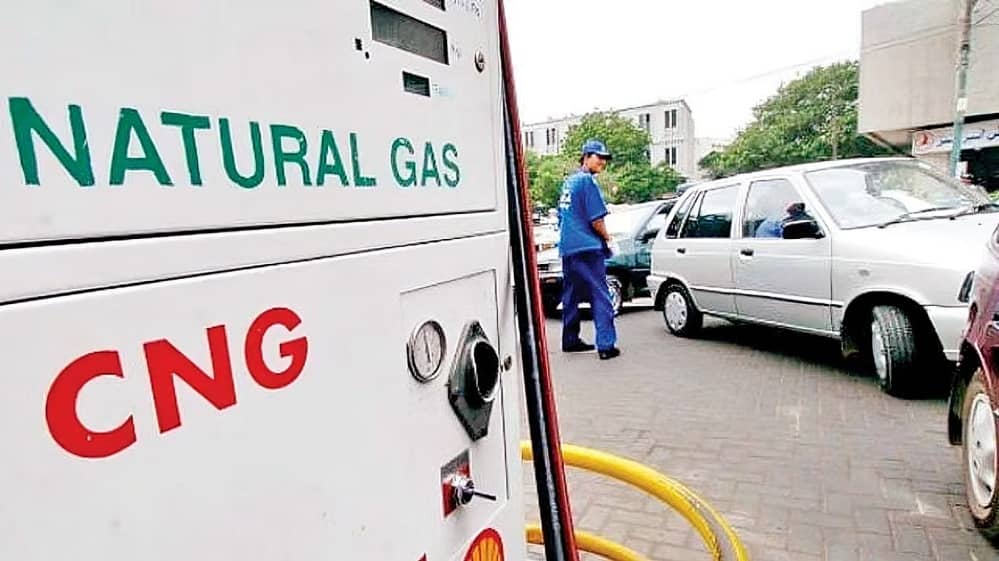

Compressed Natural Gas, commonly known as CNG, has become costlier in major Indian cities after authorities announced a price increase of Rs 2 per kilogram in Delhi and Mumbai. The latest revision comes shortly after recent hikes in petrol and diesel prices and amid growing concerns over global energy supply disruptions caused by geopolitical tensions in West Asia.
Reports suggest that instability in key global oil and gas supply routes, including concerns linked to the Strait of Hormuz region, has contributed to volatility in international energy markets. India, which imports a large share of its energy requirements, often experiences the impact of such fluctuations through rising fuel costs and increased transportation expenses.
The increase in CNG prices is expected to affect multiple sectors, particularly public transportation services and commercial vehicle operators who rely heavily on compressed natural gas as a relatively economical fuel option. In cities such as Delhi and Mumbai, thousands of autorickshaws, taxis, buses, and delivery vehicles operate on CNG.
Following the latest hike, autorickshaw unions in Mumbai have reportedly demanded a revision in passenger fares. Union representatives argue that repeated increases in fuel prices have significantly raised operational costs for drivers and transport operators. They have stated that without fare adjustments, many drivers may struggle to manage daily expenses and vehicle maintenance costs.
Public transport experts note that CNG has long been promoted as a cleaner and more affordable alternative to petrol and diesel. However, recent increases in global energy prices have reduced some of the cost advantages associated with natural gas based transportation.
Economists warn that continued increases in fuel prices can have wider economic consequences beyond the transport sector. Higher fuel costs often lead to increased logistics and supply chain expenses, which may eventually affect the prices of essential goods and services. Transportation expenses are closely linked to inflation because they influence the movement of food products, industrial materials, and consumer goods across the country.
Energy market analysts believe geopolitical tensions in West Asia remain a major factor behind the recent volatility in crude oil and gas markets. The Strait of Hormuz is one of the world’s most important maritime routes for energy transportation, and any disruption in the region can affect global supply chains and fuel pricing.
The Central government has previously stated that international market conditions and global crude oil prices play a significant role in domestic fuel pricing decisions. Officials have also emphasised the need to maintain stable energy supplies despite fluctuations in global markets.
Consumers and transport operators in several cities have expressed concern over the increasing cost of fuel and transportation. Industry observers say sustained increases in fuel prices could place additional financial pressure on middle class families, businesses, and small transport operators.
As energy markets continue to face uncertainty, experts suggest that governments and energy companies may need to focus on long term strategies such as renewable energy expansion, alternative fuels, and energy diversification to reduce dependence on volatile global fuel markets.
The latest CNG price hike is expected to remain an important topic of discussion among transport unions, policymakers, and consumers in the coming weeks.