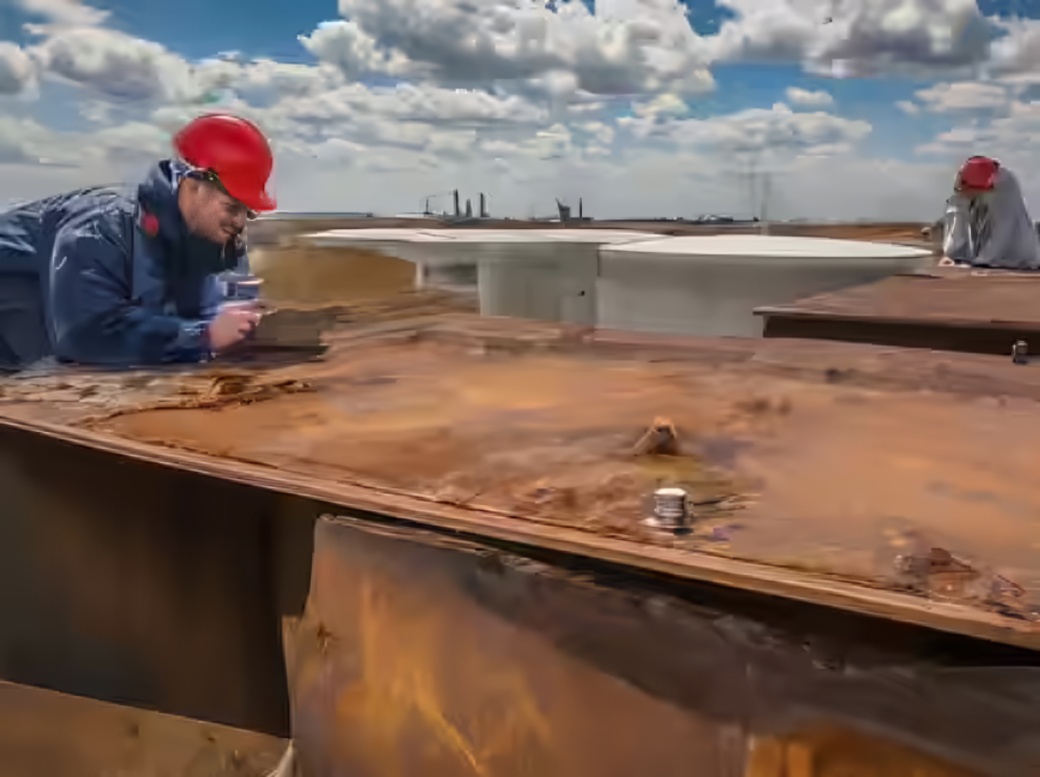
Corrosion continues to impose a significant economic burden on India, with annual losses estimated at Rs 14 lakh crore, equivalent to approximately 4.3 percent of the country's Gross Domestic Product (GDP), according to a recent report. The findings highlight the urgent need for improved corrosion prevention measures across critical industries and public infrastructure.
The report identifies the power generation and transmission sector as the most severely affected by corrosion-related damage. Electrical equipment, transmission towers, substations and power plants are continuously exposed to environmental conditions such as moisture, heat, chemicals and pollution, all of which accelerate the deterioration of metal components. Corrosion can reduce operational efficiency, increase maintenance costs and contribute to unexpected equipment failures.
Following the power sector, the telecommunications industry also experiences substantial losses due to corrosion. Communication towers, cables, antennas and electronic equipment installed in outdoor environments are vulnerable to rust and material degradation. Frequent maintenance and equipment replacement increase operational expenses for telecom service providers.
The automotive sector is another major area impacted by corrosion. Vehicle components exposed to humidity, rain, coastal environments and road contaminants can deteriorate over time, affecting safety, durability and resale value. Manufacturers continue to invest in corrosion-resistant materials, protective coatings and improved engineering techniques to extend vehicle life and reduce maintenance requirements.
India's expanding infrastructure sector, including bridges, highways, ports, airports and public buildings, also faces significant challenges from corrosion. Metal reinforcement bars used in concrete structures can corrode due to moisture penetration, reducing structural strength and increasing repair costs. Preventive maintenance and regular inspections are considered essential to ensure the long-term safety and reliability of public infrastructure.
The railway sector has also been identified as one of the industries most affected by corrosion. Railway tracks, bridges, signalling equipment, coaches and freight wagons are exposed to varying climatic conditions throughout the country. Effective corrosion management helps improve passenger safety, operational efficiency and asset longevity while reducing maintenance expenditure.
Experts note that corrosion is a gradual but persistent process that can often remain unnoticed until considerable damage has already occurred. As a result, industries are increasingly adopting advanced monitoring systems, corrosion-resistant alloys, protective coatings and predictive maintenance technologies to minimize long-term losses.
The report emphasizes that investing in preventive maintenance is often more cost-effective than replacing damaged infrastructure or equipment after corrosion has progressed. Regular inspections, timely repairs and the use of modern protective technologies can significantly reduce economic losses while improving operational reliability.
Government agencies and industrial organizations have also been encouraging greater adoption of international standards for corrosion control, particularly in sectors that support critical national infrastructure. Improved engineering practices, research into advanced materials and greater awareness among industry stakeholders are expected to strengthen corrosion management across the country.
As India continues to expand its industrial base and infrastructure network, effective corrosion prevention will become increasingly important for sustaining economic growth. Reducing corrosion-related losses can improve productivity, lower maintenance costs, enhance public safety and extend the service life of valuable national assets.
The report concludes that proactive corrosion management is not only an engineering necessity but also an important economic strategy that can help improve efficiency and support India's long-term development goals.