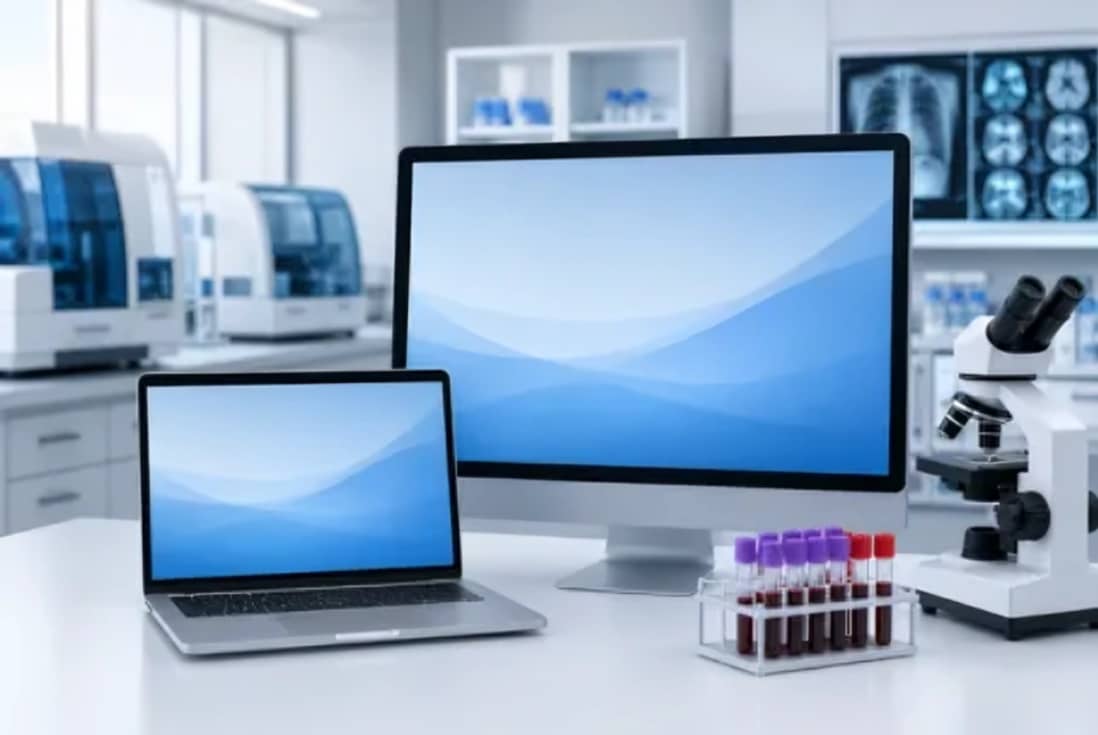
The diagnostics industry is undergoing significant technological changes as artificial intelligence, automation, digital platforms and advanced testing methods become increasingly integrated into healthcare. Against this backdrop, diagnostics experts have highlighted the need for the industry to maintain a balance between affordability, accuracy, speed and sustainability.
The four priorities are becoming increasingly important as healthcare systems seek to improve diagnostic services while managing costs and maintaining quality. While technological developments can potentially make testing faster and more efficient, experts have emphasised that innovation should continue to support accessible and reliable healthcare.
Diagnostics play an important role in the healthcare system because laboratory and imaging tests help doctors identify diseases, monitor health conditions and make treatment decisions. The quality and speed of diagnostic information can therefore influence subsequent clinical decisions.
Artificial intelligence is emerging as one of the major technologies changing the diagnostics sector. AI based systems can assist with the analysis of medical images, laboratory data and other clinical information. Depending on the application and validation of a particular system, these technologies may help healthcare professionals identify patterns and process large volumes of information more efficiently.
However, the increasing use of AI also makes accuracy and validation important considerations. Diagnostic technologies need to be evaluated carefully before they are incorporated into routine clinical workflows. Healthcare professionals also need appropriate oversight to ensure that technology supports rather than replaces clinical judgement.
Affordability remains another important issue. Advanced diagnostic technologies can require substantial investments in equipment, software, infrastructure and trained personnel. If these costs are passed on to patients, access to advanced testing could become difficult for sections of the population.
Industry experts have therefore stressed the importance of developing diagnostic solutions that can be deployed across different levels of the healthcare system. Technologies need to be practical not only for large hospitals and urban centres but also for diagnostic laboratories and healthcare facilities serving smaller cities and rural communities.
Speed is also becoming increasingly important in diagnostics. Faster testing and reporting can help reduce waiting times and potentially allow clinicians to make treatment decisions sooner. Digital laboratory systems, automation and improved workflows can contribute to faster processing when implemented appropriately.
At the same time, speed cannot come at the expense of accuracy. Diagnostic results need to meet established quality requirements, and laboratories must maintain appropriate processes for sample collection, testing, validation and reporting.
The growing adoption of automation is another important development in the industry. Automated laboratory systems can handle repetitive processes and potentially reduce manual workload. They can also support standardisation in laboratories when properly implemented and monitored.
Digital technologies are also changing how diagnostic reports and information are delivered. Electronic reports, digital health platforms and connected healthcare systems can make it easier for authorised healthcare professionals and patients to access diagnostic information.
Data management and privacy are consequently becoming increasingly important. Diagnostic services generate sensitive health information, and organisations using digital systems need appropriate safeguards to protect patient data.
Sustainability is another issue receiving greater attention across the diagnostics sector. Laboratories can consume significant amounts of electricity, water and other resources, while diagnostic operations also generate biomedical and other forms of waste.
As healthcare organisations seek to reduce their environmental impact, laboratories may increasingly look at energy efficient equipment, responsible waste management, resource conservation and more sustainable procurement practices.
Sustainability, however, needs to be considered alongside patient safety and diagnostic quality. Any changes to equipment, materials or processes must continue to meet the technical and clinical requirements of diagnostic testing.
The industry's focus on sustainability is also connected to the broader healthcare sector's efforts to reduce its environmental footprint. Healthcare providers and diagnostic companies are examining ways to improve resource efficiency without affecting the quality of patient services.
The combination of AI and other advanced technologies could also change the role of diagnostic professionals. Rather than replacing laboratory and medical expertise, technology can increasingly be used to support professionals by automating routine activities and assisting with complex analysis.
Training will therefore remain important as new technologies enter diagnostic laboratories and healthcare facilities. Professionals may need additional skills in digital systems, data interpretation, AI assisted workflows and quality management.
Regulation and quality assurance will also be important as diagnostic technology evolves. New systems need appropriate validation, monitoring and quality controls to ensure that they provide reliable results in real world settings.
Another area of focus is interoperability. Healthcare systems often use multiple digital platforms, laboratory information systems and electronic health record systems. The ability of these systems to exchange information accurately can improve continuity of care and reduce duplication.
Diagnostics experts are also looking at the role of point of care testing. Tests that can be performed closer to patients may reduce the time between sample collection and availability of results. Such systems can be particularly relevant in settings where access to central laboratories is limited.
However, point of care technologies also require appropriate quality control, training and oversight. Their convenience does not remove the need for reliable testing procedures and accurate interpretation.
The diagnostics industry is therefore entering a period in which technological innovation and operational efficiency are developing alongside growing expectations around affordability and sustainability.
AI and automation may provide opportunities to improve diagnostic workflows, but their benefits will depend on how effectively they are implemented. Technology alone cannot address every challenge faced by healthcare systems.
A balanced approach requires stakeholders to consider the entire diagnostic pathway, from sample collection and testing to result interpretation, reporting and clinical use. Cost, accuracy, turnaround time, patient access, workforce requirements and environmental impact all need to be considered.
For patients, the ultimate objective remains access to reliable diagnostic information that can support appropriate healthcare decisions. For providers and laboratories, the challenge is to introduce new technologies while maintaining quality and keeping services accessible.
As the diagnostics sector continues to evolve, industry experts are expected to place greater emphasis on technologies that can combine efficiency with clinical reliability. The balance between affordability, accuracy, speed and sustainability is likely to remain an important consideration as healthcare systems adopt AI and other advanced diagnostic tools.
The developments also highlight the need for cooperation among diagnostic companies, healthcare providers, technology firms, regulators and medical professionals. Such collaboration can help ensure that technological advances are translated into practical healthcare solutions while maintaining appropriate standards for patient safety and quality.
Ultimately, the future of diagnostics is likely to involve a combination of human expertise and technology. AI, automation and digital systems can support healthcare professionals, while laboratory expertise, clinical judgement and quality assurance remain essential components of the diagnostic process.