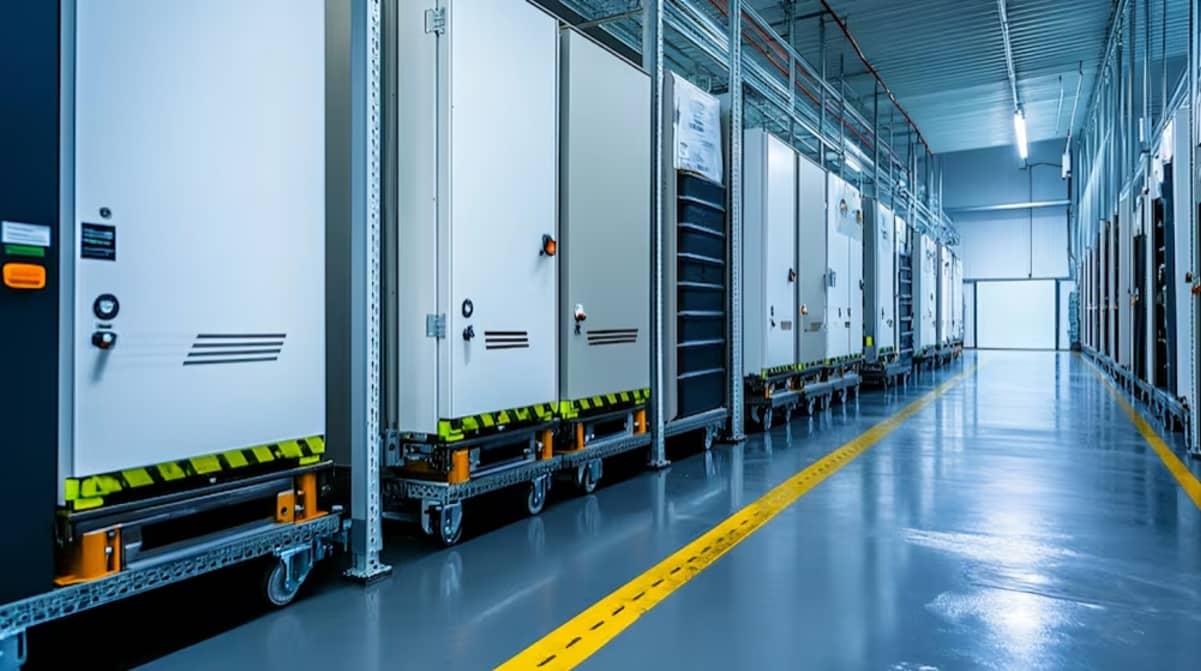
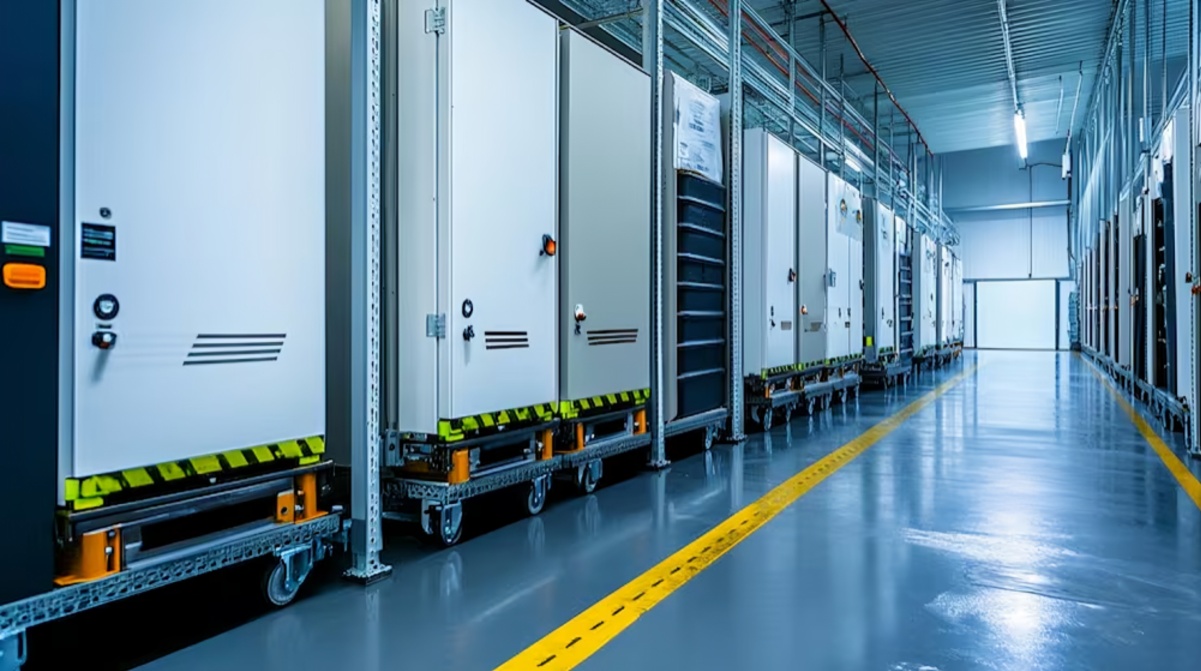
India's rapidly expanding quick commerce sector is bringing greater attention to cold chain management as platforms increase their range of dairy products, frozen foods, ice creams, chilled products and other temperature sensitive items.
Quick commerce dark stores are designed primarily for rapid order fulfilment. Unlike conventional retail outlets, these facilities operate as compact micro fulfilment centres where products are stored, picked and dispatched to customers within a short period. As the share of temperature sensitive products increases, industry experts say refrigeration, segregation and temperature monitoring need to remain important parts of dark store operations.
The issue has gained additional attention following recent food safety inspections of quick commerce facilities. Authorities in several states have reported concerns involving hygiene, storage practices and temperature control, increasing scrutiny of how food products are handled inside dark stores.
A Business Standard report in September said the All India Consumer Products Distributors Federation had sought mandatory storage standards for quick commerce dark stores. The organisation called for norms covering areas such as ventilation, sanitation, temperature control and segregation of food products.
The demand comes as dark stores increasingly carry a combination of ambient, chilled and frozen products in relatively compact spaces. Maintaining different storage conditions within the same facility requires appropriate equipment, layout and operating procedures.
Dairy products, for example, generally require controlled chilled conditions, while frozen foods require substantially lower temperatures. Products should therefore be stored according to their specific requirements rather than being treated as a single category.
The cold chain does not begin and end with refrigeration equipment inside a dark store. Temperature controlled logistics can involve multiple stages, including transportation from manufacturers or distributors, receiving at the facility, storage, picking, packing and last mile delivery.
Industry experts have therefore emphasised the importance of maintaining temperature control throughout the supply chain. A temperature sensitive product can be exposed to unsuitable conditions during any stage of its movement, potentially affecting quality and shelf life.
Quick commerce has increased access to chilled and frozen products in Indian cities. A Hindustan Times report citing industry analysis said quick commerce has contributed to the expansion of chilled and frozen food categories. It also noted that many dark stores remain primarily ambient facilities, with a smaller portion of their inventory requiring cold storage.
This operating model means that companies need to determine which products require dedicated refrigeration and how much cold storage capacity is necessary at individual locations.
As the number of temperature sensitive products grows, dark stores may need additional refrigeration capacity and more clearly defined temperature zones. The infrastructure has to accommodate products with different storage requirements without compromising accessibility and order processing speed.
Temperature monitoring is another important component. Refrigeration equipment alone does not guarantee that the required temperature is maintained continuously. Monitoring systems can provide information about storage conditions and help operators identify deviations.
Industry discussions around intelligent refrigeration have increasingly focused on real time monitoring, automated alerts and data based cold chain management. Such systems can allow operators to identify potential temperature problems before affected products are dispatched.
Frequent opening of refrigerator and freezer doors is another operational consideration. Dark stores process a large number of orders and workers may repeatedly access cold storage areas throughout the day. Without suitable refrigeration design and monitoring, repeated access can make maintaining consistent conditions more challenging.
The layout of the dark store is therefore important. Cold storage areas need to be positioned and managed in a way that supports efficient picking while reducing unnecessary exposure of temperature sensitive products to ambient conditions.
Product segregation also has a food safety dimension. Different categories need to be stored appropriately to reduce the risk of contamination and maintain product quality. Storage practices should also support stock rotation so that products approaching their expiry dates are identified and handled correctly.
Recent regulatory inspections have highlighted the importance of these basic controls. In Maharashtra, food safety authorities inspected dozens of facilities linked to major quick commerce companies in August and reported issues including expired products, pest-related concerns and cold rooms operating above required temperatures. Licences were suspended in some cases.
More recently, Telangana authorities suspended licences associated with dark stores operated by Swiggy Instamart, Flipkart and Zepto following inspections that reported food safety violations including improper storage practices and other hygiene concerns.
These regulatory actions do not mean that all quick commerce dark stores have the same problems. However, they demonstrate why food safety controls and consistent compliance are becoming increasingly important as the sector expands.
The regulatory framework already includes requirements relating to food storage, hygiene, temperature control where applicable, pest management, documentation and traceability. A recent Mint report noted that dark stores handling food are subject to applicable FSSAI licensing and food safety requirements.
For quick commerce companies, the challenge is to implement these requirements consistently across a large network of small facilities.
Unlike a conventional supermarket, where customers enter the store and products are displayed across larger areas, a dark store is primarily designed for internal fulfilment operations. Workers receive inventory, store products, pick orders and hand them to delivery personnel within a short timeframe.
The pressure to process orders quickly can create operational challenges. Food safety procedures therefore need to be integrated into everyday workflows rather than treated as separate administrative requirements.
Quality checks at the store level can play an important role in this process. Platforms are increasingly examining dedicated quality control roles, internal audits, temperature monitoring systems and other mechanisms to improve compliance.
Cold chain investment is also likely to remain important as consumer demand changes. Quick commerce has expanded beyond basic grocery items and increasingly includes frozen snacks, ice creams, chilled beverages, dairy products and other products requiring controlled storage.
A growing frozen and chilled food category could create additional demand for urban cold storage and last mile temperature controlled logistics. Industry reports have also highlighted the need for investment in refrigerated transportation, cold storage facilities, retailer capabilities and last mile temperature management.
The last mile presents another challenge. Even when a product is stored at the correct temperature inside a dark store, maintaining suitable conditions during delivery requires appropriate packaging and handling practices.
Insulated packaging and temperature controlled delivery solutions can help reduce exposure to external temperatures. The effectiveness of these measures depends on factors such as product type, delivery duration, weather conditions and handling procedures.
This is particularly relevant during India's hotter months, when ambient temperatures can rise substantially. Cold chain companies have been increasing their focus on cooling technologies and last mile solutions to support the growing demand for temperature sensitive products.
Technology could play an increasingly important role in managing these operations. Sensors, Internet of Things based monitoring systems and automated alerts can provide operators with continuous information about temperature conditions.
Centralised monitoring can also allow companies to identify facilities where temperature deviations occur repeatedly. This may help operators investigate equipment performance, door opening patterns, maintenance requirements or other operational issues.
However, technology is only one part of cold chain management. Equipment maintenance, employee training, appropriate storage layouts, stock rotation and clear operating procedures are also necessary.
For consumers, the objective is straightforward: temperature sensitive products should reach them in appropriate condition. For retailers and quick commerce companies, achieving that objective requires coordination across procurement, transportation, storage, order fulfilment and delivery.
As quick commerce continues to expand its product range, the proportion of products requiring specialised handling could increase. This could make cold chain capability an increasingly important part of the industry's infrastructure.
The focus on dark store storage also comes at a time when regulators and industry groups are examining whether existing standards adequately address the operating model of rapid delivery businesses. Industry representatives have called for clearer infrastructure and storage requirements covering aspects such as space, ventilation, sanitation, temperature management and segregation.
For the sector, the next phase of growth may therefore involve not only expanding delivery networks but also strengthening the infrastructure supporting food quality and safety.
The central challenge is to maintain the speed associated with quick commerce without compromising the storage conditions required for temperature sensitive products. Proper refrigeration, appropriate segregation, continuous monitoring, staff training and regular quality checks can form important components of that process.
As consumer demand for chilled and frozen products continues to develop, investment in cold chain infrastructure is likely to remain an important consideration for quick commerce operators, food manufacturers and logistics companies.
The expansion of quick commerce has created new opportunities for food brands by giving them access to consumers across a wider urban network. Maintaining reliable temperature control at every stage will be important if the industry is to expand these categories while meeting applicable food safety and quality requirements.